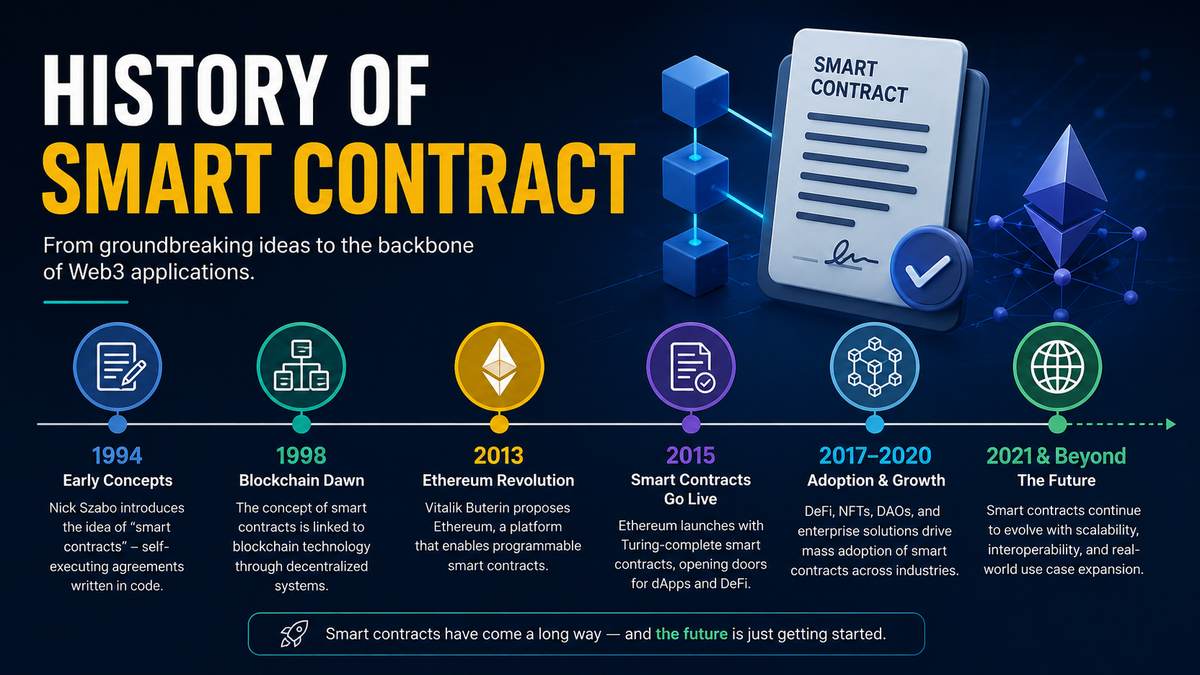
Децентрализованные финансы (DeFi) — это экосистема финансовых приложений, протоколов и сервисов, построенная на публичных блокчейн-сетях , которая позволяет пользователям кредитовать, брать взаймы, торговать, получать доход, приобретать страховые полисы и получать доступ к другим финансовым услугам, не полагаясь на традиционных посредников, таких как банки, брокерские компании или страховые фирмы. DeFi заменяет эти централизованные институты смарт-контрактами — самоисполняющимися программами в блокчейне, которые автоматически обеспечивают выполнение финансовых соглашений в соответствии с заранее определенными правилами.
Ключевое новшество DeFi — это компонуемость: любой протокол DeFi может взаимодействовать с любым другим протоколом без разрешения, создавая систему «денежного конструктора LEGO», где финансовые примитивы могут комбинироваться во все более сложные инструменты. Пользователь может внести ETH в качестве залога на Aave, взять в долг стейблкоины, предоставить эти стейблкоины в качестве ликвидности на Curve, разместить токены LP в стейкинге на Convex для получения дохода и использовать полученную позицию в качестве залога в другом месте — и все это через совместимые смарт-контракты, которые атомарно рассчитываются в блокчейне.
DeFi охватывает несколько основных категорий финансовых услуг. Протоколы кредитования и заимствования (Aave, Compound, MakerDAO/Sky) позволяют осуществлять криптокредитование с избыточным обеспечением. Децентрализованные биржи (Uniswap, Curve, dYdX) упрощают торговлю токенами через AMM и книги ордеров. Платформы для торговли деривативами (GMX, Synthetix, Hyperliquid) предоставляют возможности для торговли фьючерсами, опционами и синтетическими активами. Агрегаторы доходности (Yearn, Beefy) оптимизируют прибыль по всем протоколам. Протоколы стейблкоинов (DAI/USDS от Sky, Frax, Ethena) создают ценовые стабильные цифровые активы. Протоколы страхования (Nexus Mutual) обеспечивают защиту от сбоев смарт-контрактов.
Общий объем заблокированных средств (TVL) в DeFi оставался крайне волатильным на протяжении всего 2026 года. После восстановления до примерно 115 миллиардов долларов в январе 2026 года, TVL упал примерно на 39% в последующие месяцы, до 70-72 миллиардов долларов к середине года, что было вызвано более широкой коррекцией криптовалютного рынка и сложным периодом для безопасности протоколов: за год было зафиксировано более 100 взломов и убытки в размере около 940 миллионов долларов. Тем не менее, экосистема по-прежнему охватывает сотни протоколов на платформах Ethereum, Solana, Arbitrum, BSC и десятках других блокчейнов и генерирует существенный годовой доход, обслуживая миллионы пользователей по всему миру, от розничных криптоэнтузиастов до институциональных игроков, включая хедж-фонды, семейные офисы и традиционные финансовые учреждения, изучающие стратегии работы с блокчейном.
Как возникли и развивались DeFi?
2017 год: MakerDAO запускает Single-Collateral DAI, один из первых крупных протоколов DeFi. Пользователи могли блокировать ETH в качестве залога для создания стейблкоинов DAI, создав одну из первых децентрализованных систем кредитования на Ethereum.
2018 год: Запуск Uniswap V1, представляющего модель автоматизированного маркет-мейкера (AMM), которая стала основой децентрализованной торговли. Compound запускает свой протокол кредитования. Термин «DeFi» (децентрализованные финансы) был придуман в группе Telegram разработчиков, работающих над проектами в области открытых финансов, включая Индже Йео из Set Protocol и других.
2019 год: Экосистема DeFi выросла до более чем 500 миллионов долларов США в объеме TVL. Запущен многообеспеченный DAI. Synthetix представляет синтетические активы. Instadapp и DeFi Saver запущены как платформы для управления DeFi.
2020 год, июнь-сентябрь, «Лето DeFi»: Compound запускает свой токен управления COMP, распределяемый среди пользователей протокола, что запускает феномен «фермерства доходности». Общий объем средств в DeFi вырос с примерно 1 миллиарда долларов до 11 миллиардов долларов за три месяца. Запускаются Uniswap V2, SushiSwap (и его «вампирская атака» на ликвидность Uniswap), Yearn Finance (с его справедливым запуском YFI без предварительной добычи) и Aave V2. Начинаются «войны Curve», поскольку протоколы конкурируют за эмиссию CRV.
2021 год: Объем транзакций в DeFi приближается к своему историческому максимуму, достигнув пика примерно в 177 миллиардов долларов в ноябре 2021 года. Комиссия за транзакцию в Ethereum резко возрастает до 50-200 долларов и более в пиковые периоды перегрузки сети, что подталкивает пользователей к использованию альтернативных цепочек, включая BSC, Polygon, Avalanche и Fantom. Появляется NFT-Fi. Olympus DAO внедряет свои механизмы связывания. Быстро расширяется кроссчейн-DeFi.
2022 год: Крах Terra/LUNA, уничтоживший более 40 миллиардов долларов, потряс основы DeFi. Банкротство FTX в конце того же года подчеркнуло контраст между централизованными и децентрализованными финансами, поскольку пользователи DeFi сохранили контроль над своими активами на протяжении всего краха CeFi. Слияние Ethereum с Proof of Stake в сентябре изменило модель выпуска ETH; ликвидные токены для стейкинга, такие как stETH от Lido, которые уже существовали и являлись значительным залогом DeFi до слияния, стали еще более важными для экосистемы по мере роста активности стейкинга. Началась серьезная интеграция с активами реального мира (RWA).
2023–2024 годы: DeFi восстанавливается и развивается. Рестейкинг, благодаря запуску основной сети EigenLayer в 2023 году, становится одной из доминирующих новых категорий DeFi. Вывод средств из стейкинга Ethereum становится возможным благодаря обновлению Shapella в апреле 2023 года, завершив переход к Proof of Stake. Платформы второго уровня Ethereum, включая Arbitrum, Optimism и Base, значительно снижают транзакционные издержки. Протоколы, основанные на намерениях, и агрегаторы DEX улучшают исполнение сделок. Появляются институциональные продукты DeFi, включая токенизированный казначейский фонд BUIDL от BlackRock, запущенный на Ethereum в марте 2024 года. MakerDAO в 2024 году меняет название на Sky, представляя стейблкоин USDS и токен управления SKY наряду с все еще находящимися в обращении токенами DAI и MKR.
Январь 2026 года: Общий объем децентрализованных финансовых операций (DeFi TVL) снова достиг примерно 115 миллиардов долларов, что является самым высоким уровнем с цикла 2021-2022 годов.
2026 год: Масштабная коррекция рынка, усугубленная чередой сложных инцидентов в сфере безопасности, включая крупные уязвимости в Drift Protocol и KelpDAO, среди прочих, привела к снижению TVL DeFi примерно на 39% с январского максимума до приблизительно 70-72 миллиардов долларов к середине года. Токенизация реальных активов продолжает расти на протяжении спада, превысив 30 миллиардов долларов в блокчейне к середине 2026 года, а бессрочные децентрализованные биржи (DEX) во главе с Hyperliquid продолжают наращивать свою долю по сравнению с централизованными биржами деривативов, даже несмотря на общее сокращение TVL.
«DeFi — это самое значительное нововведение в сфере финансов со времен изобретения банковского дела. Впервые финансовые услуги стали доступны любому человеку с доступом в интернет, и управляются они программным кодом, а не институциональными структурами».
Как объяснить DeFi простыми словами?
DeFi — это как иметь в своем телефоне банк, фондовую биржу, страховую компанию и кредитную контору, только вместо компаний ими управляют компьютерные программы (смарт-контракты) на блокчейне. Никто не может отказать вам в обслуживании, заморозить ваш счет или в одностороннем порядке изменить ваши правила.
Традиционные финансы можно представить как сеть частных клубов с требованиями к членству: кредитный рейтинг, минимальный остаток на счете, географические ограничения. DeFi — это его общедоступная версия. Любой может зайти и воспользоваться любой услугой круглосуточно, из любой точки мира.
Если традиционные финансы — это как заказ еды в ресторане, где банк принимает ваш заказ, готовит его и взимает наценку, то DeFi — это как прямой доступ к кухне. Вы можете приготовить что угодно сами, комбинировать ингредиенты по своему усмотрению, и никаких наценок от посредников нет.
Композитность DeFi подобна строительству из кубиков LEGO. Каждый протокол — это строительный блок: кредитование — один блок, торговля — другой, стейблкоины — третий. Вы можете комбинировать их таким образом, чтобы создавать финансовые инструменты, не имеющие реальных аналогов в традиционных финансах.
Важно: DeFi сопряжен со значительными рисками, включая уязвимости смарт-контрактов (совокупные потери от хакерских атак за эти годы превысили 3 миллиарда долларов, при этом только в 2026 году потери составили более 900 миллионов долларов), риск ликвидации, непостоянные потери, неопределенность в регулировании и крайнюю волатильность рынка. Никогда не вкладывайте в DeFi больше, чем можете позволить себе потерять, и начинайте с хорошо зарекомендовавших себя протоколов.
Каковы ключевые технические особенности DeFi?
Как устроена архитектура смарт-контракта DeFi?
Протоколы DeFi представляют собой наборы смарт-контрактов, кодирующих финансовую логику в блокчейне. Контракты, как правило, неизменяемы после развертывания, хотя существуют обновляемые прокси-шаблоны для обслуживания. Все правила, ставки и параметры протокола общедоступны и проверяемы в блокчейне. Протоколы взаимодействуют через стандартизированные интерфейсы, такие как ERC-20 для токенов и ERC-4626 для хранилищ доходности.
Что представляют собой основные примитивы DeFi?
Кредитование и заимствование осуществляются через пулы обеспеченного залогом кредитования на таких протоколах, как Aave и Compound, где пользователи вносят депозиты, чтобы получать проценты, и берут кредиты под залог. К децентрализованным биржам (DEX) относятся автоматизированные маркет-мейкеры, такие как Uniswap и Curve, а также книги ордеров в блокчейне, такие как dYdX. Стейблкоины включают в себя обеспеченные залогом структуры (DAI/USDS), алгоритмические структуры (FRAX) и структуры, обеспеченные фиатными валютами (USDC). Деривативы включают в себя бессрочные контракты (GMX, Hyperliquid), опционы (Lyra, Premia) и синтетические активы (Synthetix). Агрегация доходности включает в себя автоматическое начисление процентов и оптимизацию стратегий (Yearn, Beefy, Convex). Ликвидный стейкинг включает в себя токенизированные позиции стейкинга, такие как stETH от Lido и rETH от Rocket Pool, которые остаются доступными и в других областях DeFi.
Как на самом деле работает DeFi-кредитование?
Кредитор вносит 100 USDC в кредитный пул Aave и получает токены aUSDC, представляющие собой процентную расписку. Баланс aUSDC увеличивается с каждым блоком по мере начисления процентов заемщику. Заемщик вносит 2 ETH, что составляет примерно 4,000 долларов США, в качестве залога в Aave, а затем берет кредит в размере 2,000 USDC, что составляет 50% от стоимости залога, под залог этого залога. Заемщик выплачивает переменные проценты по кредиту, которые пропорционально распределяются между кредиторами. Если цена ETH падает и коэффициент залога оказывается ниже порога ликвидации, ликвидаторы погашают часть кредита и изымают залог со скидкой. Первоначальный кредитор может вывести свои USDC плюс начисленные проценты в любое время, обменяв aUSDC.
Что такое компонуемость, или «денежные конструкторы LEGO»?
Любой протокол DeFi может вызывать функции любого другого протокола без разрешения. Флэш-кредиты позволяют брать крупные суммы в рамках одной транзакции при условии, что кредит будет погашен до завершения транзакции. Стратегии получения дохода объединяют несколько протоколов: внесение средств в кредитный портфель, заимствование, повторное внесение средств, повторное заимствование — схема, часто называемая кредитованием с использованием заемных средств. Агрегаторы, такие как 1inch и Paraswap, распределяют сделки между несколькими DEX для оптимального исполнения. Стратегии хранилища, такие как те, что использует Yearn, автоматизируют сложные схемы получения дохода одновременно на нескольких протоколах.
Как измеряется и используется общая заблокированная стоимость (TVL)?
TVL — это основной показатель для измерения размера экосистемы DeFi: общая стоимость активов, депонированных в смарт-контрактах DeFi. Она включает в себя кредитные депозиты, ликвидность DEX, позиции стейкинга и другие заблокированные активы. TVL наиболее широко отслеживается DefiLlama, отраслевой платформой аналитики DeFi. TVL по блокчейнам, протоколам и категориям дает представление о распределении капитала и предпочтениях пользователей, хотя, как показал 2026 год, TVL может резко колебаться в зависимости от цен токенов и изменения склонности к риску, а не только отражать реальные новые депозиты.
В чём преимущества и недостатки DeFi?
Преимущества DeFi существенны. Доступ без разрешений означает, что любой, у кого есть доступ в интернет, может использовать DeFi, без необходимости иметь банковские счета, кредитный рейтинг или документы, удостоверяющие личность. Прозрачность означает, что все транзакции, ставки и правила протокола публично проверяются в блокчейне, без скрытых комиссий или непрозрачных условий. Компонуемость позволяет протоколам свободно взаимодействовать, создавая новые финансовые продукты, которые были бы невозможны в традиционных финансах. Круглосуточная работа означает, что рынки никогда не закрываются, поскольку кредитование, торговля и другие услуги DeFi работают непрерывно. Некастодиальная архитектура означает, что пользователи сохраняют контроль над своими активами, избегая риска контрагента, связанного с неплатежеспособностью биржи, как показал крах FTX. Возможности получения дохода от кредитования, стейкинга и предоставления ликвидности могут превосходить традиционные сберегательные счета. И DeFi способствует подлинным финансовым инновациям, включая мгновенные кредиты, мгновенные глобальные расчеты и полностью программируемые деньги.
Недостатки столь же реальны. Риск, связанный со смарт-контрактами, значителен: за прошедшие годы в результате хакерских атак, эксплойтов и сбоев были потеряны миллиарды долларов, а только в 2026 году уже наблюдалась череда крупных инцидентов. Сложность является реальным препятствием, поскольку понимание DeFi требует знания механики блокчейна, кошельков, комиссий за газ, механизмов ликвидации и специфических рисков протокола. Сохраняется регуляторная неопределенность, поскольку DeFi находится в правовой серой зоне в большинстве юрисдикций, и будущие правила могут ограничить доступ или потребовать новых мер соответствия. Риск ликвидации означает, что волатильные рынки могут инициировать автоматическую ликвидацию залоговых позиций, что приводит к значительным потерям. Стоимость газа на первом уровне Ethereum может по-прежнему составлять от нескольких долларов до 50 долларов и более во время перегрузки, хотя это существенно компенсируется сетями второго уровня. Непостоянные потери могут снизить стоимость, которой располагают поставщики ликвидности DEX, когда цены токенов расходятся с их соотношением депозитов. А риск, связанный с оракулами, означает, что протоколы DeFi зависят от ценовых оракулов, где манипуляции или сбои могут привести к каскадным ликвидациям.
Как управлять рисками в сфере DeFi?
При выборе протокола используйте хорошо зарекомендовавшие себя протоколы с долгой историей, убедитесь, что смарт-контракты прошли аудит авторитетных компаний, отслеживайте тенденции TVL с помощью таких трекеров, как DefiLlama, поскольку снижение TVL иногда может указывать на назревающие проблемы, и следите за управлением протоколом на предмет подозрительных предложений или изменений параметров.
В управлении позициями никогда не вносите в DeFi больше средств, чем можете позволить себе полностью потерять, поддерживайте консервативные показатели устойчивости кредитных позиций, диверсифицируйте портфель по протоколам, блокчейнам и типам стратегий, а также рассматривайте стейблкоины для стратегий с низким риском и высокой доходностью, пока вы еще учитесь.
В целях безопасности используйте аппаратные кошельки для подписания транзакций DeFi, отзывайте ненужные разрешения на использование токенов с помощью специального инструмента для отзыва, проверяйте адреса контрактов через официальные каналы, прежде чем взаимодействовать с ними, и с осторожностью относитесь к предложениям с чрезвычайно высокой годовой доходностью (APY), которые обычно сигнализируют о высоком риске или неустойчивой токеномике, а не о реальной возможности.
Для понимания совокупного риска необходимо одновременно учитывать несколько категорий: риск, связанный со смарт-контрактами из-за ошибок или уязвимостей протокола, который смягчается аудитами и страхованием; риск, связанный с оракулами, из-за манипуляций или сбоев в работе ценовых потоков, который смягчается использованием проверенных оракулов и множества источников данных; риск ликвидации из-за падения стоимости залогового обеспечения, который смягчается консервативными коэффициентами залогового обеспечения; системный риск, связанный с каскадными сбоями во время обвалов рынка, который смягчается диверсификацией и тщательным определением размера позиций; и регуляторный риск, связанный с действиями правительства, влияющими на доступ к протоколу, что благоприятствует использованию действительно децентрализованных протоколов без единой точки контроля.
Почему DeFi имеет культурное значение?
DeFi представляет собой наиболее ощутимое воплощение первоначальной концепции криптовалюты: финансовая система, доступная каждому, не контролируемая никем и управляемая кодом, а не институтами. Фраза «банковские услуги для тех, кто их не имеет», часто использовавшаяся на заре Биткоина, нашла свое наиболее убедительное выражение в платформах DeFi, предоставляющих услуги кредитования, торговли и сбережений без необходимости получения разрешений.
«Лето DeFi», с июня по сентябрь 2020 года, стало одним из самых значимых периодов в истории криптовалют. Взрывной рост доходного фермерства, токенов управления и майнинга ликвидности создал культурный феномен, сравнимый с бумом ICO 2017 года, но с реальными, работающими продуктами за спиной. Справедливый запуск Yearn Finance, нулевая предварительная добыча, нулевое финансирование от венчурных капиталистов, распределенный сообществом токен управления, стал философским идеалом справедливого распределения токенов, которому многие последующие проекты пытались подражать.
Соперничество между DeFi и традиционными финансами, часто сокращаемое до «TradFi», во многом определяет криптокультуру. Сторонники DeFi утверждают, что открытые, прозрачные и программируемые финансы в конечном итоге заменят непрозрачные, закрытые и медленные традиционные банковские системы. Защитники TradFi утверждают, что пробелы в регулировании DeFi, риски, связанные со смарт-контрактами, и сложность делают его непригодным для массового внедрения. Устойчивый рост институционального DeFi и токенизации RWA предполагает, что реальное будущее может представлять собой гибрид обоих миров.
Крах Terra/LUNA в 2022 году стал определяющей культурной травмой для DeFi. Провал алгоритмической системы стейблкоинов уничтожил более 40 миллиардов долларов и лишил сбережений миллионы пользователей, продемонстрировав, что инновации в DeFi могут создавать как системные риски, так и реальные возможности. Фраза «degen», сокращение от «degenerate» (вырожденный) и используемая с некоторой долей ласки по отношению к пользователям DeFi с высоким риском, отражает самосознание сообщества относительно спекулятивной природы многих стратегий DeFi, самосознание, которое только усилилось после новой волны эксплойтов и волатильности TVL в 2026 году.
Какие существуют реальные примеры DeFi?
Протокол кредитования Aave
Ситуация: Пользователю из любой точки мира необходим доступ к кредиту в долларах США без банковского счета, проверки кредитной истории или подтверждения личности.
Реализация: Пользователь вносит ETH в качестве залога на Aave и занимает USDC по алгоритмически установленным процентным ставкам. Весь процесс занимает несколько минут, доступен круглосуточно и работает из любой страны. Ставки автоматически корректируются в зависимости от спроса и предложения.
Результат: Aave управляет депозитами на десятки миллиардов долларов в более чем десятке банковских сетей, предоставляя доступ к кредитованию миллионам пользователей по всему миру, включая многих, кто не соответствует требованиям для получения традиционных банковских кредитов.
Децентрализованная торговля Uniswap
Ситуация: Пользователь DeFi хочет обменять новый токен управления, который не котируется ни на одной централизованной бирже.
Реализация: На Uniswap любой желающий может создать пул ликвидности для любой пары токенов ERC-20. Пользователь обменивает ETH на токен управления через AMM, при этом цена определяется коэффициентом резервирования пула. Не требуется подача заявки на листинг, одобрение биржи или верификация личности (KYC).
Результат: Uniswap остается основной площадкой для определения цены новых токенов и основой экосистемы DeFi Ethereum, регулярно обрабатывая еженедельный объем торгов на миллиарды долларов по тысячам торговых пар токенов.
Sky (ранее MakerDAO) и стейблкоины DAI/USDS
Сценарий: Экосистеме DeFi необходима децентрализованная стабильная криптовалюта, привязанная к доллару и не контролируемая какой-либо одной компанией.
Реализация: Протокол, известный как MakerDAO до ребрендинга в Sky в 2024 году, позволяет пользователям блокировать криптовалютное обеспечение, включая ETH, стейблкоины и RWA, для создания DAI или его более нового параллельного стейблкоина USDS. Система управляется держателями токенов MKR и SKY, которые устанавливают параметры риска. Оба стейблкоина поддерживают свою привязку за счет избыточного обеспечения и автоматизированных механизмов ликвидации.
Результат: DAI сохранила свою привязку к доллару на протяжении нескольких обвалов рынка и, вместе с USDS, остается критически важной инфраструктурой для DeFi, предоставляя децентрализованную стабильную единицу учета, независимую от любого централизованного эмитента, даже несмотря на продолжающийся масштабный ребрендинг Sky.
Гипержидкий вечный DEX
Ситуация: Трейдер, торгующий деривативами, хочет заключать бессрочные контракты с доходностью на уровне биржи, но без централизованного риска контрагента на бирже.
Реализация: Hyperliquid разработала собственную блокчейн-платформу первого уровня, оптимизированную для торговли по стакану ордеров, предлагающую низкие комиссии за совершение сделок, исполнение ордеров менее чем за секунду и высокое кредитное плечо для большого и постоянно растущего числа торговых пар. Все расчеты происходят в блокчейне.
Результат: Hyperliquid превратилась в одну из крупнейших площадок для торговли бессрочными фьючерсами в криптовалюте по объему торгов и стала одной из немногих крупных экосистем DeFi, которая продолжала наращивать свой TVL даже во время общего спада 2026 года, демонстрируя, что децентрализованные биржи бессрочных фьючерсов могут соответствовать показателям централизованных бирж, предлагая при этом некастодиальную торговлю.
Чем DeFi отличается от CeFi и TradFi?
Характеристика
Децентрализованные финансы (DeFi)
CeFi (Централизованная криптовалюта)
ТрадФи (Традиционные финансы)
О компании
Без разрешения (для кого угодно)
KYC требуется
Полная проверка личности
Содержание под стражей
Нехранимый (ключи находятся в вашем распоряжении)
Кастодиальный (биржа хранит средства)
Хранение средств банком (банк хранит средства)
Прозрачность
Полный (все данные в блокчейне)
Частичные (внутренние записи)
Низкий (непрозрачный)
Часы работы
24/7/365
В основном круглосуточно.
В основном в рабочее время.
Расчетное время
Секунды в минуты
Минуты в часы
Дни (Т+1, Т+2)
Доходность (стейблкоины)
Примерно от 2% до 15%, переменная величина
Примерно от 1% до 8%, переменная величина
Примерно от 0.01% до 5% на сбережения
Риск контрагента
Риск смарт-контракта
Риск неплатежеспособности биржи
Риск банкротства банка (часто застрахованный)
"Регулирование"
Минимальный или все еще развивающийся
Умеренный, варьируется в зависимости от юрисдикции.
Урожайное фермерство : стратегии максимизации прибыли путем перемещения активов между протоколами DeFi.
Срочная ссуда: необеспеченный кредит, который должен быть погашен в рамках одной транзакции.
Непостоянная потеря: потери от предоставления ликвидности пулам AMM при расхождении цен токенов.
Умный договор: Самоисполняемый код, обеспечивающий соблюдение правил протокола DeFi в блокчейне.
Бассейн ликвидности: Набор токенов в смарт-контракте, обеспечивающий торговую ликвидность для децентрализованных бирж (DEX).
Stablecoin: токен, разработанный для поддержания стабильной стоимости, необходимый для кредитования и торговли в сфере DeFi.
Токен управления: Токен, предоставляющий право голоса при управлении параметрами и казначейством протокола DeFi.
Жидкий стейкинг: токенизированные позиции для стейкинга, которые можно использовать в различных протоколах DeFi.
Часто задаваемые вопросы о DeFi
Что такое DeFi простыми словами? DeFi — это система финансовых услуг, кредитования, торговли, сбережений и страхования, построенная на основе смарт-контрактов блокчейна вместо традиционных банков. Любой человек с доступом в интернет может пользоваться услугами DeFi без подтверждения личности, минимального баланса или географических ограничений.
Безопасен ли DeFi? Протоколы DeFi несут в себе реальные риски: ошибки в смарт-контрактах, ликвидация, непостоянные потери и волатильность рынка. За прошедшие годы в результате хакерских атак и эксплойтов были потеряны миллиарды долларов, а 2026 год стал особенно сложным годом с точки зрения инцидентов в сфере безопасности. Тем не менее, хорошо зарекомендовавшие себя протоколы, такие как Aave, Uniswap и Sky (ранее MakerDAO), имеют многолетнюю историю безопасности. Начинайте с небольших сумм на проверенных протоколах.
Как начать использовать DeFi? Заведите некастодиальный кошелек, например MetaMask или Rabby, пополните его ETH или стейблкоинами, начните с простой операции, например, с предоставления стейблкоинов в кредит на Aave, и постепенно изучайте более сложные стратегии по мере понимания связанных с ними рисков. Рассмотрите возможность начала работы с сетями второго уровня, такими как Arbitrum или Base, для снижения комиссий за транзакции.
Какие основные риски существуют в DeFi? К основным рискам относятся: риск, связанный со смарт-контрактами (ошибки протокола или взломы), риск ликвидации (падение залога ниже требуемого порога), непостоянные потери (расхождение цен для поставщиков ликвидности), риск оракулов (манипулирование ценовыми потоками), регуляторный риск (государственные ограничения) и простые ошибки пользователей, такие как отправка средств на неверный адрес или одобрение вредоносного контракта.
Может ли DeFi заменить банки? DeFi уже предоставляет множество банковских функций, включая кредитование, сбережения, торговлю и платежи, в режиме 24/7 без необходимости получения разрешений. Однако в настоящее время DeFi не имеет защиты потребителей, такой как страхование вкладов, имеет сложную кривую обучения для нетехнических пользователей и сталкивается с реальной регуляторной неопределенностью. Более вероятным будущим является сосуществование и постепенная интеграция DeFi и традиционного банковского дела, как уже показывают такие тенденции, как токенизация RWA и институциональные продукты DeFi.
В чём разница между DeFi и CeFi? DeFi не является кастодиальной платформой (вы контролируете свои собственные активы), прозрачна (вся активность происходит в блокчейне), не требует разрешений (нет KYC) и управляется смарт-контрактами. CeFi, централизованные финансовые платформы, такие как Coinbase или Binance, являются кастодиальными (они хранят ваши активы), лишь частично прозрачны, требуют KYC и управляются компанией. Банкротство FTX в 2022 году продемонстрировало риск контрагента, связанный с CeFi, так, как это не удавалось многим другим событиям.