Une « memecoin » (ou « meme coin ») est une cryptomonnaie dont l'origine, l'image de marque et le discours marketing s'inspirent principalement des mèmes internet, des blagues, des références culturelles ou des phénomènes viraux des réseaux sociaux, plutôt que d'une innovation technologique spécifique ou d'une utilité clairement définie. Les memecoins sont généralement lancées sans plan de développement précis, misant plutôt sur l'enthousiasme de la communauté, la viralité sur les réseaux sociaux, le soutien de célébrités et la spéculation pour favoriser leur adoption et l'appréciation de leur valeur. Malgré leurs origines humoristiques, certaines memecoins ont atteint des capitalisations boursières de plusieurs milliards de dollars, ce qui en fait l'un des segments les plus visibles et les plus controversés du marché des cryptomonnaies.
La caractéristique principale d'une « memecoin » est que sa valeur repose sur le sentiment collectif et la résonance culturelle plutôt que sur des fondamentaux techniques. Contrairement au Bitcoin, conçu comme un système de paiement décentralisé de pair à pair, ou à Ethereum, qui offre une plateforme de contrats intelligents, les « memecoins » tirent leur valeur perçue principalement de la force de leurs communautés en ligne, de la notoriété de leur marque (impliquant généralement des animaux, des personnages de dessins animés ou des personnalités d'Internet) et de la dynamique spéculative des marchés des cryptomonnaies. Le prix d'une « memecoin » peut s'envoler en quelques heures suite à la viralité d'une simple publication, puis s'effondrer tout aussi rapidement lorsque l'attention se détourne.
Les memecoins sont présents dans quasiment tous les écosystèmes blockchain . Dogecoin (DOGE) fonctionne sur sa propre blockchain, Shiba Inu (SHIB) est basé sur Ethereum, tandis que les memecoins basés sur Solana (BONK, WIF, POPCAT) ont dominé une grande partie du cycle 2023-2024. BNB Chain, Base et d'autres réseaux de couche 1 et 2 hébergent chacun des écosystèmes de memecoins actifs. Des plateformes de lancement de tokens comme Pump.fun sur Solana ont industrialisé le processus de création, permettant à quiconque de déployer un memecoin en quelques minutes sans aucune connaissance en programmation, ce qui a entraîné la création continue d'un nombre considérable de nouveaux memecoins depuis 2024.
Début 2026, la capitalisation boursière totale des memecoins a parfois dépassé les 60 milliards de dollars lors de périodes de pointe (ce chiffre fluctue considérablement en fonction de la tendance générale du marché). DOGE et SHIB figuraient fréquemment parmi les cryptomonnaies les plus importantes en termes de capitalisation, bien que ce classement soit en constante évolution. Le secteur s'est développé, passant de simples tokens ERC-20 à des écosystèmes plus complexes intégrant des NFT, des protocoles DeFi (ShibaSwap, staking Floki) et des solutions de mise à l'échelle de couche 2 (Shibarium). L'intérêt des investisseurs institutionnels s'est également accru, avec des demandes d'ETF Dogecoin au comptant déposées auprès de la SEC et des paires de trading de memecoins listées sur de nombreuses plateformes d'échange centralisées majeures.
Origine & Histoire
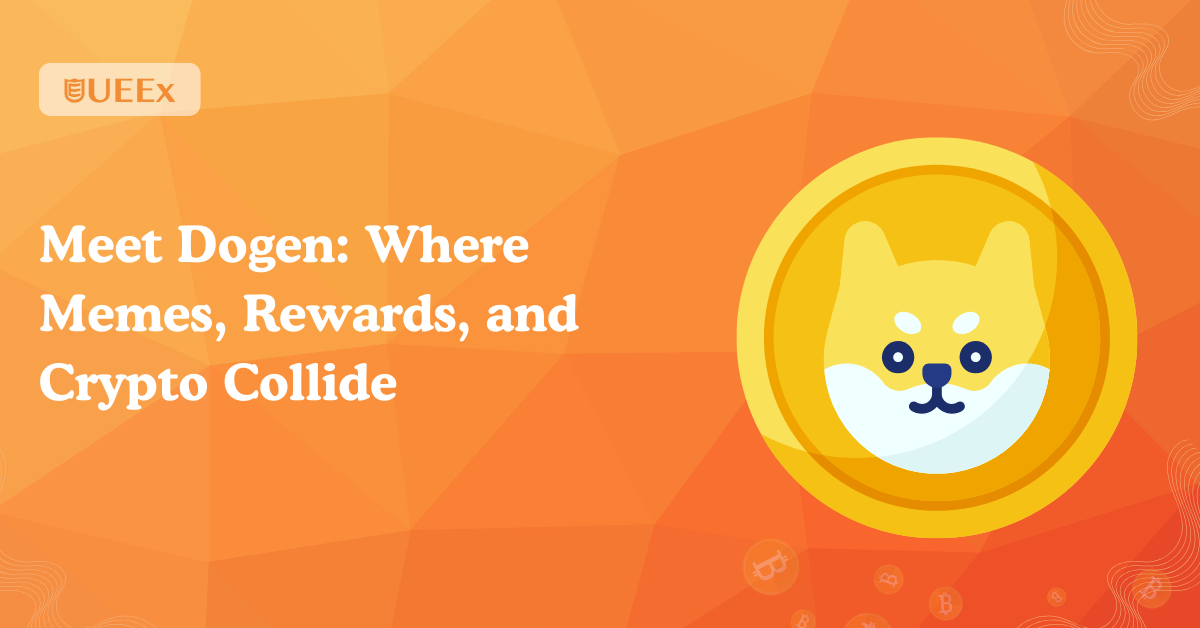
2013 (6 décembre) : Le Dogecoin a été créé par les ingénieurs logiciels Billy Markus et Jackson Palmer sur le ton de la plaisanterie, en s'inspirant du mème viral « Doge » représentant un Shiba Inu. L'offre de DOGE est illimitée et sujette à l'inflation (environ 5 milliards de nouveaux jetons sont créés chaque année), un modèle conçu pour contraster avec la rareté fixe de 21 millions d'unités du Bitcoin. Malgré ses origines parodiques, le Dogecoin a rapidement conquis une communauté passionnée qui l'utilisait pour rémunérer les créateurs de contenu sur Reddit et Twitter, ainsi que pour des collectes de fonds caritatives.
2014-2019 : La communauté Dogecoin a financé d’importantes initiatives caritatives et culturelles, notamment en contribuant au voyage de l’équipe jamaïcaine de bobsleigh aux Jeux olympiques d’hiver de 2014 et en sponsorisant la voiture d’un pilote NASCAR (Josh Wise, n° 98). La campagne « Doge4Water » a permis de récolter des dizaines de milliers de dollars pour des projets d’accès à l’eau potable. Bien que le prix du DOGE soit resté inférieur à 0.01 $ pendant des années, la culture de générosité et d’humour de la communauté a établi un modèle dont se sont inspirés par la suite les memecoins.
2020 (juillet) : Une tendance virale sur TikTok, « Dogecoin à 1 $ », a introduit la spéculation sur les memecoins auprès d'une nouvelle génération d'investisseurs particuliers, le prix du DOGE augmentant fortement en peu de temps.
2021 (janvier-mai) : Un important cycle spéculatif de memecoins a débuté. Les publications répétées d’Elon Musk concernant le Dogecoin ont coïncidé avec la hausse du DOGE, qui est passé d’environ 0.005-0.007 $ à un record historique de 0.7376 $ le 8 mai 2021 – une progression considérable en pourcentage sur une période d’environ quatre à cinq mois (corrélation, et non causalité exclusive, compte tenu du marché haussier général de 2021). Shiba Inu (SHIB), créé par le développeur pseudonyme « Ryoshi » en août 2020, a atteint une capitalisation boursière de plus de 40 milliards de dollars plus tard en 2021. SafeMoon, FLOKI et de nombreux autres memecoins ont été lancés durant cette période.
Mai 2021 : Elon Musk, invité de l’émission Saturday Night Live, a tenu des propos dédaigneux à l’égard du Dogecoin lors d’un sketch. Le cours du DOGE a chuté brutalement quelques heures plus tard, illustrant la forte sensibilité de la valeur des cryptomonnaies à l’opinion publique et aux commentaires de célébrités.
2022-2023 : La crise boursière générale des cryptomonnaies a durement touché la plupart des memecoins. Cependant, la catégorie a fait preuve de résilience : DOGE et SHIB ont persisté tandis que de nouveaux acteurs faisaient leur apparition. PEPE, un memecoin basé sur le mème internet « Pepe la Grenouille », a été lancé en avril 2023 et a atteint une capitalisation boursière d’un milliard de dollars, voire plus, en quelques semaines, relançant la spéculation autour des memecoins.
2024 : Une importante vague de memecoins a déferlé sur Solana. Pump.fun a été lancé en janvier, offrant une plateforme de lancement de memecoins sans code sur Solana et permettant à quiconque de créer et de déployer un token en quelques minutes. Un très grand nombre de tokens (souvent chiffrés en millions) ont été créés sur la plateforme au cours de l'année. WIF (dogwifhat), BONK et POPCAT sont devenus des tokens phares de l'écosystème Solana. Des memecoins à thématique politique ont commencé à émerger aux alentours de la campagne présidentielle américaine.
Janvier 2025 : Le memecoin TRUMP, associé à Donald Trump, a été lancé sur Solana quelques jours avant son investiture présidentielle et a atteint une valorisation de plusieurs dizaines de milliards de dollars en seulement 48 heures, devenant ainsi l’un des événements les plus controversés du monde des memecoins, compte tenu de ses liens avec le futur chef d’État. Le token MELANIA a suivi quelques jours plus tard.
2025-2026 : Les memecoins liés à la politique et aux célébrités sont restés une catégorie récurrente et controversée, avec un débat réglementaire et éthique continu autour des titulaires de fonctions publiques et de leurs associés lançant ou étant associés à des jetons échangeables.
En termes simples
Un memecoin, c'est un peu comme une blague virale sur Internet dans laquelle on peut investir. Imaginez qu'un mème drôle posté par un ami puisse se transformer en un jeton que n'importe qui dans le monde peut acheter : c'est en gros le principe d'un memecoin. Sa valeur dépend du nombre de personnes qui le trouvent drôle, original, ou qui pensent que d'autres l'achèteront ensuite.
Imaginez les memecoins comme des cartes à collectionner inspirées des tendances internet. Certaines cartes deviennent extrêmement précieuses non pas à cause du papier sur lequel elles sont imprimées, mais parce qu'elles sont très recherchées. Les memecoins fonctionnent de la même manière : leur valeur est déterminée par la demande et leur pertinence culturelle, et non par leur utilité intrinsèque.
Si le Bitcoin est l'or numérique et l'Ethereum un ordinateur programmable, les memecoins s'apparentent davantage au pop art dans le monde des cryptomonnaies. De même que le pop art a remis en question la notion d'« art véritable » en sublimant les objets du quotidien, les memecoins interrogent ce qui confère sa valeur à l'argent ; parfois, la réponse tient simplement au fait qu'un nombre suffisant de personnes y croient.
Memecoins fonctionne comme une immense conversation de groupe où votre participation financière prend la forme de votre carte de membre. Plus la conversation est active et enthousiaste, plus votre adhésion a de la valeur. Mais si tout le monde se déconnecte, votre adhésion perd toute valeur.
Imaginez un marché local où quelqu'un commence à vendre des « pierres porte-bonheur » ornées de visages amusants. Au départ, c'est une blague, mais le phénomène devient viral sur les réseaux sociaux, et soudain, des gens sont prêts à payer pour ces pierres peintes. C'est une analogie pertinente pour le phénomène des « memecoins » : de l'argent réel investi dans des actifs dont la valeur première réside dans la reconnaissance culturelle.
Important : Les memecoins comptent parmi les actifs les plus risqués du monde des cryptomonnaies. La grande majorité des memecoins créés finissent par perdre toute leur valeur, et beaucoup sont de véritables arnaques (des « rug pulls ») où les développeurs vident les caisses après avoir attiré des acheteurs. Même les memecoins à succès ont connu des chutes considérables par rapport à leurs sommets. N’investissez jamais d’argent que vous ne pouvez pas vous permettre de perdre intégralement, vérifiez les contrats des jetons avant tout achat et soyez extrêmement prudent avec les jetons soutenus par des célébrités.
Caractéristiques techniques clés
Architecture de jetons
La plupart des memecoins sont de simples contrats de jetons (ERC-20 sur Ethereum, SPL sur Solana, BEP-20 sur BNB Chain) sans mécanismes techniques novateurs.
L’offre de jetons varie énormément : DOGE a une offre illimitée actuellement bien supérieure à 100 milliards de pièces et augmente d’environ 5 milliards par an, tandis que certaines memecoins sont lancées avec des quadrillions de jetons.
De nombreuses cryptomonnaies dérivées mettent en œuvre des mécanismes de destruction de jetons (SHIB a détruit une très grande quantité de jetons au fil du temps) afin de créer une pression déflationniste et un discours autour de la diminution de l'offre.
Les memecoins avancés peuvent inclure des mécanismes de réflexion (distribution automatique aux détenteurs), des blocages de liquidité et des mesures anti-bots.
Infrastructure Launchpad
Pump.fun sur Solana utilise un mécanisme de courbe de liaison où les premiers acheteurs obtiennent des jetons à un prix inférieur, le prix augmentant selon une courbe mathématique à mesure que de nouveaux jetons sont achetés.
Une fois qu'une courbe de liaison atteint son seuil de migration, la liquidité est automatiquement transférée vers Raydium (un DEX Solana) pour les échanges sur le marché libre.
Des plateformes de lancement similaires existent sur d'autres chaînes, notamment sur BNB Chain et diverses plateformes de lancement équitables basées sur Ethereum.
Ces plateformes ont abaissé les barrières à la création de jetons, mais ont également considérablement augmenté le volume de jetons frauduleux et de jetons créés sans effort.
Comment fonctionne le trading de Memecoin ?
Un créateur déploie un nouveau contrat de jeton memecoin sur une blockchain (souvent via une plateforme de lancement comme Pump.fun, ne nécessitant aucune programmation).
La liquidité initiale est fournie, soit par le biais d'un mécanisme de courbe de liaison, soit par l'ajout de liquidités au pool DEX par le créateur.
Les premiers acheteurs découvrent le jeton via les réseaux sociaux, les groupes Telegram ou les outils de surveillance sur la blockchain (DEXScreener, Birdeye).
Si le jeton gagne en popularité auprès de la communauté, il pourrait être listé sur des agrégateurs DEX (Jupiter, 1inch) et éventuellement sur des plateformes d'échange centralisées.
Le prix est principalement déterminé par le volume des transactions, l'attention portée sur les réseaux sociaux, les mentions par les influenceurs et la dynamique spéculative.
Les traders utilisent généralement des outils on-chain pour vérifier la sécurité des contrats : si la liquidité est bloquée, si le créateur conserve le pouvoir de création et si le contrat contient un code honeypot (empêchant les ventes).
Communauté et gouvernance
La gouvernance de Memecoin est généralement informelle : les décisions sont prises par consensus communautaire sur Twitter/X, Telegram et Discord.
Certaines cryptomonnaies dérivées (SHIB, FLOKI) ont évolué en écosystèmes avec des DAO formelles, des équipes de développement et des feuilles de route pluriannuelles.
Les indicateurs communautaires (nombre de détenteurs, abonnés sur les réseaux sociaux, volume d'échanges) servent de « fondamentaux » informels pour l'évaluation des memecoins.
Les cryptomonnaies les plus puissantes développent des sous-cultures persistantes avec leur propre langage, art et identité.
Avantages désavantages
Avantages
Désavantages
Faible barrière à l'entrée – Les Memecoins sont généralement proposés à des prix dérisoires, de l'ordre de quelques centimes par jeton, ce qui les rend psychologiquement accessibles aux investisseurs particuliers qui ne peuvent pas se permettre d'acheter des unités entières de BTC ou d'ETH.
Volatilité extrême – Les Memecoins subissent régulièrement de très fortes baisses de prix en quelques jours, voire quelques heures, entraînant des pertes importantes pour les retardataires.
Potentiel de croissance virale – Le marketing communautaire via les mèmes et les médias sociaux peut générer une adoption explosive et organique
Risque d'escroquerie par manipulation de fonds – Une part importante des memecoins sont créés spécifiquement pour escroquer les investisseurs, les développeurs vidant les pools de liquidités après avoir attiré les acheteurs.
Création de communautés – Memecoins encourage la création de certaines des communautés les plus passionnées et soudées du monde des cryptomonnaies.
Absence de valeur fondamentale – Contrairement aux jetons d'utilité ou aux actions, la plupart des memecoins n'ont ni revenus, ni produit, ni innovation technique pour étayer leur valorisation.
Passerelle d'intégration – La première expérience de nombreux utilisateurs de cryptomonnaies avec la technologie blockchain se fait par l'achat de memecoins, ce qui les conduit parfois vers la DeFi, les NFT et d'autres applications.
Manipulation de marché – Il a été prouvé que des portefeuilles de baleines et des groupes d'initiés coordonnent des manipulations de cours, exploitant les investisseurs particuliers qui achètent sur la base de l'engouement médiatique.
Création démocratisée – Des plateformes comme Pump.fun permettent à quiconque de créer un token, abaissant ainsi les barrières à l'entrée en deçà de ce qu'exigeaient traditionnellement les équipes établies et les projets financés par des investisseurs.
Incertitude réglementaire – Les organismes de réglementation du monde entier examinent de plus en plus attentivement les memecoins, car leur classification potentielle en tant que valeurs mobilières non enregistrées représente un risque juridique pour leurs créateurs et les plateformes d'échange.
Pertinence culturelle – Les memecoins constituent une expression financière de la culture internet, rendant la cryptomonnaie plus accessible à certains groupes démographiques plus jeunes.
Asymétrie d'information – Les initiés et les premiers participants bénéficient généralement d'avantages considérables par rapport aux acheteurs particuliers en termes d'accès à l'information, de rapidité des robots de trading et de capital.
Liquidité rapide – Les memecoins populaires peuvent atteindre rapidement une liquidité significative sur les DEX et les CEX.
Flux de ressources – Le volume important de jetons éphémères créés sur les plateformes de lancement contribue à la charge transactionnelle du réseau, en particulier sur les chaînes à haut débit comme Solana.
Gestion du risque
Investir dans les memecoins exige une gestion rigoureuse des risques en raison de la nature extrême de cette classe d'actifs. De nombreux traders expérimentés n'y consacrent qu'un faible pourcentage de leur portefeuille total (souvent entre 1 et 5 %), considérant cela comme un pari à haut risque plutôt que comme un investissement conventionnel.
Liste de contrôle de diligence raisonnable :
Vérifiez le contrat du jeton sur un explorateur de blockchain (Etherscan, Solscan) avant de l'acheter.
Vérifiez si la liquidité est bloquée à l'aide d'outils comme DEXScreener, RugCheck ou Token Sniffer.
Vérifiez que le déployeur ne peut pas émettre de jetons supplémentaires (vérifiez par exemple la révocation de l'autorisation d'émission sur Solana).
Recherchez les indicateurs de pièges (impossibilité de vendre, taxes de transfert excessives).
Évaluer la répartition des détenteurs – une forte concentration entre les mains d'un petit nombre de portefeuilles signale un risque élevé
Vérifiez que les comptes sur les réseaux sociaux sont réels et que le nombre d'abonnés n'est pas artificiellement gonflé (les faux nombres d'abonnés sont courants dans ce domaine).
Gestion des postes :
Définissez des règles claires de stop-loss ou de sortie avant d'entrer en position.
Envisagez de prendre vos bénéfices progressivement plutôt que de conserver vos positions jusqu'à un seul point de sortie.
Évitez d'utiliser l'effet de levier sur les memecoins : leur volatilité est déjà suffisamment extrême sans amplification.
Soyez mentalement et financièrement préparé à une perte totale sur chaque position individuelle en memecoin.
Si vous choisissez de spéculer dans ce secteur, diversifiez vos investissements dans plusieurs memecoins plutôt que de vous concentrer sur un seul.
Reconnaissance des arnaques :
Des équipes anonymes sans antécédents vérifiables
Promesses de rendements garantis ou objectifs de prix spécifiques
Campagnes d'influenceurs rémunérées agressives (certains influenceurs de memecoins sont rémunérés pour promouvoir les jetons avant les ventes d'initiés)
Mécanismes de vente verrouillés ou taxes de transfert exceptionnellement élevées
Sites Web et documents copiés ou plagiés
Pertinence culturelle
Les memecoins occupent une place singulière au croisement de la culture internet, de la spéculation financière et de l'identité sociale. Ils témoignent d'une véritable évolution dans la manière dont certains jeunes se rapportent à la finance : ils perçoivent les marchés comme une forme de divertissement, d'expression personnelle et de participation communautaire, en parallèle (ou en remplacement) de la stratégie traditionnelle d'enrichissement.
La communauté Dogecoin a établi une grande partie du modèle culturel que les memecoins ont suivi par la suite : un humour irrévérencieux, une éthique communautaire inclusive, des gestes philanthropiques occasionnels et un contraste délibéré avec le ton plus sérieux et technique de nombreux autres projets de cryptomonnaie.
La relation d'Elon Musk avec Dogecoin est devenue l'un des phénomènes les plus scrutés sur les marchés des cryptomonnaies à partir de 2021. Ses déclarations publiques ont parfois coïncidé avec de fortes fluctuations du cours du DOGE, soulevant des questions récurrentes sur l'influence du marché, le rôle des personnalités publiques sur le comportement des investisseurs particuliers et la frontière entre l'humour et les éléments susceptibles d'influencer les marchés. L'attention portée par les autorités de régulation aux recommandations de célébrités dans le domaine des cryptomonnaies a été en partie influencée par ce type de dynamique.
La tendance des tokens à connotation politique (dont TRUMP et d'autres tokens liés à la politique) entre 2025 et 2026 a brouillé les frontières entre expression politique, spéculation et conflits d'intérêts potentiels. Le token TRUMP, en particulier, a suscité un vif débat quant à l'opportunité d'associer des personnalités politiques, en fonction ou en devenir, à des actifs financiers négociables, et aux conséquences que cela pourrait avoir sur la gouvernance et la gestion des conflits d'intérêts.
Les memecoins ont également joué un rôle dans l'adoption des cryptomonnaies dans les régions où l'accès aux services financiers traditionnels est plus limité, grâce à des communautés actives de trading de memecoins qui s'organisent sur des plateformes comme Telegram et Discord dans différentes régions du monde.
Exemples du monde réel
Dogecoin (DOGE) – Le Memecoin original
Scénario : En 2013, les développeurs Billy Markus et Jackson Palmer souhaitaient créer une cryptomonnaie amusante et accessible, capable de toucher un public plus large que le Bitcoin.
Mise en œuvre : Dogecoin a été lancé comme une bifurcation de Litecoin utilisant l’algorithme de minage Scrypt, avec un temps de bloc d’environ une minute et une offre illimitée qui augmente d’un montant fixe de nouveaux DOGE chaque année. Le mème du Shiba Inu « Doge » est devenu sa mascotte. La communauté a utilisé le DOGE pour les micro-pourboires sur Reddit et a financé plusieurs campagnes caritatives virales.
Résultat : DOGE a atteint une capitalisation boursière maximale d’environ 88 milliards de dollars en mai 2021. Il demeure l’une des plus importantes cryptomonnaies dérivées, a parfois été accepté par certains commerçants comme moyen de paiement et a fait l’objet de demandes d’émission d’ETF au comptant déposées par des gestionnaires d’actifs. Sa longévité est souvent citée comme preuve qu’un consensus communautaire durable peut maintenir une valeur financière au fil du temps, même sans utilité conventionnelle.
Shiba Inu (SHIB) – Du mème à l'écosystème
Scénario : En août 2020, un développeur anonyme connu sous le nom de « Ryoshi » a créé sur Ethereum un jeton inspiré du Dogecoin, le positionnant comme un concurrent du Dogecoin.
Mise en œuvre : Shiba Inu a été lancé avec une offre de jetons extrêmement importante. Une part significative a été envoyée au portefeuille de Vitalik Buterin, qui a ensuite brûlé la grande majorité de ces jetons et fait don du reste à des œuvres caritatives (notamment au fonds de secours indien pour la COVID-19). La communauté a par la suite créé ShibaSwap (une plateforme d'échange décentralisée), lancé des jetons associés (BONE et LEASH) et développé Shibarium, un réseau de mise à l'échelle de couche 2.
Résultat : SHIB a atteint une capitalisation boursière maximale de plus de 40 milliards de dollars fin 2021. D’une simple cryptomonnaie dérivée, elle est devenue un écosystème plus vaste avec un DEX, une chaîne L2 et d’autres projets associés, illustrant ainsi que certaines cryptomonnaies dérivées peuvent développer une véritable utilité supplémentaire au fil du temps, même si ce n’était pas le but initial.
PEPE – Le retour en 2023
Scénario : Après le marché baissier de 2022, une nouvelle cryptomonnaie, la « memecoin », a été lancée en avril 2023, basée sur le mème internet « Pepe la Grenouille », contribuant à raviver l'intérêt pour le secteur des memecoins.
Mise en œuvre : PEPE a été lancé comme un jeton ERC-20 sans taxe ni utilité, avec une offre fixe très importante. Son attrait était purement culturel, s’appuyant sur l’un des mèmes les plus connus d’Internet. La communauté s’est organisée principalement sur Twitter/X et Telegram.
Résultat : PEPE a atteint une capitalisation boursière de plusieurs milliards de dollars à certains moments entre 2023 et 2024, a été coté sur les principales plateformes d'échange, notamment Coinbase et Binance, et a contribué au récit plus large de la « saison des memecoins » qui a façonné le cycle de marché de 2023-2024, démontrant qu'une demande renouvelée de memecoins peut émerger même après des marchés baissiers prolongés.
Jetons Pump.fun – Création industrialisée de memecoins
Scénario : En 2024, l’écosystème Solana a constaté une forte demande pour une solution simple permettant à quiconque de lancer et d’échanger des memecoins sans connaissances techniques.
Mise en œuvre : Pump.fun a créé une plateforme de lancement basée sur une courbe de liaison. Les utilisateurs paient des frais SOL minimes pour créer un token avec un nom, un symbole et une image personnalisés. Les tokens sont négociés sur une courbe de liaison jusqu'à atteindre un seuil de capitalisation boursière, puis migrent automatiquement vers Raydium pour être négociés sur un DEX ouvert.
Résultat : Un très grand nombre de tokens ont été créés sur Pump.fun en 2024, générant des revenus substantiels pour la plateforme grâce aux frais de création et de transaction. Si la plateforme a considérablement simplifié la création de tokens, elle a également accéléré la prolifération de tokens frauduleux et éphémères, seule une faible proportion des tokens lancés parvenant à une activité de trading soutenue.
Tableau de comparaison
Fonctionnalité
Memecoin (DOGE/SHIB)
Jeton utilitaire (UNI/AAVE)
Bitcoin (BTC)
Stablecoin (USDC/USDT)
Principal facteur de valeur
Communauté, mèmes, viralité
Utilisation du protocole, droits de gouvernance
Rareté, réserve de valeur
stabilité des chevilles Fiat
La volatilité des prix
Extrême
Haute
Modéré-élevé
Minimal (sauf événements de désintégration)
Équipe de développement
Souvent anonyme/dirigé par la communauté
Généralement professionnels, souvent financés par du capital-risque
Décentralisé, open source
Entreprise (Cercle, Lien)
Case Study
Spéculation, pourboire, identité communautaire
Gouvernance DeFi, réductions de frais
Stockage de valeur, paiements
Paiements, garanties DeFi
Jeton d'approvisionnement
Généralement très grands ou sans bouchon
Souvent fixes, avec des émissions définies par la gouvernance
Fixé à 21M
Frappé/brûlé en fonction des réserves
Risque réglementaire
Élevé (classification de sécurité potentielle)
Modéré (argument d'utilité, varie selon le jeton)
Relativement faible (classification des produits de base aux États-Unis)
Aux États-Unis, la définition est désormais plus précise suite à la loi GENIUS (2025), même si les exigences de conformité restent applicables.
Complexité d'entrée
Très bas (achat sur n'importe quelle plateforme d'échange/DEX)
Niveau modéré (nécessite souvent une certaine connaissance de la DeFi)
Faible (largement disponible)
Faible (largement disponible)
Termes connexes
Dogecoin (DOGE) – La memecoin originale, créée en 2013 comme une blague basée sur le mème internet Shiba Inu « Doge », et qui reste l'une des plus importantes memecoins en termes de capitalisation boursière.
Shiba Inu (SHIB) – Un memecoin basé sur Ethereum lancé en 2020 qui a évolué en un écosystème multi-produits comprenant un DEX et une chaîne L2.
Tirage de tapis – Une arnaque où les développeurs abandonnent un projet et s'emparent des fonds des investisseurs, malheureusement courante dans l'univers des memecoins.
DEX (échange décentralisé) – La principale plateforme d'échange de la plupart des memecoins, permettant des échanges de jetons sans autorisation et sans exigences de cotation centralisée.
Pump and Dump – Une technique de manipulation de marché où des initiés gonflent artificiellement le prix d'un actif avant de le vendre, une pratique courante sur les marchés des memecoins.
Destruction de jetons – Le retrait définitif de jetons de la circulation, utilisé par certains projets de memecoins pour créer une dynamique d'offre déflationniste.
Baleine – Gros détenteurs dont les achats ou les ventes peuvent avoir un impact considérable sur les prix des memecoins, en particulier pour les jetons à faible liquidité.
Jeton social – Jetons dont la valeur est liée à une communauté, un créateur ou une marque, présentant un certain chevauchement conceptuel avec les memecoins.
Capitalisation boursière – La valeur totale de tous les jetons en circulation, une mesure courante pour comparer la taille des memecoins, bien qu'elle puisse être trompeuse pour les jetons à faible liquidité.
QFP
Q : Qu'est-ce qu'un memecoin et pourquoi les gens en achètent-ils ? R : Un memecoin est une cryptomonnaie inspirée des mèmes internet ou des tendances culturelles plutôt que d'une innovation technique. Les gens en achètent pour diverses raisons : le potentiel de profit spéculatif, le sentiment d'appartenance à une communauté, la valeur de divertissement et la conviction que la culture et l'attention suscitées par internet ont une véritable valeur économique dans les bonnes conditions.
Q : Les memecoins sont-ils un bon investissement ? R : Les memecoins sont des actifs spéculatifs extrêmement risqués, et non des investissements traditionnels au sens habituel du terme. Bien que les premiers acheteurs de DOGE, SHIB ou PEPE aient réalisé des gains importants à certains moments, la grande majorité des memecoins finissent par perdre toute leur valeur. Si vous décidez d'investir, considérez cela comme une spéculation avec de l'argent que vous pouvez vous permettre de perdre intégralement, et non comme une stratégie d'investissement principale.
Q : Comment identifier les arnaques et les escroqueries liées aux memecoins ? R : Les signaux d'alerte incluent les équipes anonymes sans historique, l'impossibilité de vendre des tokens (contrats « honeypot »), la liquidité non garantie (les développeurs peuvent vider le pool d'échange), une forte concentration de la propriété entre quelques portefeuilles, des frais de transfert excessifs et une promotion agressive par des influenceurs rémunérés. Des outils comme RugCheck, Token Sniffer et DEXScreener peuvent aider à vérifier les contrats avant l'achat, mais aucun ne garantit une sécurité absolue.
Q : Quelle est la différence entre Dogecoin et les autres memecoins ? R : Dogecoin est le memecoin original, doté de sa propre blockchain (utilisant l’algorithme de preuve de travail Scrypt), d’une expérience de plus de dix ans, d’une large présence sur les plateformes d’échange et du soutien de personnalités publiques influentes. La plupart des autres memecoins sont de simples jetons déployés sur des blockchains existantes (Ethereum, Solana, etc.), sans réseau indépendant, avec un historique plus court et, par conséquent, un profil de risque généralement plus élevé.
Q : Les memecoins peuvent-ils développer une réelle utilité ? R : Certains memecoins ont dépassé le stade de la simple spéculation. Shiba Inu a créé ShibaSwap (un DEX) et Shibarium (une chaîne de couche 2). FLOKI a développé d'autres produits liés à la finance décentralisée et aux jeux vidéo. Dogecoin est accepté comme moyen de paiement par certains commerçants. Cela dit, le développement d'une utilité significative reste l'exception plutôt que la règle dans l'ensemble de la catégorie des memecoins.
Q : Comment fonctionnent les plateformes de lancement de memecoins comme Pump.fun ? R : Pump.fun permet à quiconque de créer un jeton Solana en choisissant un nom, un symbole et une image, puis en payant de faibles frais en SOL. Le jeton est initialement négocié selon une courbe de liaison, son prix augmentant à mesure que le nombre d'acheteurs augmente. Une fois la capitalisation boursière atteinte, la liquidité migre automatiquement vers Raydium pour un échange décentralisé. L'ensemble du processus prend quelques minutes et ne nécessite aucune connaissance en programmation.
Q : Pourquoi les recommandations de célébrités ont-elles un tel impact sur le prix des memecoins ? R : Les memecoins manquent généralement de fondamentaux (pas de revenus, pas de produit), leur prix est donc fortement influencé par l’attention et le sentiment du public. Une recommandation de personnalité influente peut instantanément exposer un token à un très large public d’acheteurs potentiels, provoquant des pics de demande importants. Cette même dynamique de prix liée à l’attention signifie également que les prix peuvent chuter rapidement une fois l’intérêt retombé.