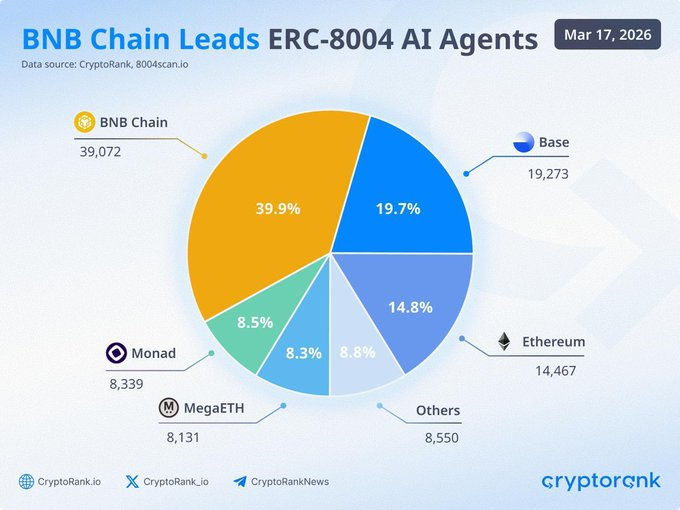
Digital Asset Management refers to the systematic approach to acquiring, storing, and overseeing digital assets, particularly cryptocurrencies and tokens. It encompasses tools and strategies for efficiently managing these assets throughout their lifecycle.Managing digital assets involves several key activities, including safe storage, tracking value, and executing transactions. Wallets, exchanges, and portfolio management tools are crucial for ensuring security and accessibility. Efficient management also helps in making informed investment decisions.Another important aspect is compliance with regulations and tax obligations. This can involve tracking transaction histories and ensuring accurate reporting. Additionally, digital asset management aids in diversifying investments across various cryptocurrencies to mitigate risks. This can enhance overall portfolio performance in a volatile market.Ultimately, effective digital asset management is vital for both individual investors and institutional players looking to optimize their cryptocurrency holdings and navigate the evolving landscape of digital currencies.
The CFTC and SEC Have Jointly Issued New Guidance Clarifying How U.S. Securities and Commodities Laws Apply to Crypto Assets, Introducing a Clearer Token Taxonomy
In a significant shift for the U.S. crypto regulatory landscape, the Securities and Exchange Commission (SEC) and the Commodity Futures