
Table of Content
Introduction
Major Crypto Lawsuits That Redefined the Industry
(2019 - 2025)

Overview
Over the past few years, the U.S. Securities and Exchange Commission (SEC) has tried to treat many crypto assets like securities, which has sparked debates about how these digital assets should be regulated.
As the SEC and other agencies work to define their role, several high-profile lawsuits have shaped the legal part of cryptocurrencies and decentralized finance (DeFi).
These cases have raised important questions about whether crypto assets should be regulated as securities, commodities, or something else entirely.
This article explores key lawsuits from 2019 to 2025 that have had a significant impact on how crypto assets are governed and what they mean for the industry’s future.
Report Highlights
Total Fines Levied (2019–2025)
More than $6.4 billion in crypto-related penalties issued across civil and criminal enforcement actions.
Most Active Regulator
The U.S. Securities and Exchange Commission (SEC) leads with the highest number of enforcement actions—targeting exchanges, lending platforms, token issuers, and staking services.
Criminal Convictions
At least 5 top executives sentenced or convicted, including Sam Bankman-Fried (FTX) and Alex Mashinsky (Celsius), signaling intensified federal prosecution of crypto fraud.
Historic Dual Lawsuits (2023)
The SEC filed simultaneous lawsuits against Coinbase and Binance, reshaping the legal conversation around crypto exchanges and staking-as-a-service.
FTX Founder Sentenced
In 2024, Sam Bankman-Fried was sentenced to 25 years in prison for orchestrating one of the largest financial frauds in modern history—an $8B+ misuse of customer funds.
Kraken Settles $30M
In 2023, Kraken paid a $30 million fine to the SEC and shut down its U.S. crypto staking program after being charged with offering unregistered securities.
Major Crypto Lawsuits and Enforcement Actions (2019–2025)
| Crypto lawsuit | Year | Filed By | Penalty/Fine (USD) | Final Outcome | Links |
|---|---|---|---|---|---|
| SEC v. Ripple Labs | 2020 | U.S. Securities and Exchange Commission (SEC) | $1.3 billion alleged offering; Final settlement (July 2023): Ripple agreed to pay $1.3 billion in disgorgement, interest, and penalties (civil resolution split across penalties and other remedies)【source: SEC litigation documents, July 2023】 | In July 2023, Judge Torres ruled that XRP sales to institutional investors were securities, but not to retail buyers via exchanges. Ripple partially won and partially lost. A settlement was reached with the SEC in October 2023. | View |
| SEC v. Coinbase | 2023 | U.S. Securities and Exchange Commission (SEC) | Pending – The SEC seeks disgorgement, interest, penalties, and injunctive relief; no finalized penalties have been announced as of the latest public record. | Ongoing – As of now, no court ruling or settlement has concluded the case. | View |
| SEC v. Binance (2023) | 2023 | U.S. Securities and Exchange Commission (SEC) | Pending – Case ongoing; no final penalty or settlement as of the latest public disclosure | Ongoing – No judgment or settlement finalized yet | View |
| SEC v. Justin Sun and Tron | 2023 | U.S. Securities and Exchange Commission (SEC) | Over $400,000 in celebrity settlements; $31 million in proceeds alleged from Sun’s unlawful sales (case ongoing for primary defendants) | Ongoing for Sun and corporate entities; Settled for most celebrities (excluding Soulja Boy and Austin Mahone) | View |
| SEC v. Kraken | 2023 | U.S. Securities and Exchange Commission (SEC) | $30 million (disgorgement, prejudgment interest, civil penalty) | Settled – Kraken ceased staking services in the U.S. and agreed to permanent injunction | View |
| SEC v. Terraform Labs | 2022 | U.S. Securities and Exchange Commission (SEC) | $4,473,828,306 (to be satisfied through bankruptcy payouts to investors) $204,320,196 from Kwon to bankruptcy estate (includes crypto assets) | Settled with consent judgment; Chapter 11 liquidation ongoing under court supervision | View |
| NYAG v. Gemini, Genesis, DCG | 2023 | New York Attorney General Letitia James (Office of the Attorney General – OAG) | Ongoing — AG is seeking restitution of over $1 billion and disgorgement; no final judgment or settlement yet. | Pending | View |
| SEC v. Consensys | 2024 | U.S. Securities and Exchange Commission (SEC) | To be determined (pending litigation outcome) | Pending | View |
| SEC v. OpenSea | 2024 | U.S. Securities and Exchange Commission (SEC) | None | Case closed, no enforcement action | View |
| CFTC v. Bitfinex and Tether | 2021 | Commodity Futures Trading Commission (CFTC) | $41 million (Tether) + $1.5 million (Bitfinex) = $42.5 million | Settled; both parties agreed to pay penalties and cease further violations. Bitfinex was also ordered to implement preventive systems. | View |
| SEC v. Robinhood Crypto | 2024 | U.S. Securities and Exchange Commission (SEC) | $45 million | Settled with a cease-and-desist order. Robinhood did not admit or deny the allegations. Crypto investigations remain ongoing. | View |
| NYAG v. Bitfinex and Tether | 2019 | New York Attorney General (Letitia James) | $18.5 million | Settlement – Bitfinex and Tether banned from operating in New York, required to submit periodic transparency reports and public asset disclosures | View |
| SEC v. BlockFi | 2022 | Securities and Exchange Commission (SEC) | $100 million ($50M to SEC, $50M to 32 states) | Settlement; cease-and-desist order issued, product offering halted, registration and compliance efforts initiated | View |
| DOJ v. Saitama | 2024 | U.S. Department of Justice (DOJ) | Not yet determined (ongoing case); however, tens of millions in illicit profits cited | Ongoing; partial guilty pleas (Hernandez and Armand); other defendants awaiting trial or extradition | View |
| CFTC v. Binance | 2023 | Commodity Futures Trading Commission (CFTC) | Ongoing litigation – no finalized penalty yet. The CFTC seeks disgorgement, civil penalties, and permanent bans. | Pending (as of 2025) | View |
| SEC v. Kik Interactive | 2019 | Securities and Exchange Commission (SEC) | $5 million penalty (finalized in 2020) | Kik settled with the SEC in October 2020, agreeing to pay a $5 million penalty and to notify the SEC before engaging in any future digital asset sales. | View |
| SEC v. Telegram | 2020 | Unknown | TBD | TBD | View |
| DOJ v. Baller Ape Club | 2022 | U.S. Department of Justice (DOJ) | Not yet determined (charges filed; no judgment issued at time of report) | Pending (Traun has been charged but no conviction or sentencing yet) | View |
| SEC v. Titanium Blockchain | 2022 | U.S. Securities and Exchange Commission (SEC) | Up to $21 million sought in disgorgement, plus penalties (exact final amount TBD; preliminary injunction and asset freeze granted) | Preliminary injunction granted; litigation ongoing at time of reporting; permanent receiver appointed | View |
| NYAG v. KuCoin | 2023 | New York State Office of the Attorney General (Letitia James) | No fine announced yet; lawsuit seeks injunctive relief and operational prohibition in NY | Ongoing (as of last update in 2023) | View |
| SEC v. Genesis Global Capital | 2023 | U.S. Securities and Exchange Commission (SEC) | $21 million civil penalty (payable after bankruptcy creditor payouts) | Settled – Permanent injunction + penalty agreement | View |
| SEC v. Bittrex | 2023 | U.S. Securities and Exchange Commission (SEC) | To be determined (as of filing, no specific fine announced) | Pending (litigation ongoing) | View |
| SEC v. LBRY | 2021 | U.S. Securities and Exchange Commission (SEC) | Pending at the time of judgment; the court reserved the relief determination | Summary judgment granted for SEC; relief to be determined | View |
| SEC v. Dragonchain | 2022 | U.S. Securities and Exchange Commission (SEC) | Not yet determined; SEC seeks disgorgement, civil penalties, and permanent injunctions | Pending (litigation ongoing as of latest update) | View |
| SEC v. Argo Blockchain | 2022 | A class of U.S. investors (plaintiffs in federal court) | Not yet determined (class action pending) | Pending | View |
| SEC v. Nexo | 2023 | U.S. Securities and Exchange Commission (SEC) | $45 million ($22.5M to SEC + $22.5M to state regulators) | Settled; Nexo ceased EIP in the U.S. and paid penalties | View |
| DOJ v. MyTrade MM | 2024 | U.S. Department of Justice (DOJ) | Not yet disclosed (pending sentencing) | Plea agreement entered; awaiting sentencing | View |
| SEC v. BitConnect | 2021 | U.S. Securities and Exchange Commission (SEC) | Unspecified | Still pending as of the announcement; however, in a related action, Glenn Arcaro pleaded guilty to criminal charges brought by the DOJ. | View |
| SEC v. Sparkster | 2022 | U.S. Securities and Exchange Commission (SEC) | $35,374,754.23 | Settled with Respondents ordered to pay $35,374,754.23; Fair Fund created for investor distribution | View |
| SEC v. Celsius Network | 2023 | U.S. Securities and Exchange Commission (SEC) | Unspecified | Ongoing (Celsius consented to a permanent injunction; case against Mashinsky continues) | View |
| SEC v. Beaxy | 2023 | U.S. Securities and Exchange Commission (SEC) | $228,579 total ($79,200 civil penalties for Windy, Abbott, and Murphy; $6,600 civil penalty for Peterson; $80,000 civil penalty for Braverock Entities; $10,779 disgorgement plus prejudgment interest for Windy; $52,000 disgorgement plus prejudgment interest for Braverock Entities) | Partially settled (Windy, Murphy, Abbott, Peterson, and Braverock Entities agreed to injunctions, penalties, and platform shutdown; litigation ongoing against Hamazaspyan and Beaxy Digital) | View |
| SEC v. TradeStation Crypto | 2024 | U.S. Securities and Exchange Commission (SEC) | $1.5 million (civil penalty) | Settled with TradeStation agreeing to a $1.5 million penalty and a cease-and-desist order | View |
| SEC v. Abra | 2024 | U.S. Securities and Exchange Commission (SEC) | Civil penalties to be determined by the court | Settled with Abra consenting to an injunction prohibiting future violations; civil penalties pending court determination | View |
| SEC v. Voyager Digital | 2023 | U.S. Securities and Exchange Commission (SEC) | None imposed | Deal approved by Bankruptcy Judge Michael Wiles on March 7, 2023, but blocked by District Judge Jennifer Rearden on April 1, 2023, pending appeal; SEC investigation ongoing | View |
| Dapper Labs, Inc. and Roham Gharegozlou Case | 2023 | Jeeun Friel (individual plaintiff, on behalf of a proposed class) | None imposed | Dismissed with prejudice on February 22, 2023, by the U.S. District Court for the Southern District of New York; appeal pending as of May 2023 | View |
| SEC v. Impact Theory | 2023 | U.S. Securities and Exchange Commission (SEC) | $6.1 million | Settled with Impact Theory agreeing to a cease-and-desist order, payment of $6.1 million, destruction of Founder’s Keys, and establishment of a Fair Fund | View |
| SEC v. Stoner Cats | 2023 | U.S. Securities and Exchange Commission (SEC) | $1 million (civil penalty) | Settled with SC2 agreeing to a cease-and-desist order, payment of $1 million, destruction of NFTs, and establishment of a Fair Fund | View |
| DOJ v. Tornado Cash | 2023 | U.S. Department of Justice (DOJ) | None imposed yet | Ongoing; charge under 18 U.S.C. § 1960(b)(1)(B) dropped on May 15, 2025, but trial set for July 14, 2025, on remaining charges | View |
| SEC v. SafeMoon | 2023 | U.S. Securities and Exchange Commission (SEC) | None imposed yet | Ongoing as of May 2025 | View |
| SEC v. Hydrogen Technology | 2022 | U.S. Securities and Exchange Commission (SEC) | The penalties included nearly $3 million in total, with Hydrogen ordered to pay $2,796,235.51 and Michael Ross Kane ordered to pay $260,206.04, while Tyler Ostern paid $41,868 and was not fined further due to his cooperation with the SEC. | The final outcome resulted in consent judgments against all parties, permanent injunctions, monetary penalties, and officer-and-director and industry bans for the individuals involved. | View |
| SEC v. Paxful | 2024 | The case was filed by the U.S. Department of Justice (DOJ), with prosecution led by the Criminal Division’s Money Laundering and Asset Recovery Section and the U.S. Attorney’s Office for the Eastern District of California. | As of the plea announcement, no financial penalty has been publicly disclosed; however, Schaback faces a potential prison sentence of up to five years and is required to resign from Paxful’s Board of Directors. | Artur Schaback pleaded guilty to the charges and is awaiting sentencing scheduled for November 4, 2024; he has resigned from his role at Paxful and accepted legal responsibility for failing to implement proper AML controls. | View |
| SEC v. eToro USA | 2024 | The lawsuit was filed by the U.S. Securities and Exchange Commission (SEC). | eToro agreed to pay a civil monetary penalty of $1.5 million to resolve the SEC’s charges. | eToro did not admit or deny the findings but agreed to a cease-and-desist order, a $1.5 million penalty, and a timeline for ceasing trading of all crypto assets except Bitcoin, Bitcoin Cash, and Ethereum for U.S. users; remaining non-compliant assets will be liquidated by March 18, 2025. | View |
| Class Action v. DraftKings | 2022 | Plaintiff | $10 million (settlement fund) | Settled with a $10 million fund, preliminarily approved on February 28, 2025; claim forms due by July 21, 2025 | View |
| Class Action v. Gemini Trust | 2023 | U.S. Commodity Futures Trading Commission (CFTC) | $5 million (civil monetary penalty) | Settled with a $5 million penalty and permanent injunction, approved on January 6, 2025 | View |
| SEC v. BitClout | 2024 | U.S. Securities and Exchange Commission (SEC) | Case dismissed | Dismissed on March 19, 2025, after SEC and DOJ moved to drop charges | View |
| 18 States v. SEC | 2024 | Commonwealth of Kentucky, States of Nebraska, Tennessee, West Virginia, Iowa, Texas, Mississippi, Montana, Arkansas, Ohio, Kansas, Missouri, Indiana, Utah, Louisiana, South Carolina, Oklahoma, Florida, and DeFi Education Fund | None imposed; case seeks declaratory and injunctive relief | Ongoing; 60-day pause granted on April 20, 2025, for settlement talks | View |
| Bitnomial Exchange, LLC v. SEC (N. D. Ill. | 2024 | Bitnomial Exchange, LLC | None imposed; case seeks declaratory and injunctive relief | Ongoing as of May 2025 | View |
| Kentucky et al. v. SEC (E. D. Ky.) | 2024 | The plaintiffs are 18 Republican-led states, listed explicitly in the docket, and the DeFi Education Fund, a crypto advocacy group. | No penalties or fines are sought or imposed; the plaintiffs request declaratory judgments and injunctive relief. | The case is ongoing, with a 60-day stay granted on April 16, 2025, to facilitate settlement talks, reflecting the SEC’s shift under Chairman Atkins. A joint status report was due by May 16, 2025, but no further updates are provided as of May 20, 2025. | View |
| SEC v. NovaTech | 2024 | U.S. Securities and Exchange Commission (SEC) | $100,000 civil penalty imposed on Martin Zizi (partial settlement); further remedies pending | Partially resolved; final judgment against Martin Zizi on August 15, 2024; case terminated for scheduling on September 30, 2024, but ongoing against other defendants with status reports filed through March 31, 2025 | View |
| SEC v. Touzi Capital & Eng Taing | 2024 | U.S. Securities and Exchange Commission (SEC) | None imposed | Ongoing as of May 20, 2025 | View |
| SEC v. BitClave | 2024 | U.S. Securities and Exchange Commission (SEC) | $29,344,197 ordered ($25.5 million disgorgement, $3.44 million prejudgment interest, $400,000 civil penalty); ~$12 million paid, of which $4,614,679.81 distributed | Ongoing as of May 20, 2025; Fair Fund distributed $4.61 million on November 19, 2024; BitClave’s March 18, 2025, motion for relief from disgorgement order pending | View |
| SEC v. Rari Capital | 2024 | U.S. Securities and Exchange Commission (SEC) | $63,567.51 (Bhavnani: $7,189.51 disgorgement, $1,378.00 prejudgment interest, $55,000 civil penalty); $43,199.98 (Lipstone: $7,189.51 disgorgement, $1,010.47 prejudgment interest, $35,000 civil penalty); $45,208.92 (Lucid: $7,189.51 disgorgement, $1,019.41 prejudgment interest, $37,000 civil penalty); no monetary penalties for Rari Capital or Rari Capital Infrastructure | Resolved; final judgments entered on September 19, 2024, against Rari Capital, Bhavnani, Lipstone, and Lucid; separate cease-and-desist order against Rari Capital Infrastructure | View |
| SEC v. Vy Pham | 2024 | U.S. Securities and Exchange Commission (SEC) | Unspecified | Ongoing | View |
| Holsworth v. BProtocol Foundation Case | 2023 | Timothy C. Holsworth (substituted for William Zhang) | None | Dismissed with prejudice on February 22, 2021; judgment entered for defendants | View |
| Eqonex Limited Securities Litigation | 2023 | Freedman Normand Friedland LLP (FNF) on behalf of a class of Eqonex securities purchasers | None | Dismissed on September 24, 2024, with leave to re-plead; ongoing as of May 20, 2025 | View |
| Tornado Cash Sanctions Litigation | 2024 | Six Tornado Cash users, financially backed by Coinbase | None | Fifth Circuit reversed district court on November 26, 2024, ruling OFAC exceeded IEEPA authority; OFAC delisted Tornado Cash on March 21, 2025; case ongoing for related criminal and Eleventh Circuit matters | View |
| Qbit and Bytechip Fraud Litigation | 2025 | Unnamed Alabama resident, represented by unspecified counsel, on behalf of a proposed class | Unspecified | Ongoing as of May 20, 2025 | View |
Biggest Crypto Lawsuits by Financial Impacts
SEC v. Terraform Labs (2022–2024): $60 Billion Market Collapse
The SEC v. Terraform Labs case centers around the dramatic collapse of two cryptocurrencies, TerraUSD and Luna, which wiped out around $40 billion in investor funds in 2022 and sparked a broader crypto market crash.
The U.S. Securities and Exchange Commission (SEC) sued Terraform Labs and its founder, Do Kwon, accusing them of fraud for misleading investors about the stability of TerraUSD, which was marketed as a stablecoin pegged to the U.S. dollar.
The SEC also alleged that Terraform falsely claimed its blockchain technology was used in a popular Korean mobile app to bolster credibility. A jury found both the company and Kwon liable for civil fraud in April 2024.
Rather than proceed with a second trial phase to determine damages, Terraform agreed to a $4.47 billion settlement with the SEC. However, the SEC will likely recover little of that amount because it agreed to be paid only after the company compensates affected crypto investors during bankruptcy proceedings.
Terraform, which filed for bankruptcy in early 2024, has since received court approval to wind down operations, estimating it can pay between $184.5 million and $442.2 million to creditors. Meanwhile, Do Kwon also faces criminal charges in both the U.S. and South Korea, though he has denied any wrongdoing.
2. DOJ v. OneCoin (2019–Ongoing): $25 Billion Ponzi Scheme
The DOJ v. OneCoin case is a major ongoing legal battle involving one of the largest cryptocurrency frauds in history, with an estimated $25 billion implicated.
OneCoin was co-founded in 2014 by Ruja Ignatova (also known as the "Cryptoqueen") and Karl Sebastian Greenwood, who created and sold a fake cryptocurrency through a global multi-level marketing (MLM) scheme.
They falsely promoted OneCoin as a revolutionary digital currency and compared it to Bitcoin, convincing millions of people worldwide to invest. In reality, OneCoin had no real blockchain or market value.
Greenwood played a key role in promoting the scam, earning over $300 million, which he used to fund a lavish lifestyle. He was arrested in 2018, extradited to the U.S., and sentenced to 20 years in prison in 2023.
Ignatova remains a fugitive and is on the FBI’s Top Ten Most Wanted list. The U.S. Department of Justice (DOJ) continues to pursue justice for over 3.5 million victims globally who lost more than $4 billion, making this case a landmark in financial and crypto-related fraud prosecutions.
DOJ v. OneCoin (2019–Ongoing)
$25 Billion Ponzi Scheme
The DOJ v. OneCoin case is a major ongoing legal battle involving one of the largest cryptocurrency frauds in history, with an estimated $25 billion implicated.
OneCoin was co-founded in 2014 by Ruja Ignatova (also known as the "Cryptoqueen") and Karl Sebastian Greenwood, who created and sold a fake cryptocurrency through a global multi-level marketing (MLM) scheme.
They falsely promoted OneCoin as a revolutionary digital currency and compared it to Bitcoin, convincing millions of people worldwide to invest. In reality, OneCoin had no real blockchain or market value.
Greenwood played a key role in promoting the scam, earning over $300 million, which he used to fund a lavish lifestyle. He was arrested in 2018, extradited to the U.S., and sentenced to 20 years in prison in 2023.
Ignatova remains a fugitive and is on the FBI’s Top Ten Most Wanted list. The U.S. Department of Justice (DOJ) continues to pursue justice for over 3.5 million victims globally who lost more than $4 billion, making this case a landmark in financial and crypto-related fraud prosecutions.
FTX & Alameda Research (2022- 2024): $12.7 Billion
Between 2022 and 2024, FTX Trading Ltd. and its affiliate Alameda Research LLC faced a major lawsuit resulting in a $12.7 billion penalty, the largest recovery in Commodity Futures Trading Commission (CFTC) history.
The U.S. District Court for the Southern District of New York issued a consent order that required FTX to pay $8.7 billion in restitution to customers and $4 billion in disgorgement, aiming to compensate victims of a massive fraud scheme led by FTX founder Sam Bankman-Fried and key insiders.
FTX had misrepresented how customer assets were handled, claiming funds were safely held and segregated, when in fact they were misused and mixed with company assets. The court also banned FTX and Alameda from future trading and registration activities and required them to cooperate with the CFTC in ongoing investigations.
The ruling followed earlier legal actions against executives Caroline Ellison, Gary Wang, and Nishad Singh. While the CFTC agreed not to seek additional penalties if FTX fulfills its bankruptcy reorganization plan, the case against Bankman-Fried continues. The resolution underscores a broader push for stronger crypto regulation.
Celsius Network (2022 - 2024): $4.7 Billion
Celsius was a crypto lending platform that promised users high returns on their deposits. However, it was accused of misleading customers and mismanaging their funds.
Between 2022 and 2024, Celsius Network (CEL) faced major legal trouble, culminating in a $4.7 billion settlement with the Federal Trade Commission, one of the largest in its history. Celsius, once seen as a leading crypto platform, promised customers high returns and safety for their digital assets.
However, the company’s CEO, Alexander Mashinsky, was found to have misled users about the platform’s financial health, risks, and the value of its CEL token. Celsius secretly used customer funds to buy CEL tokens and inflate their price, allowing Mashinsky to profit while falsely claiming he wasn’t selling his holdings.
Just before freezing customer withdrawals in June 2022, Mashinsky withdrew millions of dollars for himself. In 2024, he pleaded guilty to fraud charges and was sentenced to 12 years in prison. The case revealed how Celsius’s promises of security and high returns masked risky practices and deception that led to billions in customer losses.
Binance (2023 - 2024): $4.3 Billion
Binance, the world’s largest cryptocurrency exchange, faced a massive $4.3 billion legal settlement with the U.S. Justice Department.
The case centered on serious violations of U.S. law, including money laundering, operating without a license, and breaching international sanctions. As part of the settlement, Binance’s founder and CEO, Changpeng Zhao (CZ), pleaded guilty, resigned, and agreed to pay a $50 million personal fine.
Binance itself admitted guilt, accepted a compliance monitor, and was ordered to pay a $1.81 billion criminal fine plus a $2.51 billion forfeiture.
U.S. authorities, including Attorney General Merrick Garland and Treasury Secretary Janet Yellen, stated that Binance had allowed illicit transactions tied to terrorism, child exploitation, and narcotics across more than 100,000 transactions by failing to implement proper controls.
The case followed years of investigation and highlighted a broader crackdown on crypto platforms, ignoring U.S. laws. Richard Teng was named the new CEO after Zhao stepped down. This legal blow came shortly after the collapse of rival exchange FTX, marking a turbulent time for the crypto industry.
Genesis Global Capital (2022): $2 Billion
Genesis, a crypto lender, was hit with lawsuits for offering unregistered securities and misleading investors about the risks of its products.
In 2024, New York Attorney General Letitia James secured a $2 billion settlement with Genesis Global Capital and its affiliates, which had filed for bankruptcy.
This settlement, the largest against a crypto firm in New York’s history, was approved by a bankruptcy court and established a victims’ fund to compensate investors who were defrauded through the Gemini Earn program.
From 2021 to 2022, investors, over 29,000 of whom were New Yorkers, put more than $1.1 billion into Gemini Earn, a high-yield crypto investment product offered by Genesis and its partner Gemini Trust Company.
However, Genesis halted withdrawals in November 2022, leaving investors with over $1 billion in losses. The lawsuit alleged that Genesis, Gemini, and their parent company, Digital Currency Group (DCG), misled investors by hiding financial losses and downplaying risks.
The scheme included using a $1.1 billion promissory note to conceal losses. While Genesis did not admit wrongdoing under the settlement, it is now banned from operating in New York. The lawsuit continues against Gemini, DCG, and their executives.
This case is part of broader crypto enforcement efforts by the New York Attorney General, who has recovered over $2.5 billion from crypto firms since 2021.
SEC v. Ripple Labs (2020–2025): $1.3 Billion Securities Battle
Ripple Labs was sued by the SEC for allegedly selling XRP as an unregistered security. It began in December 2020, centered on the U.S. Securities and Exchange Commission’s claim that Ripple Labs and its executives raised $1.3 billion through the unregistered sale of XRP tokens, which the SEC argued were securities.
The SEC alleged Ripple sold these digital assets to fund its business without proper registration, depriving investors of important financial information. The case focused on whether XRP should be classified as a security under U.S. law.
In 2023, a court ruled that Ripple’s institutional sales of XRP were unregistered securities offerings, but secondary sales (like those on exchanges) did not violate the law. Ripple was ordered to pay a $125 million civil penalty and was barred from future violations.
However, in May 2025, the SEC settled the case, allowing Ripple to reclaim over $75 million from escrow and lifting the court’s injunction. Commissioner Caroline Crenshaw dissented, arguing that the settlement undermined investor protection, contradicted prior SEC legal positions, and signaled a troubling shift in how the agency handles crypto enforcement.
SEC v. Binance (2023–Ongoing): $1 Billion+ in Alleged Violations
In the 2023 lawsuit SEC v. Binance, the U.S. Securities and Exchange Commission (SEC) filed 13 charges against Binance Holdings Ltd., its U.S. affiliate BAM Trading Services, and founder Changpeng Zhao.
The SEC accused them of violating securities laws by operating unregistered exchanges, broker-dealers, and clearing agencies.
Despite public claims that U.S. users were blocked from Binance.com and that Binance.US was independently run, the SEC alleged that Zhao and Binance secretly allowed high-value U.S. customers to use the main platform and maintained control over Binance.US.
The complaint also claimed that Binance and its affiliates misled investors about trading controls and allowed manipulative practices like wash trading, inflating volume figures. Additionally, the SEC said billions in customer funds were secretly commingled and funneled to Zhao-controlled entities like Sigma Chain and Merit Peak.
Binance was further charged with offering unregistered securities, such as its BNB token, BUSD stablecoin, lending products, and staking services. In total, the SEC alleged that Binance earned over $1 billion unlawfully while actively evading U.S. law.
Criminal Convictions in Crypto Lawsuits (2019–2025)

Sam Bankman-Fried (FTX/Alameda Research)
Convicted: November 2023
Charges: Wire fraud, securities fraud, money laundering, and campaign finance violations.
Details: Found guilty on all 7 counts related to the multibillion-dollar collapse of FTX. Awaiting sentencing (as of 2025).
Impact: One of the largest financial frauds in U.S. history, with over $8 billion in customer losses.

Karl Sebastian Greenwood (OneCoin)
Convicted: 2023
Sentence: 20 years in prison
Charges: Wire fraud and money laundering.
Charges: Co-founder of the $4.4 billion OneCoin Ponzi scheme, which defrauded more than 3.5 million people worldwide. Used investor funds to finance a lavish lifestyle.
Co-founder: Ruja Ignatova remains a fugitive (FBI Top 10 Most Wanted).

Alexander Mashinsky (Celsius Network)
Plea: Pled guilty in 2024 (according to current reporting; factual updates pending final court record)
Sentence: 12 years in prison (according to current summaries)
Charges: Securities fraud, wire fraud, and manipulation of CEL token price.
Details: Misled users about the financial health of Celsius and used customer funds to inflate token value and withdraw personal profits before the collapse.
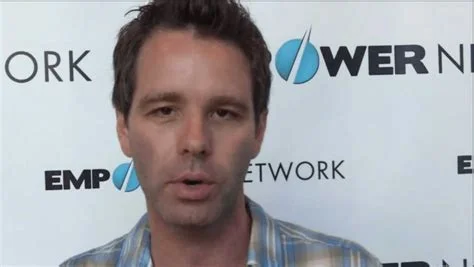
Glenn Arcaro (BitConnect)
Pled Guilty: 2021
Charges: Conspiracy to commit wire fraud
Details: U.S. promoter of BitConnect’s fraudulent lending platform. BitConnect operated a $2+ billion Ponzi scheme under the guise of a “trading bot.”
Sentence: Awaiting final sentencing. Ordered to repay over $17 million to victims.

Le Anh Traun (Baller Ape Club)
Pled Guilty: 2022
Charges: Conspiracy to commit wire fraud and international money laundering
Details: Creator of an NFT rug pull scheme. Collected $2.6 million from buyers before deleting the site and laundering funds via chain-hopping.
Status: Facing up to 40 years in prison; sentencing pending.
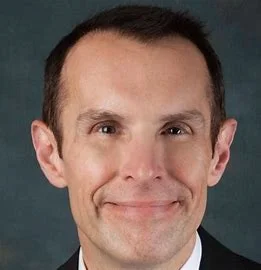
Michael Alan Stollery (Titanium Blockchain)
Pled Guilty: 2022
Charges: Securities fraud
Details: 4 years and 3 months in prison; ordered to pay over $5.4 million in restitution
Details: Raised $21 million via a fraudulent ICO. Admitted to falsifying parts of the white paper and investor materials.
Criminals
Why Are Regulators Suing Crypto Companies?
The SEC, DOJ, CFTC, and state attorneys general have stepped up legal action against crypto companies. These include crypto exchanges, DeFi protocols, token issuers, and NFT marketplaces. High-profile cases, like SEC v. Ripple, DOJ v. Tornado Cash, and SEC v. Coinbase and Binance, show that regulators are serious about enforcing laws in the crypto space. Here’s why:
Fraud and Misleading Claims
Some crypto companies make false promises to attract investors. They might say that their investments are “safe” or “government-insured” when they aren’t. For example, companies in Nigeria claimed customer deposits were protected like bank savings, but that wasn’t true. These lies can hurt investors, so regulators take action to stop them.
Unfair Business Practices
Many crypto firms exaggerate how much people can earn, offering “high returns with no risk.” These are often signs of scams, like Ponzi schemes. Regulators such as the FTC (Federal Trade Commission) sue companies that use these tactics to trick people into investing in risky or fake assets.
Protecting Consumers from Scams
Crypto markets often lack clear rules, which makes it easier for scammers to take advantage of people. Some fraudsters promote fake coins or projects, convincing people to send money and then disappearing. Agencies like the CFPB (Consumer Financial Protection Bureau) want to stop these scams and protect consumers from losing their savings.
Data Privacy and Security
Crypto apps and platforms collect sensitive information from users, like identity documents and bank details. If companies don’t secure this data properly, it can be hacked or misused. Regulators like the FTC are investigating whether crypto firms are violating privacy laws or failing to protect user data.
Preventing Money Laundering
Because crypto transactions can be anonymous, some people use them to move illegal money or fund terrorism. Regulators are suing companies that don’t have strong anti-money laundering systems in place. Agencies like the DOJ (Department of Justice) and FinCEN (Financial Crimes Enforcement Network) want crypto platforms to follow the same rules as banks to track and report suspicious activity.
Defining What Counts as a Security
A big legal question is whether certain tokens are actually securities (like stocks). If they are, companies must follow strict rules under U.S. law. The SEC v. Ripple case questioned whether XRP was a security. More recently, the SEC sued Uniswap and OpenSea over how tokens and NFTs are traded. These cases could shape how crypto is regulated in the future.
Regulating Exchanges and DeFi Platforms
Major exchanges like Coinbase, Binance, and Kraken have been sued for allegedly acting like securities brokers without registering. DeFi apps are also under fire for offering financial services without following the rules. Regulators want these platforms to meet the same standards as traditional financial institutions.
Regulation
How Are Crypto Lawsuits Shaping Regulation?
These lawsuits are reshaping the rules around what counts as a security, how crypto platforms should operate, and how governments enforce compliance. These court battles are setting new legal standards for the crypto industry.
Regulating Stablecoins and Market Stability
Key Case: SEC v. Terraform Labs (2022–2024)
The collapse of Terraform Labs’ algorithmic stablecoin, TerraUSD, led to significant investor losses and market turmoil. The SEC sued Terraform Labs and its founder, Do Kwon, alleging fraud and unregistered securities offerings. In April 2024, a jury found both liable for securities fraud, resulting in a $4.5 billion settlement.
Legal Pushback Against SEC Authority
Key case
As the SEC intensifies enforcement in the crypto space, it’s facing mounting legal resistance from both private firms and state governments. In 2024, crypto futures exchange Bitnomial sued the SEC, claiming the agency overstepped its authority by attempting to regulate XRP futures products that Bitnomial argues fall under the jurisdiction of the Commodity Futures Trading Commission (CFTC).
That same year, 18 U.S. state attorneys general jointly filed a lawsuit against the SEC, alleging unconstitutional overreach. Their argument: the SEC’s aggressive approach to digital asset regulation violates states’ rights and exceeds its statutory powers. Together, these legal battles may compel courts and ultimately Congress to clarify the boundaries of regulatory authority in the crypto space.
Conclusion
Crypto lawsuits from 2019 to 2025 have changed how the industry works and how it’s viewed by the public and regulators.
They’ve shown that many crypto companies can’t just operate without oversight and must follow laws similar to those for banks, stock markets, and traditional finance. These court cases have exposed fraud, poor business practices, and major security gaps, leading to billions in fines, bankruptcies, and even prison time.
As a result, many platforms are now under pressure to be more honest, protect user funds, and clearly explain their products. These lawsuits also highlight the growing efforts by governments to protect everyday people from scams and financial loss.
SEC.gov, Justice.gov , Reuters , Coindesk , BeInCrypto , Dechert Law , SEC , CTFC , Forbes
Concerning
Other
Join the official Telegram Channel
