
A fork refers to a situation where a blockchain splits into two separate paths. This can occur when there is a change in the protocol or rules governing the blockchain, leading to differing opinions among participants.There are two main types of forks: soft forks and hard forks. A soft fork is a backwards-compatible change, meaning it allows for new and old nodes to work together on the same blockchain. In this case, only the rules get updated, but the overall chain remains the same. On the other hand, a hard fork results in a permanent divergence from the original blockchain. This occurs when there are incompatible changes that old nodes cannot follow, creating an entirely new version of the blockchain. Well-known examples include Bitcoin Cash, which emerged from a hard fork of Bitcoin.Forks can lead to the creation of new cryptocurrencies, as seen in various projects aiming to implement different features or governance models. They often spark debates within the community about the future direction of a particular blockchain.
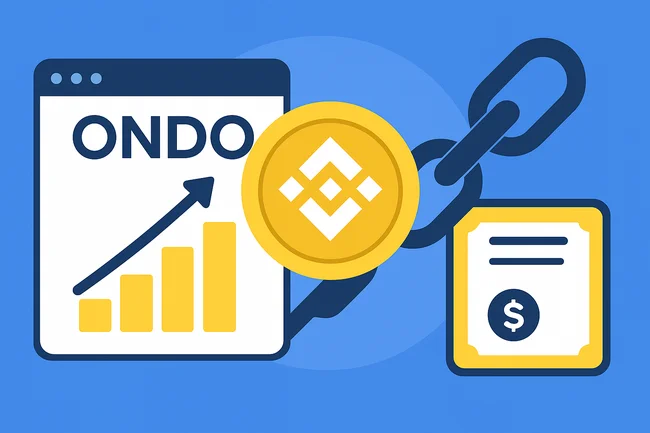
Ondo Global Markets Expands Tokenized Stock Platform to BNB Chain
Ondo Global Markets, a tokenized stock and exchange-traded fund (ETF) platform, has expanded its operations to BNB Chain, one of


