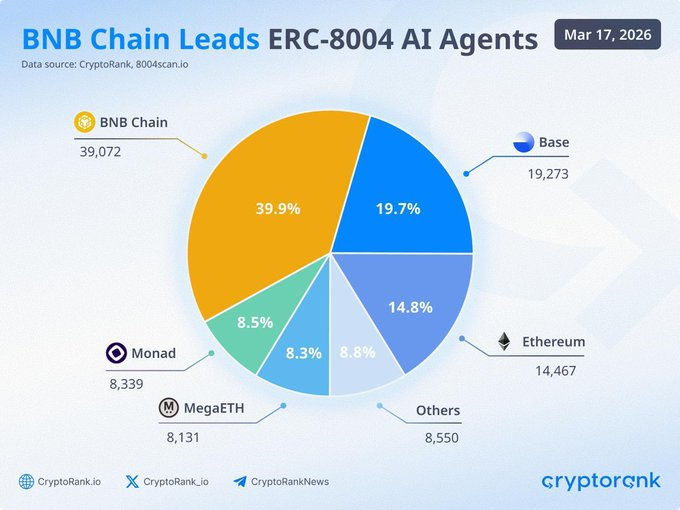
Reputation-Based Decision Making refers to the process where users or entities make choices based on the perceived credibility or trustworthiness of others within a network. In this scenario, individuals assess the reputation of peers, projects, or platforms before engaging in transactions or collaborations.Reputation usually derives from a history of behavior, feedback from other users, and the success of past interactions. Higher reputation scores may lead to increased trust, resulting in more opportunities for collaboration or participation in networks. This approach functions as a form of social proof, helping users navigate an environment where anonymity may make it difficult to gauge reliability. By relying on reputation, individuals can minimize risks associated with fraud or poor-quality services while fostering a community built on trust and accountability. Ultimately, it influences decisions on trading, investing, or even participating in governance within decentralized platforms. The effectiveness of this system highly depends on the mechanisms in place for building and maintaining reputations.

The CFTC and SEC Have Jointly Issued New Guidance Clarifying How U.S. Securities and Commodities Laws Apply to Crypto Assets, Introducing a Clearer Token Taxonomy
In a significant shift for the U.S. crypto regulatory landscape, the Securities and Exchange Commission (SEC) and the Commodity Futures