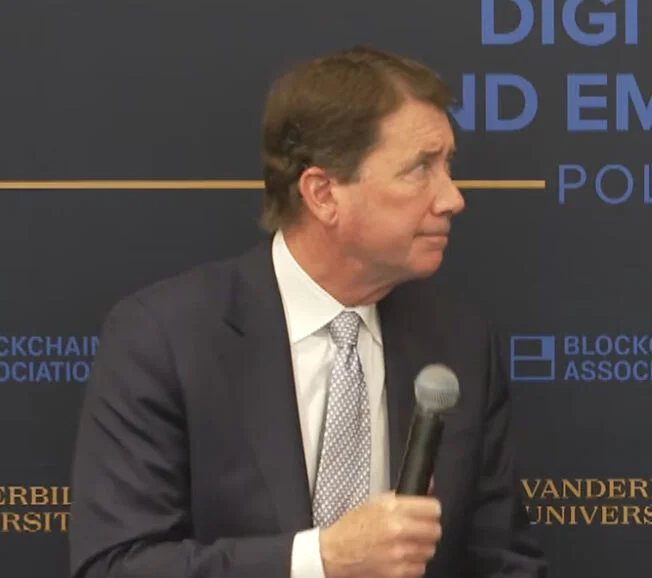
On November 20, 2025, Texas executed a $5 million purchase of Bitcoin exposure using BlackRock’s iShares Bitcoin Trust (IBIT), marking the state’s first step into the crypto treasury market.
The entry point reportedly reflected a Bitcoin price of around $87,000 during a temporary market dip. With an approved allocation of $10 million, Texas has half of its reserve capacity still available for future acquisitions.
This purchase stems directly from Senate Bill 21, signed into law in June 2025, which authorizes the state to hold digital assets such as Bitcoin as part of its long-term reserves.
According to public filings, the law includes oversight, mandatory reporting, and regulatory compliance procedures regarding custody and transparency.
Lee Bratcher, President of the Texas Blockchain Council, confirmed the transaction shortly after it was executed, noting that treasury officers had been monitoring the market and waiting for a strategic entry level.
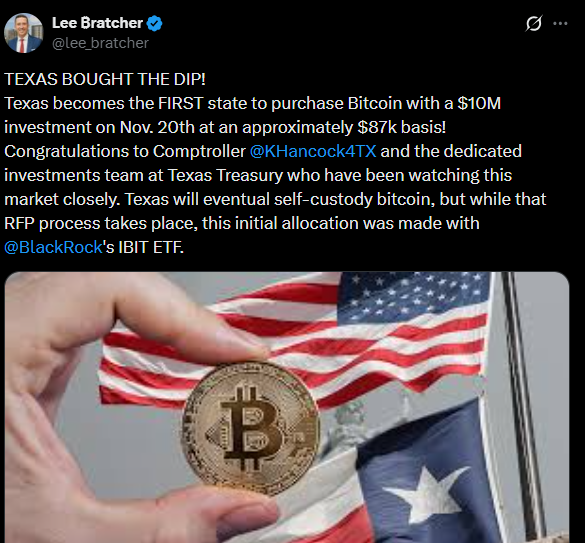
ETF First—Self-Custody Next
State officials have clarified that buying IBIT shares is a transitional measure. The ETF gives Texas exposure to Bitcoin’s price movement but does not provide direct ownership of Bitcoin on-chain.
A request-for-proposals process is scheduled for early 2026, during which the state will select a custodian to manage private-key holdings once Texas shifts from ETF exposure to direct self-custody. That structure is expected to include cold storage solutions—meaning offline, secure storage mechanisms.
In essence, Texas bought price exposure first, and will later convert that exposure into actual Bitcoin holdings controlled by the state itself. This stepwise strategy mirrors institutional frameworks and risk-management procedures seen in major financial entities.
Symbolism and Market Impact
While a $10 million allocation may be small in the context of state-level financial reserves, the symbolic effect is immense. Texas is the first state to officially acknowledge Bitcoin as a treasury-grade asset—placing it conceptually alongside gold and other long-term hedges.
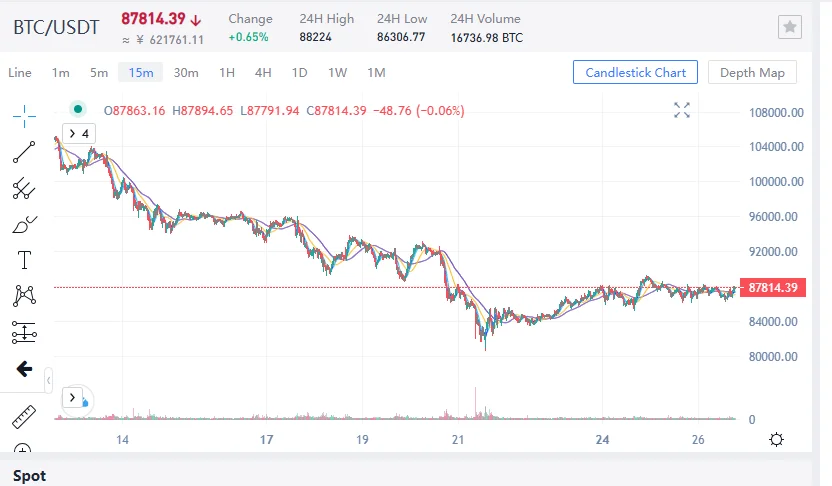
The timing is noteworthy. Bitcoin recently endured a 40% decline from its all-time high of $127,000 before stabilizing in the low-to-mid $80,000 range. At the time of the Texas purchase, Bitcoin had dipped to around $87,000 and is now attempting to reclaim the $90,000 level ahead of month-end.
Analysts believe Texas’s public endorsement of Bitcoin signals shifting sentiment—moving from speculation toward institutional acceptance. Legislators in other states are reportedly monitoring the move closely, and discussions are already underway in several jurisdictions regarding whether public funds should be diversified into digital assets.
Broader Political Context
Texas’s actions also reflect a national shift in policy tone. The federal government under President Trump, now in his second term, has taken a notably different posture on cryptocurrency compared to earlier years.
The administration has supported state-level adoption frameworks and permitted treasury-based digital-asset accumulation programs.
In Texas, this translates to the Comptroller’s office being empowered to include digital assets in long-term reserves as part of a broader financial-sovereignty strategy.
Transparency and Accountability
Senate Bill 21 mandates public reporting of Bitcoin reserve status, movement of funds, and custody upgrades. The state must also document any future purchases made using the remaining $5 million allocation. The reporting schedule ensures that taxpayers and lawmakers can monitor how the reserve evolves.
Officials maintain the initiative is motivated by long-term financial planning rather than short-term trading. The reserve is described as a hedge against inflation, erosion of purchasing power, and exposure to national debt risk—functions typically attributed to stores of value like gold.
Looking Ahead
Texas’s move is more than a financial position—it is a declaration. A U.S. state is now officially treating Bitcoin as a strategic asset worth holding for the future.
If other states follow—especially large-budget jurisdictions—this could drive a nationwide change in government-reserve composition. Some analysts speculate that if even a fraction of U.S. state treasuries adopt similar policies, it could deepen market liquidity, reduce sell pressure, and contribute to Bitcoin’s maturation as a recognized financial commodity.
For now, Texas stands alone—but likely not for long. As one state official put it during internal briefing discussions, the intention is simple: “We’re preparing for the future—and Bitcoin is part of it.”