The U.S. Senate has approved a rule that prevents lawmakers and their staff from participating in prediction markets. The measure, finalized on April 30, reflects concern that officials could use privileged information to profit from event-based betting platforms.
The rule amends internal Senate guidelines and takes effect immediately. It bars senators and Senate employees from entering financial arrangements tied to the outcome of future events, effectively banning activity on platforms where users speculate on elections, geopolitical developments, or economic outcomes.
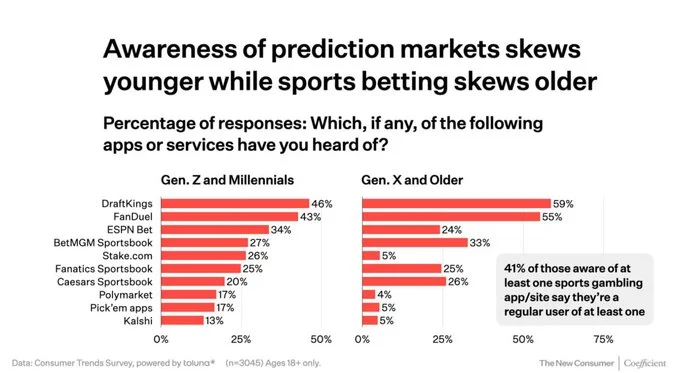
Prediction markets such as Kalshi and Polymarket have grown in popularity, allowing users to trade contracts based on the likelihood of specific events. These platforms operate in a way similar to financial markets but focus on probabilities instead of traditional assets.
Supporters say prediction markets can improve forecasting. Critics argue they create opportunities for misuse, especially when participants may have access to confidential or market-moving information.
Concerns have increased as investigations and incidents have highlighted the risk of insiders using nonpublic information for profit. Lawmakers see this as a threat to market integrity and public trust.
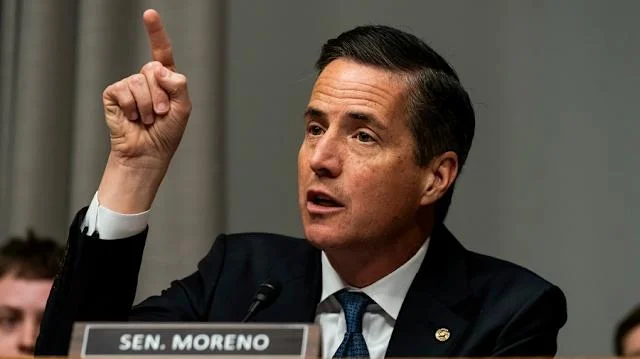
The rule was introduced by Senator Bernie Moreno of Ohio, who described it as an ethics issue. He said lawmakers should not engage in speculative activities while holding public office.
The measure passed by voice vote, with no objections. It also applies to Senate staff, recognizing that aides may have access to sensitive information that could influence market outcomes.
Major prediction market platforms have supported the decision. Polymarket said its policies already prohibit insider trading and described the rule as a step that could strengthen trust in the sector.
Kalshi’s leadership also backed the move, noting that the platform already blocks members of Congress from trading and has compliance systems to prevent misuse of information.
Several incidents contributed to increased scrutiny. In one case, a U.S. Army soldier was accused of using classified information to place bets on a market tied to a military operation involving Venezuelan leader Nicolás Maduro. Prosecutors said the individual earned large profits from the activity.
Kalshi also reported suspending and fining political candidates who traded on outcomes related to their own campaigns, raising concerns about conflicts of interest.
Other contracts tied to sensitive topics, including war outcomes and the deaths of public figures, have raised ethical questions and drawn criticism.
The Senate’s action is part of broader efforts to regulate prediction markets. Some lawmakers have called on the Commodity Futures Trading Commission to introduce stricter rules for event contracts, including limits on markets tied to elections, military actions, or government decisions.
Additional proposals aim to restrict wagering on government-related events altogether. Some state governments have also taken steps to limit participation by public employees who may have access to nonpublic information.
The Senate rule applies only to its members and staff, but it signals a wider shift. Lawmakers are urging other branches of government to adopt similar restrictions.
For the prediction market industry, removing participants with insider access could improve transparency and credibility.
Akindele T. Francis is a versatile content writer with extensive experience spanning various sectors. Specializing in blog posts, website content, service pages, compelling sales copy, etc., Akindele has collaborated with numerous agencies to deliver engaging and effective written material. With a keen eye for detail and a passion for crafting impactful narratives, Akindele consistently exceeds client expectations, driving results and enhancing brand messaging across diverse platforms.
Disclaimer: This article is intended solely for informational purposes and should not be considered trading or investment advice. Nothing herein should be construed as financial, legal, or tax advice. Trading or investing in cryptocurrencies carries a considerable risk of financial loss. Always conduct due diligence before making any trading or investment decisions.
Trade with proof of Reserves
UEEx publish monthly audits and third party verification on every listed market.