
Second-generation blockchain refers to an evolution of the original blockchain technology, which primarily focused on facilitating peer-to-peer transactions. This new iteration expands the capabilities beyond simple currency transfers to support more complex applications.One significant feature of second-generation blockchain is the introduction of smart contracts. These are self-executing contracts with the terms of the agreement directly written into code. Smart contracts automate processes and facilitate trust between parties, minimizing the need for intermediaries.Platforms like Ethereum represent this generation, allowing developers to build decentralized applications (dApps) that run on its blockchain. With the ability to create and deploy smart contracts, second-generation blockchains have enabled various use cases, including decentralized finance (DeFi), supply chain tracking, and tokenization of assets.Overall, second-generation blockchain contributes to a more versatile and functional ecosystem, paving the way for new innovations and applications in the technology space.
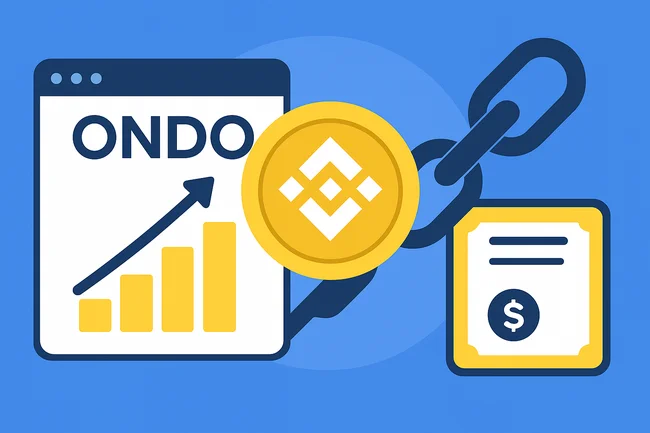
Ondo Global Markets Expands Tokenized Stock Platform to BNB Chain
Ondo Global Markets, a tokenized stock and exchange-traded fund (ETF) platform, has expanded its operations to BNB Chain, one of


