
BYOD, or Bring Your Own Device, refers to a policy that allows individuals to use their personal devices, such as smartphones, tablets, or laptops, for work-related activities. In the context of cryptocurrency, this can involve accessing exchanges, digital wallets, and blockchain applications from personal devices.The BYOD approach can enhance convenience and flexibility, enabling users to manage their crypto holdings or trades from anywhere. However, it also raises significant security concerns. Personal devices may lack robust security measures, making them vulnerable to hacking, malware, or unauthorized access.Organizations that implement a BYOD policy in cryptocurrency need to establish guidelines to protect sensitive data. This might include requiring encryption, implementing two-factor authentication, and providing education on safe practices. Such measures help to mitigate risks associated with using personal devices for crypto transactions while still allowing users the freedom to engage with their assets.Overall, a BYOD policy can streamline processes in the cryptocurrency space, but it requires careful consideration of security protocols to safeguard both individual and organizational assets.
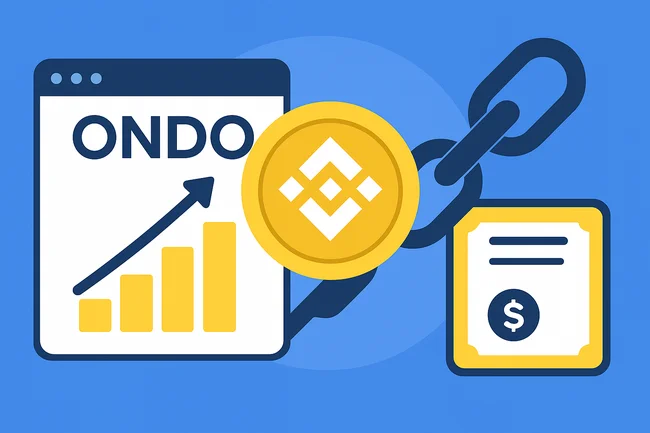
Ondo Global Markets Expands Tokenized Stock Platform to BNB Chain
Ondo Global Markets, a tokenized stock and exchange-traded fund (ETF) platform, has expanded its operations to BNB Chain, one of


