
Fair governance models in cryptocurrency aim to create systems that ensure equitable decision-making and stakeholder participation. These models are designed to prevent centralization of power and promote transparency.One key aspect is decentralization, where control is distributed among a network of participants rather than being concentrated in a single entity. This helps to reduce the chances of manipulation or undue influence.Incorporating voting mechanisms is another critical element. Stakeholders can express their opinions on protocol changes, fund allocation, and other governance matters. This democratic approach encourages active involvement from the community.Moreover, fair governance models often emphasize inclusivity by allowing diverse contributions. By welcoming a wider variety of voices, these models strive for balanced representation and fair outcomes.Lastly, accountability measures are crucial. They ensure that decisions made by the governing body can be scrutinized and challenged, fostering a culture of responsibility and trust among participants. Together, these elements create frameworks that prioritize fairness and community engagement, enhancing the overall integrity and longevity of the cryptocurrency ecosystem.
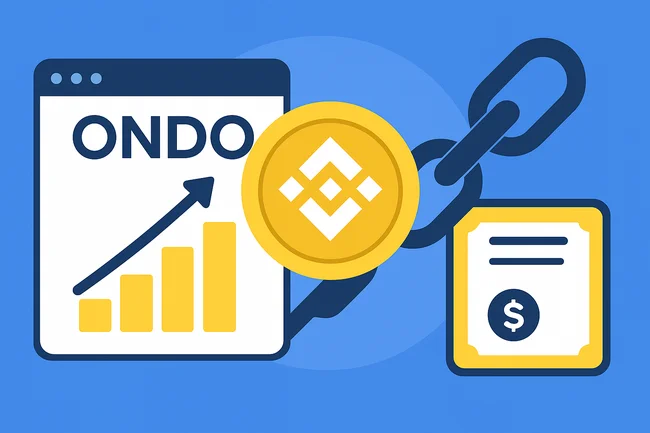
Ondo Global Markets Expands Tokenized Stock Platform to BNB Chain
Ondo Global Markets, a tokenized stock and exchange-traded fund (ETF) platform, has expanded its operations to BNB Chain, one of


