
On-chain decision making refers to the process of executing decisions directly on a blockchain. It involves using smart contracts to automate actions based on predefined conditions. These contracts self-execute when certain criteria are met, ensuring transparency and immutability.This method allows participants to make choices collectively, often via decentralized governance. Token holders can vote on proposals that are then coded into smart contracts, facilitating trustless and democratized decision-making.Advantages include reduced reliance on intermediaries, faster execution, and increased security. On-chain processes are recorded permanently, making it easy to track decisions and their outcomes.However, there are challenges. Scalability can be an issue, as complex decisions may require significant computational resources. Additionally, once a decision is made on-chain, it usually cannot be reversed, necessitating careful planning and consensus among participants. Overall, on-chain decision making enhances transparency and efficiency, promoting a more decentralized approach to governance and collaboration.
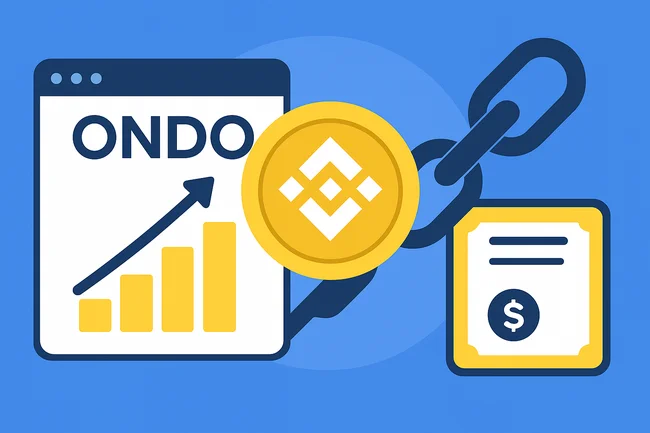
Ondo Global Markets Expands Tokenized Stock Platform to BNB Chain
Ondo Global Markets, a tokenized stock and exchange-traded fund (ETF) platform, has expanded its operations to BNB Chain, one of


