
Stakeholder influence on governance in cryptocurrency refers to the impact that various participants within the ecosystem have on decision-making processes affecting a blockchain network. These stakeholders include developers, miners, investors, community members, and users.Different groups have varying degrees of power and interests. For instance, developers may prioritize technological advancements, while investors focus on financial returns. Miners might be concerned with transaction validation and reward structures. This diversity can lead to conflicts or collaboration, shaping the network’s policies and upgrades.Governance mechanisms can vary widely, ranging from centralized decision-making by core developers to decentralized models where token holders vote on proposals. The level of transparency and stakeholder engagement can significantly influence governance effectiveness, as well-informed stakeholders are more likely to contribute positively.Ultimately, how stakeholders interact and exert influence reflects their interests and priorities, which can determine the sustainability, security, and evolution of the network. Understanding these dynamics is crucial for fostering a healthy ecosystem that meets the needs of its diverse participants.
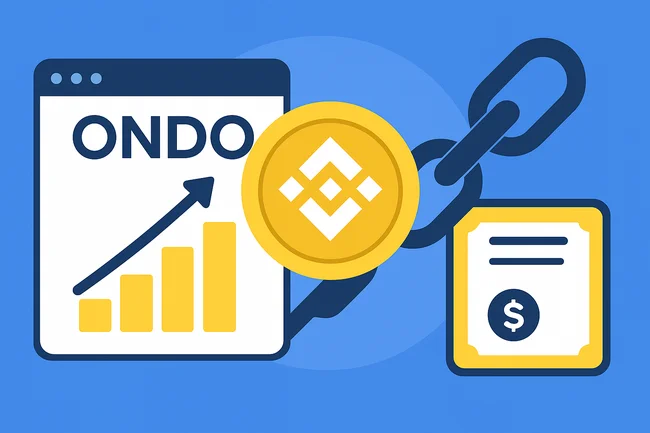
Ondo Global Markets Expands Tokenized Stock Platform to BNB Chain
Ondo Global Markets, a tokenized stock and exchange-traded fund (ETF) platform, has expanded its operations to BNB Chain, one of


