A picture is worth a thousand words, though a few dozen lines of code can generate a thousand unique pictures on their own. NFT de arte generativo are digital artworks built from an artist’s algorithm and recorded permanently on a blockchain as non-fungible tokens, often created at the exact second a buyer clicks mint.
Instead of drawing each piece by hand, creators program visual rules and controlled randomness so every collector gets a mathematically distinct output.
Below, you can see how seed-based minting works, compare Art Blocks and fxhash, review 2026 volume figures, and check key collector risks.
Los NFT de arte generativo son obras de arte digitales creadas mediante algoritmos o código. En lugar de que un artista dibuje cada detalle, este establece reglas y luego la computadora genera aleatoriamente la imagen final. Cada pieza es única y, a menudo, no se puede recrear con exactitud.
Este estilo artístico no es nuevo; se remonta a las décadas de 1950 y 60, cuando pioneros como Harold Cohen y Vera Molnár usaban máquinas para ayudar a hacer arte.
Cuando se vincula a un NFT, cada obra de arte generativa se convierte en un objeto coleccionable único. Algunos proyectos incluso permiten que la propia cadena de bloques participe en la creación del arte, de modo que cuando se acuña un NFT, la imagen se genera en tiempo real, exclusivamente para el usuario.
How Does the Generative Art NFT Creation Process Work?
The creation sequence follows four steps:
Rule programming: The artist writes code specifying geometry, color ratios, recursion rules, and layout constraints.
Probability weighting: The script assigns rarity weights to specific traits, making certain palettes or structures appear in only 1% or 2% of possible runs.
Seed initialization: A random number generator takes a unique hexadecimal seed string to determine every variable in the script.
Mint-time execution: When a collector confirms a mint transaction, the blockchain transaction hash feeds into the script as its seed.
Because the seed comes from your live transaction hash, nobody not even the artist can preview your exact piece before purchase. You buy into the artist’s system of probabilities, knowing the visual style of the collection without knowing which specific combination you will receive.
What Software Tools Do Generative Artists Use?
La creación de arte generativo generalmente implica el uso de código, y existen toneladas de herramientas para ayudar a los artistas a comenzar.
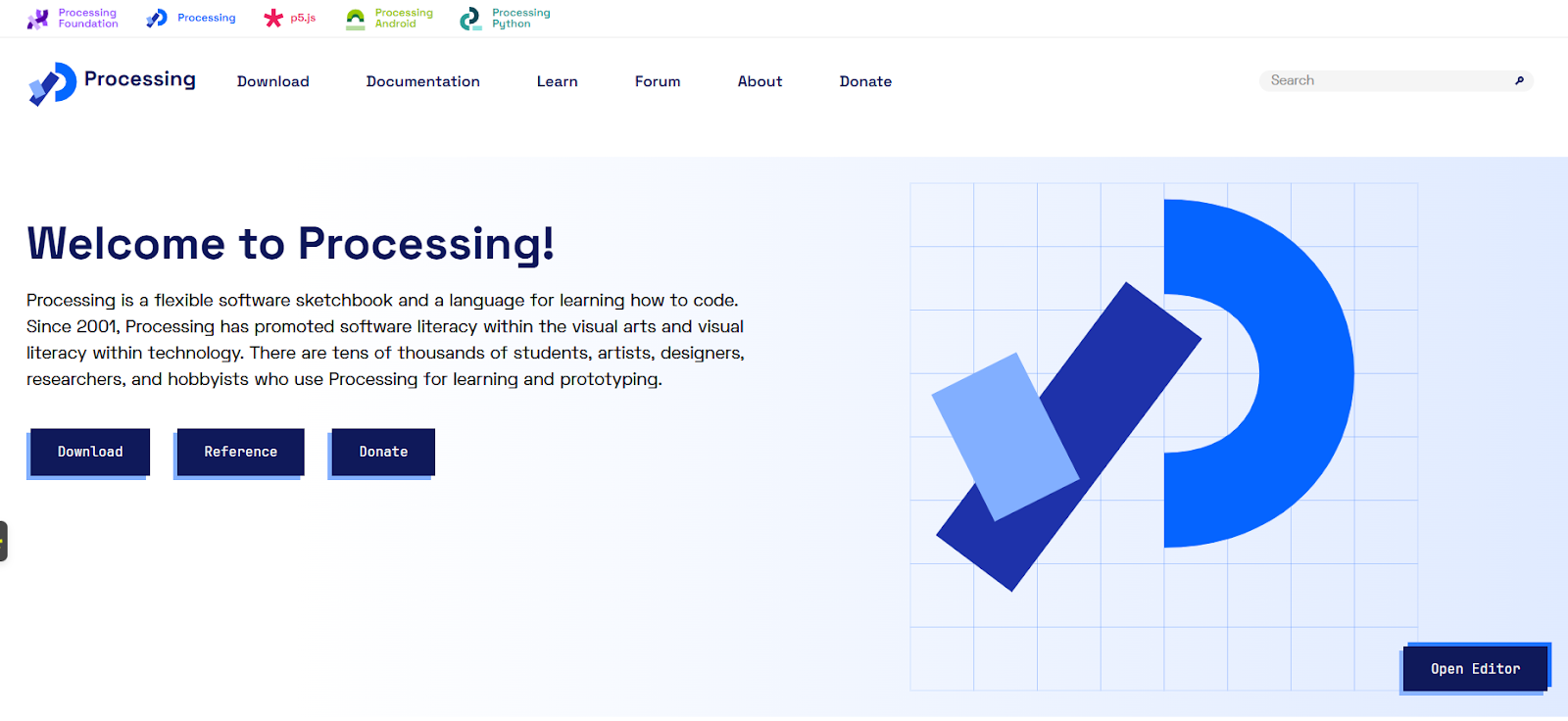
Esta es una de las herramientas más populares para principiantes. Fue diseñada para ayudar a artistas y diseñadores a aprender a programar visualmente. Utiliza su lenguaje de programación, basado en Java, y facilita el dibujo de formas, la animación y la creación de arte interactivo.
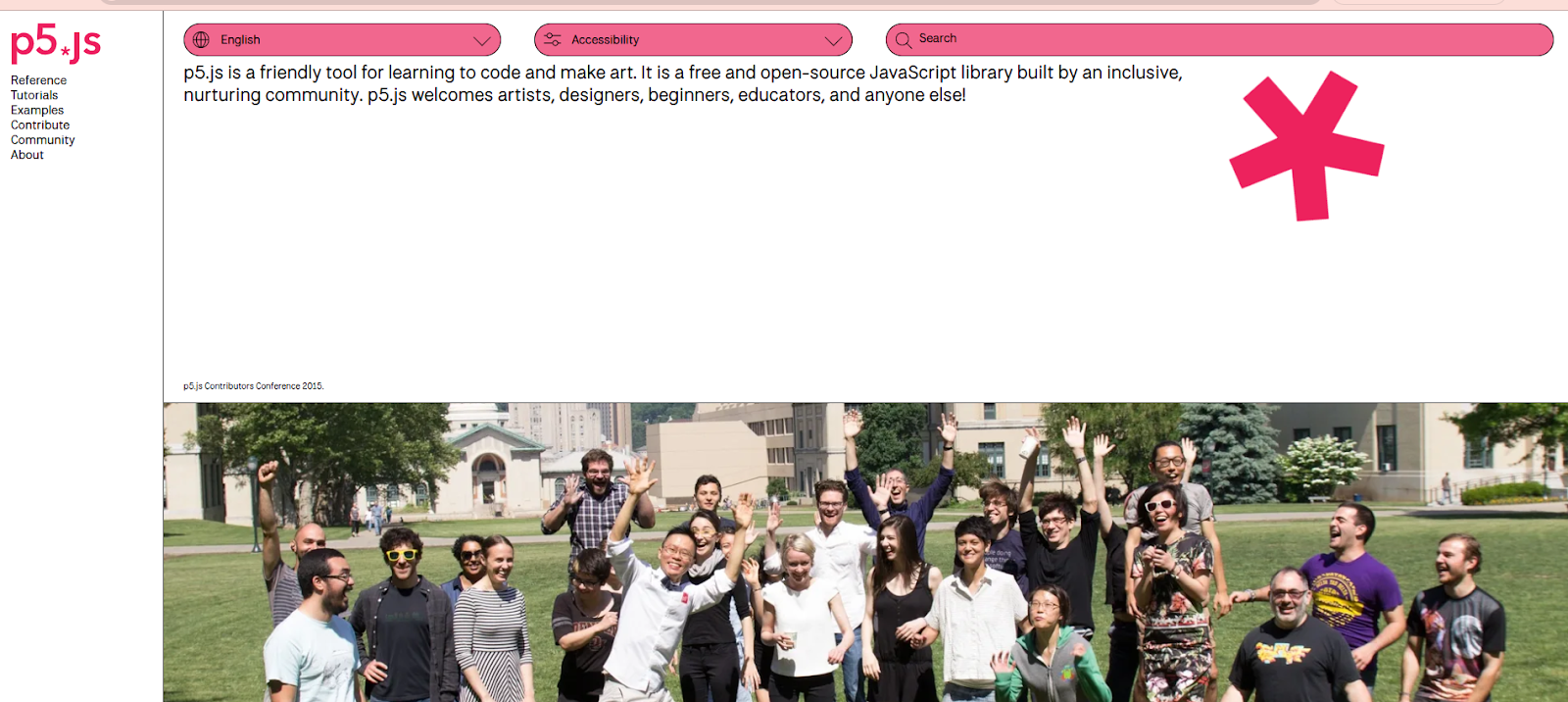
Un primo cercano de Processing es p5.js, which is a version of Processing that works in your web browser using JavaScript.
This means you can write code and see the results right away on a webpage. It’s perfect for artists who want to make digital artwork that lives online or who are already familiar with JavaScript.
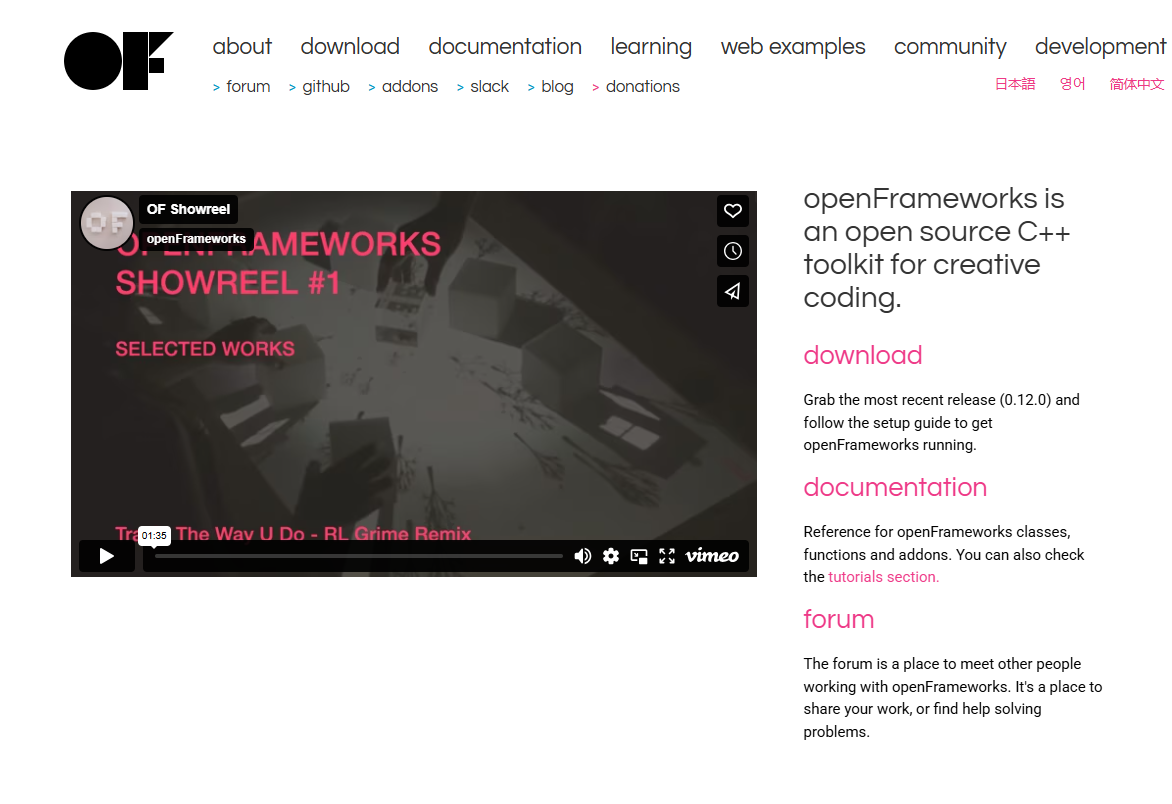
This is another powerful tool. It’s for people who are more experienced with coding, especially in the C++ language.
Esta herramienta ofrece a los artistas más control y flexibilidad para crear arte complejo, interactivo y de rápido desempeño, a menudo utilizado en grandes instalaciones o representaciones.
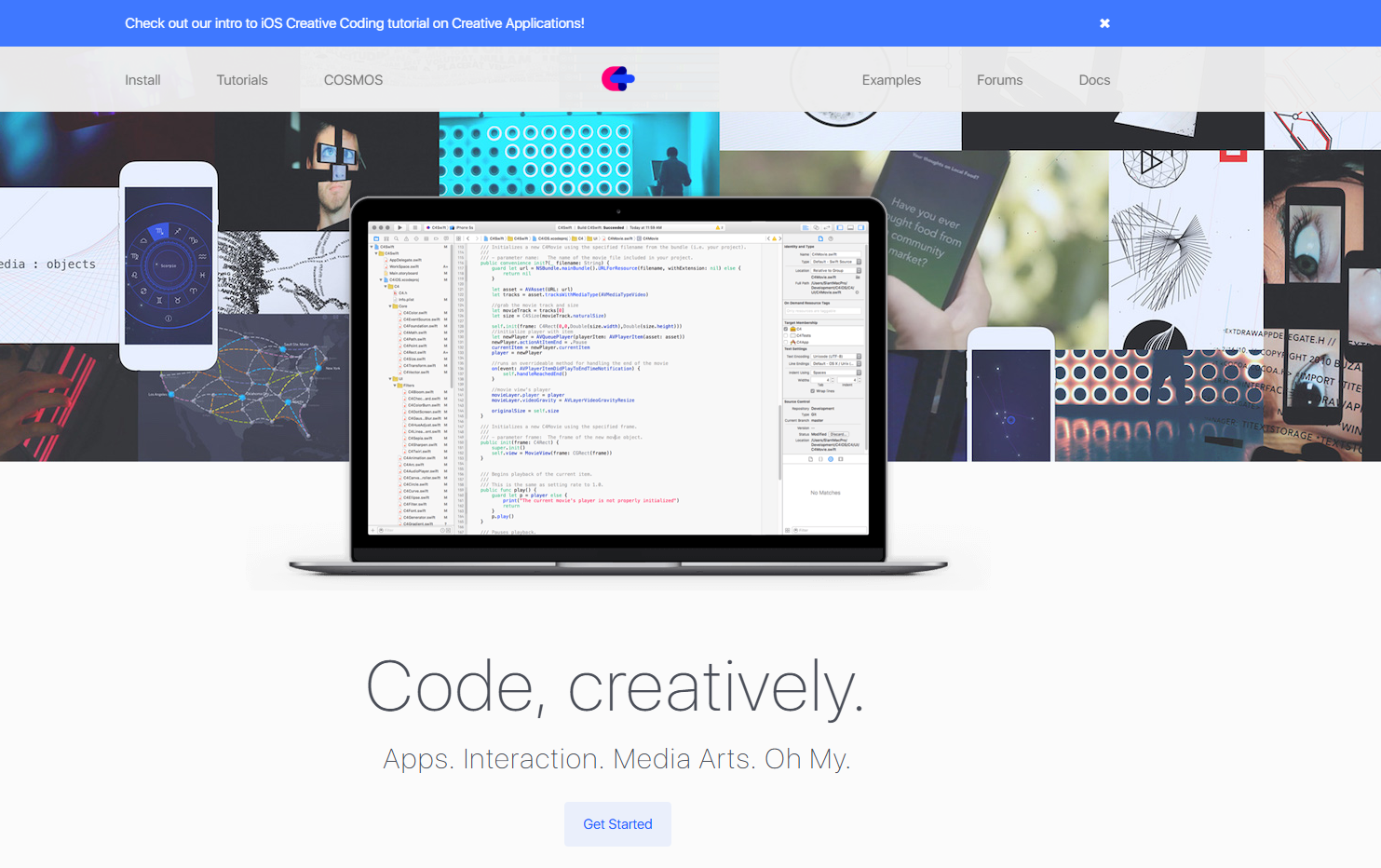
Si quieres crear arte generativo en dispositivos Apple, existe C4 . Esta herramienta está diseñada para iOS y permite a los artistas crear arte visual interactivo directamente en iPhones o iPads. Está más enfocada en proyectos artísticos para dispositivos móviles.
Únase a UEEx
Experimente la plataforma líder mundial de gestión de patrimonio digital
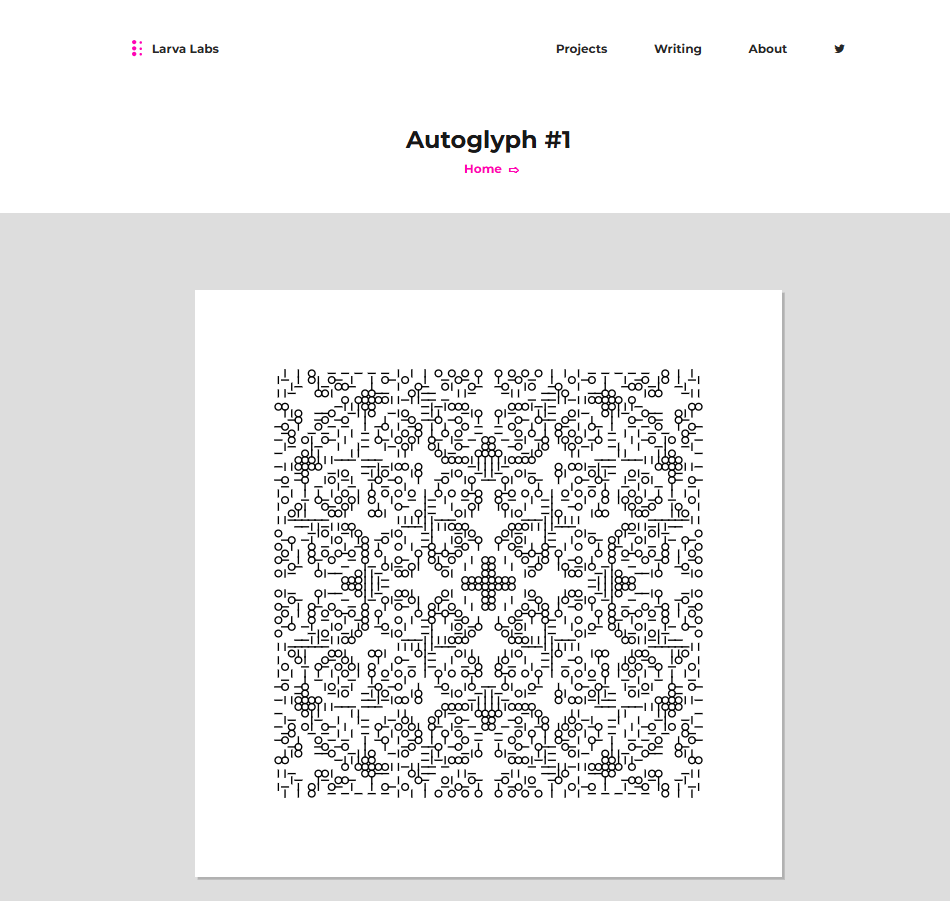
Larva Labs es famoso por su proyecto anterior, CryptoPunks, pero Autoglyphs llevó las cosas aún más lejos.
Este proyecto se considera el primero completamente en cadena arte generativo NFT, lo que significa que el arte se creó y almacenó directamente en la cadena de bloques Ethereum.
That’s a big deal because it makes the art permanent and decentralized. Autoglyphs were created using code, with each piece being unique, and the entire process is part of the blockchain itself. This collection made about 41 millones de dólares en ventas totales.
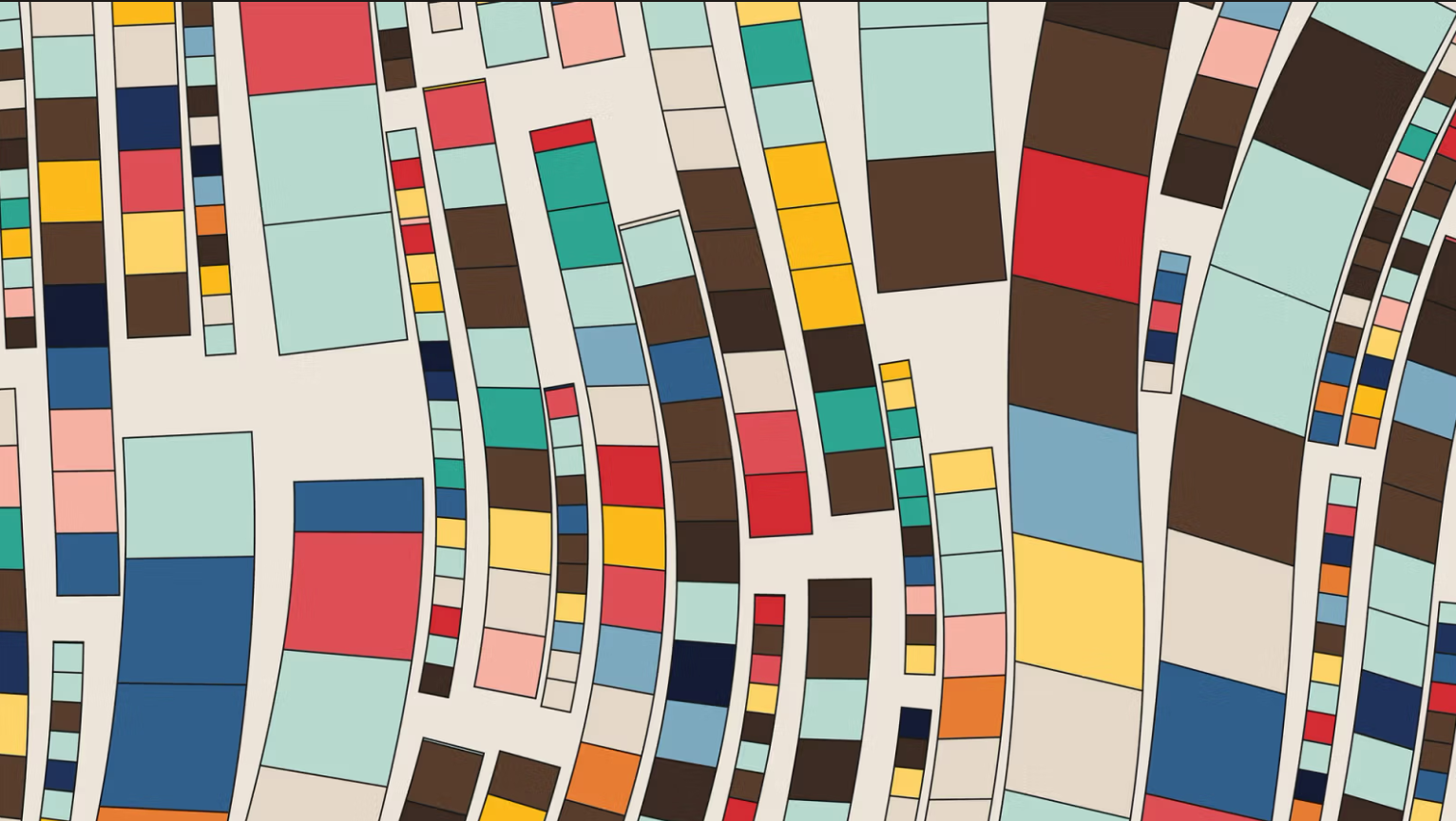
Cada obra de arte de Fidenza se genera mediante un algoritmo que utiliza curvas estructuradas y fluidas y bloques de colores.
Cuando alguien compraba una pieza, no sabía exactamente qué obtendría hasta que el sistema ejecutaba el algoritmo utilizando los datos de la transacción del comprador, produciendo un resultado aleatorio pero bellamente organizado.
Su singularidad e imprevisibilidad la hicieron increíblemente valiosa. Esta colección se creó alrededor de... $ 35.9 millones de dólares en ventas.
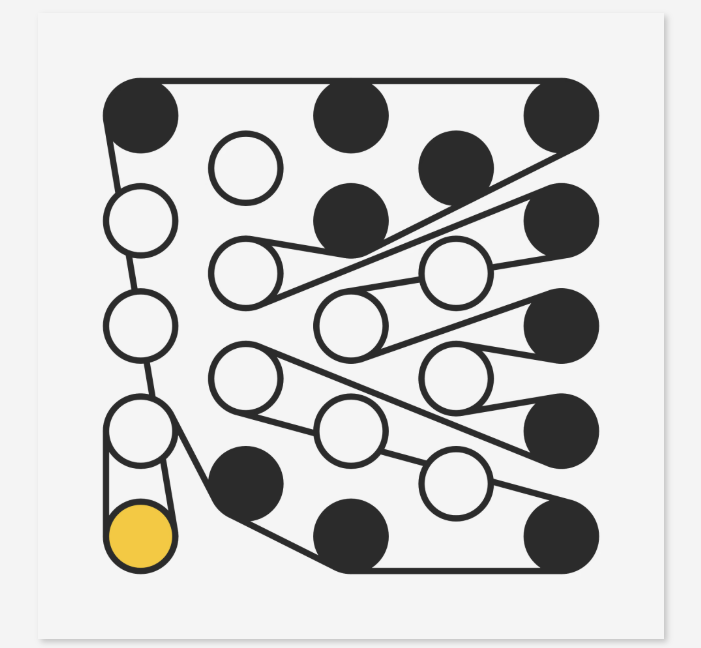
Esta es otra gran colección de Art Blocks. Esta colección presenta arte sencillo pero elegante, compuesto por cuerdas enrolladas en clavijas.
El algoritmo detrás de Ringers decide el diseño y la complejidad de cada pieza, y con 1,000 variaciones diferentes, los diseños pueden ser intrincados o mínimos.
Uno de los Ringers más famosos, el número 879, se vendió por una suma sorprendente de 5.9 millones de dólares, lo que demuestra cómo el arte generativo puede alcanzar un alto valor.
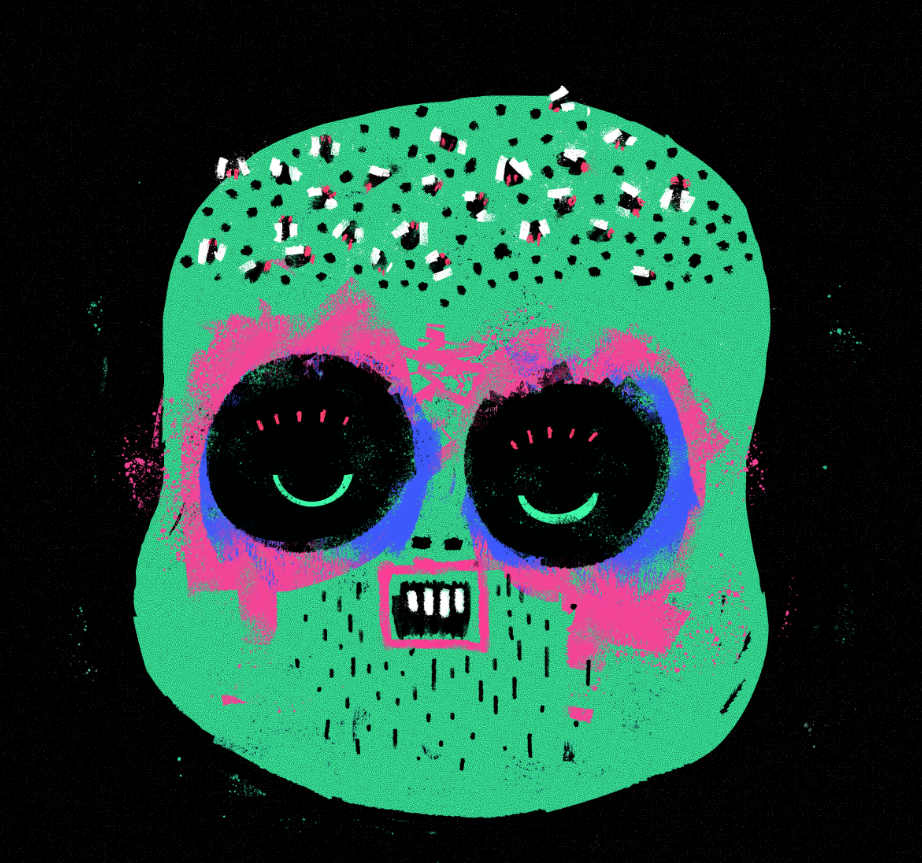
El estilo de XCOPY es único, utiliza una estética caótica, casi punk, con colores brillantes y líneas irregulares.
La serie Grifters incluye 666 piezas y refleja temas de identidad, anonimato, y la cultura de Internet.
XCOPY es también el artista detrás del meme " Right-Click and Save As Guy" (El tipo que hace clic derecho y guarda como) , que critica cómo algunas personas malinterpretan los NFT.
How Do Generative Art NFTs Differ from AI-Generated Art?
Generative art NFTs rely on explicit, artist-written code where a specific seed always reproduces the exact same image.
AI-generated art relies on machine learning models trained on external image datasets that interpret text prompts probabilistically, giving the creator far less direct control over every visual rule.
In code-based generative art, every geometric angle, color rule, and random boundary lives inside human-authored software.
The relationship between input and output is deterministic: feeding the same transaction hash into the same script yields the exact same pixel arrangement every single time.
By contrast, generative AI image tools infer patterns from millions of existing images. When you enter a text prompt, a neural network samples learned weights rather than executing transparent geometric rules.
While hybrid artists sometimes feed algorithmic outputs into neural models, major curated NFT platforms still separate deterministic on-chain code from prompt-based AI generation.
Which Platforms Are Best for Buying and Selling Generative Art NFTs?
Art Blocks (Ethereum): Remains the benchmark for curated generative drops, the platform licenses its mint-time generation infrastructure to partner brands and institutions, building on ~$1.47 billion in cumulative primary and secondary volume across ~273,000 transactions through mid-2024.
fxhash (Tezos): Operates without a centralized curation gate, allowing any coder to deploy a generative project at minimal Tezos gas cost. Open access creates wide creative variety alongside uneven quality, making artist research essential.
OpenSea and Blur: Serve as secondary marketplaces for buying and selling already-minted pieces across Ethereum, Polygon, and Solana, though neither executes live mint-time generative scripts.
Preguntas frecuentes
What makes a generative art NFT different from a regular NFT?
A generative art NFT is created by an algorithm written by the artist, often executing at the exact moment you mint the token.
A regular NFT can point to any static file, such as a hand-drawn illustration, photo, or video clip, where the artist created one fixed image beforehand.
How is rarity determined in generative art collections?
Rarity comes from probability weights programmed into the artist’s code before minting begins.
If a specific color palette or geometric trait appears in only 2% of possible seed outcomes, tokens carrying that trait rank higher in statistical rarity, though visual appeal still drives actual collector demand.
Conclusión
Este concepto no sólo hace que coleccionar arte sea más emocionante, sino que también cambia la forma en que pensamos sobre la creatividad en sí.
Los NFT de arte generativo combinan tecnología y creatividad de forma innovadora. En lugar de crear cada pieza a mano, los artistas establecen las reglas y las computadoras crean la obra de arte basándose en ellas.
A medida que más artistas y coleccionistas ingresan a este espacio y blockchain sigue creciendo, es probable que el arte generativo siga volviéndose más popular.
Orebiyi Eniola es una escritora cuyo trabajo principal es el marketing de contenidos, con especialización en la industria de las criptomonedas. Dotada de una sólida trayectoria en marketing y con una pasión por crear historias impactantes, ayuda a las empresas a conectar con su público mediante una escritura estratégica y reflexiva. Orebiyi ayuda a las empresas a proyectar sus historias y alcanzar sus ambiciones mediante la fuerza de las palabras. Le gusta relajarse con sus novelas de ficción favoritas cuando no está tecleando.
Descargo de responsabilidad : Este artículo tiene fines exclusivamente informativos y no debe considerarse asesoramiento comercial ni de inversión. Nada de lo aquí expuesto debe interpretarse como asesoramiento financiero, legal o fiscal. Operar o invertir en criptomonedas conlleva un riesgo considerable de pérdida financiera. Realice siempre la debida diligencia antes de tomar cualquier decisión de inversión.
Comercio con comprobante de reservas
UEEx publica auditorías mensuales y verificaciones de terceros sobre cada mercado cotizado.
Análisis de mercado, estrategias de trading, perspectivas sobre futuros y alertas de seguridad semanales. Leído por más de 10 000 traders de criptomonedas.