
SEC Extends Review Periods for Dogecoin, XRP ETF Proposals
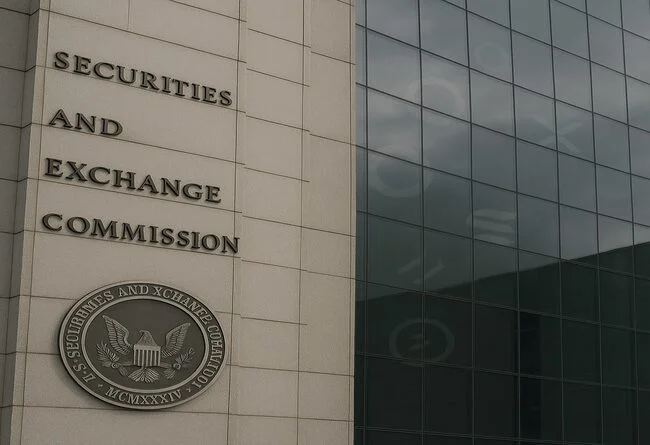
The U.S. Securities and Exchange Commission has extended the review periods for two cryptocurrency-related exchange-traded funds (ETF) proposals, signalling continued caution by the agency toward digital asset products. The revised deadlines affect proposed listings for a Dogecoin ETF by Bitwise and an XRP fund by Franklin Templeton. In a recent notice, the SEC said it will take additional time to evaluate the New York Stock Exchange Arca’s application to list the Bitwise Dogecoin ETF, setting a new decision date of June 15, 2025. Similarly, it has extended the review for Cboe BZX Exchange’s proposal to list the Franklin XRP Fund, pushing that deadline to June 17, 2025. The agency cited the need for sufficient time to consider the rule changes and issues raised by stakeholders during the public comment period. Further Delays for Solana and Hedera ETFs In addition to Dogecoin and XRP filings, the SEC has also paused its decision-making process on several other proposed spot crypto ETFs. These include the Franklin Spot Solana ETF and the Grayscale Spot Hedera ETF. Both filings are now facing longer timelines, with most final decisions anticipated no earlier than October 2025. James Seyffart, ETF analyst at Bloomberg Intelligence, noted that further delays are likely for pending Solana and Hedera products. The SEC has not provided specific reasoning beyond its routine procedural language, but the extended timelines reflect the agency’s ongoing scrutiny of crypto-related investment vehicles. Crypto ETF Landscape Remains Uncertain The latest delays come amid heightened interest in spot cryptocurrency ETFs following the SEC’s earlier approvals of spot Bitcoin ETFs in January. However, the agency continues to treat non-Bitcoin digital asset products with greater caution, often extending review periods to allow more time for assessment. While the market awaits regulatory clarity, issuers remain in limbo. The SEC’s latest extensions highlight the uncertain regulatory environment for digital asset ETFs, particularly those tied to alternative tokens like Dogecoin, XRP, Solana and Hedera. As of now, there is no indication of when or if the agency may approve ETFs beyond Bitcoin. Until then, issuers are expected to face continued delays as the SEC evaluates market integrity, investor protection measures, and concerns over potential market manipulation.
Saylor Predicts IBIT Will Become the World’s Largest ETF Within a Decade

Michael Saylor, executive chairman of Strategy, has projected that BlackRock’s iShares Bitcoin Trust (IBIT) could become the world’s largest exchange-traded fund within ten years. The comment was shared via journalist Eleanor Terrett in a post on X earlier this week. Saylor’s remarks come as institutional adoption of Bitcoin ETFs continues to expand globally. His firm, known for its significant Bitcoin exposure, has frequently backed the broader crypto ETF ecosystem, including IBIT, which recently became the largest Bitcoin ETF by assets under management. Strategy Expands Bitcoin Holdings Strategy, formerly known as MicroStrategy, has steadily increased its Bitcoin portfolio, adding 6,556 BTC between April 14 and April 20 at an average price of $84,785. The purchase, valued at approximately $555.8 million, brings the company’s total holdings to 538,200 BTC, acquired at an average cost of $67,766 per unit. The value of Strategy’s Bitcoin portfolio now exceeds $36.4 billion, reinforcing the firm’s position as one of the largest institutional holders of the digital asset. The company’s continued accumulation reflects Saylor’s long-term commitment to Bitcoin as a strategic treasury asset. IBIT Surges to the Top of the Bitcoin ETF Market BlackRock’s iShares Bitcoin Trust has experienced rapid growth since its regulatory approval in 2024. By the end of December, it had surpassed $50 billion in assets under management, rising to $52.33 billion by January 2025, marking the one-year anniversary of spot Bitcoin ETFs in the United States. IBIT’s asset growth has outpaced competing funds, including Fidelity’s Wise Origin Bitcoin Fund, which holds approximately $19.68 billion, and the Invesco QQQ Trust Series at $18.3 billion. The surge has positioned IBIT as the leading vehicle for institutional investors seeking exposure to Bitcoin via regulated markets. Saylor’s endorsement of IBIT aligns with his broader support for institutional-grade Bitcoin products and infrastructure. While he has no formal affiliation with the fund, his public backing underscores growing confidence in Bitcoin’s role within traditional financial frameworks. Outlook for Bitcoin ETFs The rise of IBIT and other spot Bitcoin ETFs marks a significant shift in how mainstream investors access the cryptocurrency market. Industry analysts suggest that continued institutional inflows could drive further expansion, with ETF vehicles serving as a key entry point for regulated exposure. As ETFs like IBIT attract billions in assets, questions remain over how regulatory developments and market volatility will shape the future of digital asset investment products.
US Bitcoin ETFs, BTC Price, Plummet amid Ongoing Middle East Crisis

On Tuesday, the market recorded a net outflow of over $242 million.
Hong Kong Spot Bitcoin and Ether ETFs To Begin Trading on April 30, Here’s What to Expect

ETF issuers are expected to be in an unspoken race to gain first mover advantage.