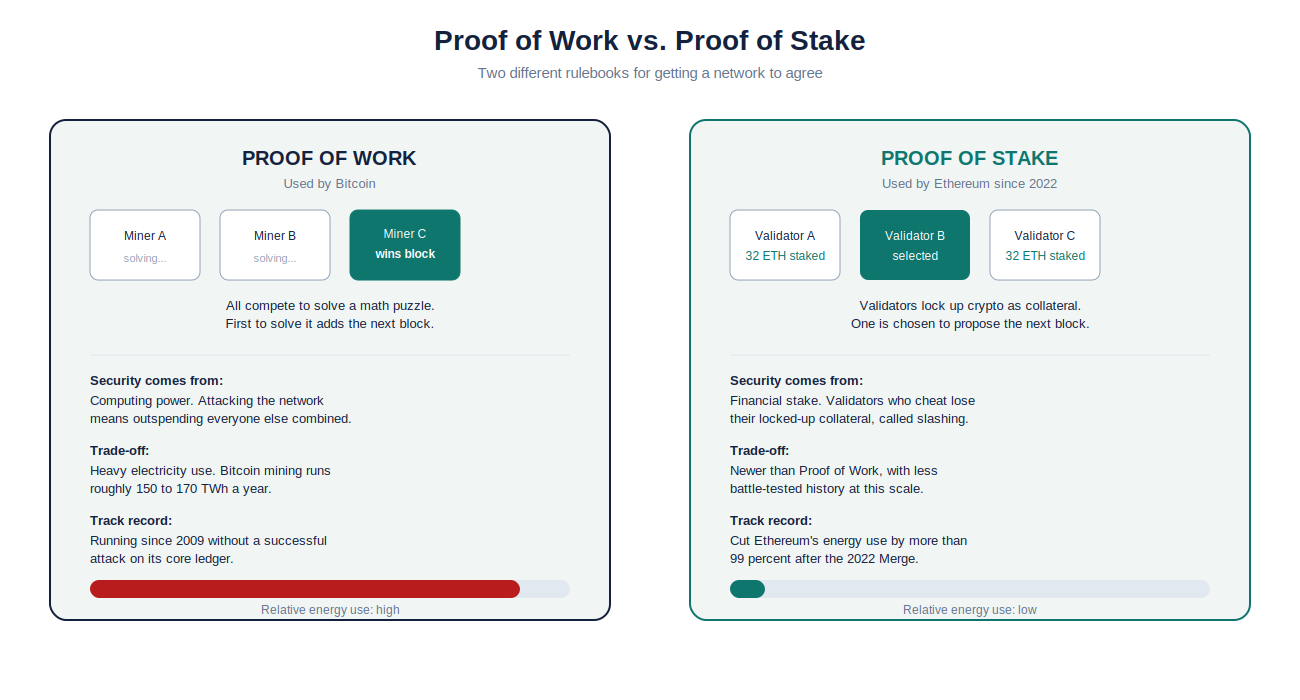
Frequency in cryptocurrency often refers to how often transactions occur within a network or how frequently blocks are produced in a blockchain.Transaction frequency indicates the number of transactions happening over a specific period. A higher frequency can suggest increased adoption and usage of a cryptocurrency. It can also reflect the network’s capacity to handle volume, which impacts transaction speeds and fees.Block frequency relates to how quickly new blocks are added to the blockchain. This is determined by the consensus mechanism used in the network, such as Proof of Work or Proof of Stake. Faster block frequencies can lead to quicker transaction confirmations but may also introduce risks like security vulnerabilities or increased orphan rates, where blocks are discarded because they aren’t part of the longest chain.Understanding frequency helps users gauge network efficiency, scalability, and overall performance, influencing investment decisions and usage.