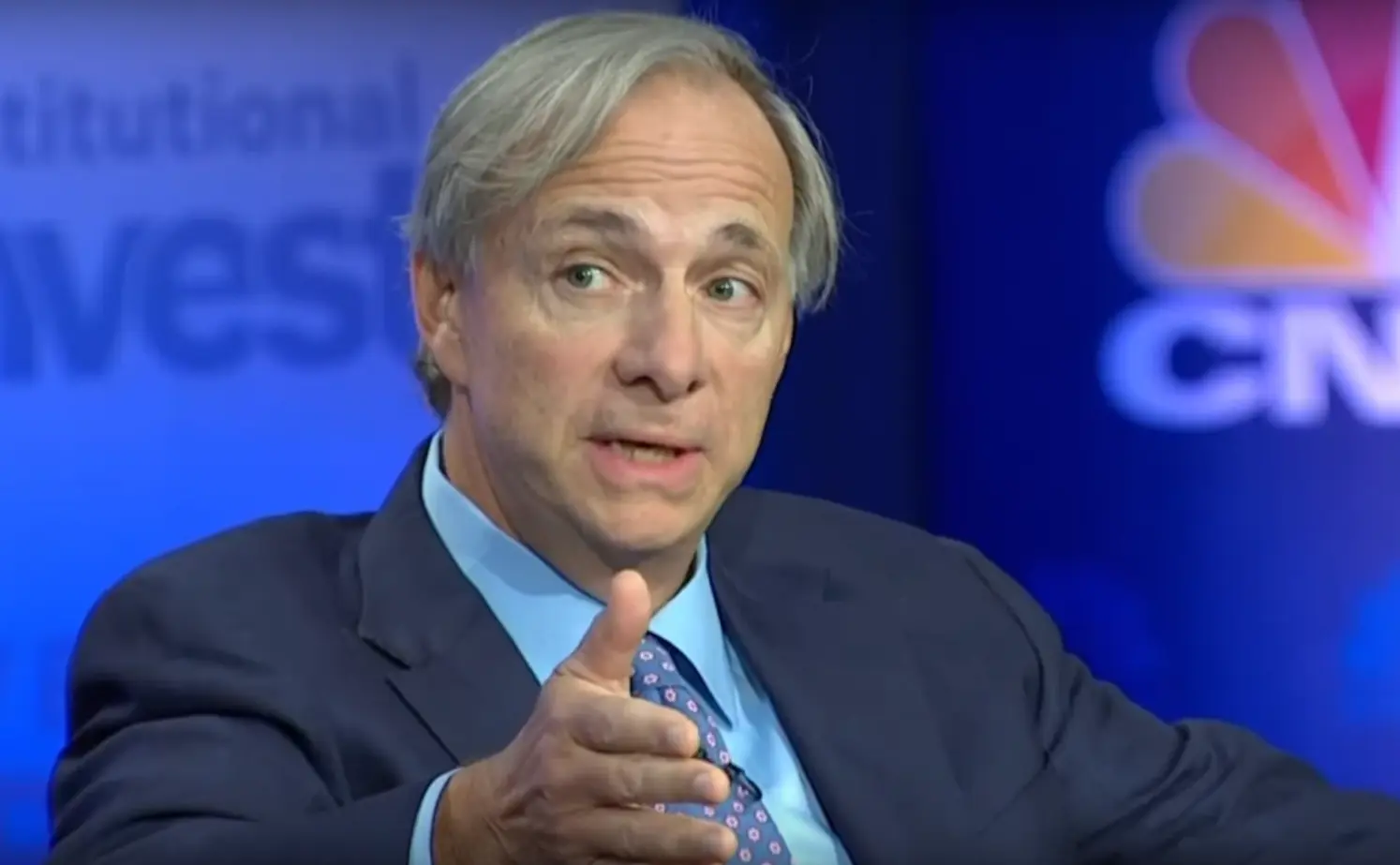
Bitcoin’s transparency has long been promoted as one of its biggest advantages. Ray Dalio now believes it could also be the main reason central banks refuse to adopt the cryptocurrency as a reserve asset.
The billionaire founder of Bridgewater Associates said Bitcoin’s public blockchain creates privacy concerns that sovereign institutions are unlikely to accept, even as corporations and institutional investors continue increasing exposure to BTC.
“Bitcoin lacks privacy. Transactions can be monitored and potentially controlled, which is why central banks aren’t looking to hold it,” Dalio wrote in a post on X.
Dalio’s criticism stands out because he is not dismissing Bitcoin entirely. The hedge fund manager has previously confirmed that he personally owns BTC and allocates around 1% of his portfolio to the asset.
Ray Dalio argues Bitcoin’s public blockchain transparency may prevent central banks from adopting BTC as a reserve asset due to privacy concerns.
Key Takeaway
- Despite criticizing Bitcoin’s lack of confidentiality, Dalio still personally holds BTC and allocates about 1% of his portfolio to it.
- Dalio also questioned Bitcoin’s “digital gold” narrative, pointing to its strong correlation with tech stocks and broader risk markets.
- Michael Saylor pushed back, arguing Bitcoin’s transparency is a strength because it creates verifiable global digital collateral.
- While institutional investors continue accumulating Bitcoin, central banks still overwhelmingly prefer gold and state-controlled digital currency initiatives.
Why Dalio Thinks Bitcoin’s Transparency Is a Problem
Bitcoin operates on a decentralized blockchain where every transaction is permanently recorded and publicly visible. Anyone can use a blockchain explorer to monitor wallet activity, transaction history, and the movement of funds across the network.
Although wallet addresses are pseudonymous, blockchain analytics firms have become increasingly capable of connecting transactions to exchanges, institutions, and even individuals through compliance data and transaction patterns.
For Bitcoin supporters, that transparency is one of the network’s strongest features because it allows transactions to be independently verified without relying on centralized intermediaries. Dalio, however, argues that governments and central banks may view it differently. According to him, reserve assets require a level of confidentiality that Bitcoin’s public ledger cannot provide. His comments also arrive at a time when governments worldwide are exploring central bank digital currencies while remaining cautious toward decentralized cryptocurrencies.
Bitcoin’s Correlation With Stocks Raises More Concerns
Dalio’s concerns extend beyond privacy.
He also questioned Bitcoin’s ability to function as a true safe haven asset during periods of economic stress, arguing that BTC continues to behave more like a technology stock than an independent store of value.
TradingView data showed Bitcoin’s 90-day correlation coefficient with the Nasdaq recently stood at 0.89, signaling a strong relationship between the cryptocurrency and the tech heavy equity index. The figure suggests much of Bitcoin’s recent price action has mirrored broader risk sentiment in financial markets.
Dalio believes this weakens Bitcoin’s long standing “digital gold” narrative.
“Ultimately, gold is more widely held, deeply established, and still plays a central role in the global system,” he said.
The billionaire investor also pointed to Bitcoin’s relatively smaller market size compared to gold, arguing that it remains easier for large participants to influence the cryptocurrency market.
Michael Saylor Pushes Back
Dalio’s comments quickly drew a response from Strategy executive chairman Michael Saylor, one of Bitcoin’s most prominent advocates. Saylor rejected the idea that transparency is a weakness and instead described it as one of Bitcoin’s defining strengths.
“Gold is analog capital. Bitcoin is digital capital,” Saylor said while defending the cryptocurrency’s open ledger structure.
He argued that Bitcoin’s transparency allows it to function as verifiable global collateral in ways traditional assets cannot.
The exchange between Dalio and Saylor highlights the broader divide between traditional macro investors and long term Bitcoin supporters. While critics continue favoring gold because of its stability and long history, Bitcoin advocates argue that decentralized digital assets are better suited for the modern financial system.
Central Banks Still Prefer Gold
Despite growing institutional demand for Bitcoin, central banks have largely stayed away from the cryptocurrency market.
Many sovereign institutions continue increasing gold reserves while separately exploring state controlled digital currencies that allow governments to retain oversight over monetary systems.
Dalio believes Bitcoin’s volatility, public transaction visibility, and correlation with equities remain major barriers preventing central banks from treating BTC as a reserve asset.
At the time of writing, Bitcoin was trading near the $80,000 level after recent market weakness left the cryptocurrency below previous highs.
Still, institutional accumulation has continued across the market, especially following the launch of spot Bitcoin ETFs in the United States.
The debate over Bitcoin’s future role in global finance is far from settled. While corporations and asset managers continue embracing BTC, Dalio’s latest comments show that central banks may require far more than decentralization and scarcity before considering Bitcoin alongside traditional reserve assets like gold.
Related posts:
- Thailand Unveils New Crypto Regulatory Sandbox to Boost Innovation
- $1 Billion Worth of ETH Withdrawn from Exchanges in Largest Daily Exodus Since January
- Japanese Firm Metaplanet Expands Bitcoin Holdings With $12.1M Purchase
- U.S.-China Tariff Clash Intensifies as Bitcoin Dips Below $77K
- KuCoin Pay Partners with AEON to Expand Web3 Payment Options