
Blockchain pruning is the process of reducing the size of a blockchain by removing unnecessary data. Over time, blockchains can grow significantly as they store every transaction ever made. This can lead to storage and performance issues for nodes that validate transactions.Pruning allows these nodes to operate more efficiently by keeping only the essential data. Typically, a pruned node retains just the recent transactions and the necessary state information while discarding older data that is no longer needed to verify current transactions.The primary benefit of pruning is improved scalability. By reducing the storage requirements, more users can run full nodes without needing large amounts of disk space. This helps maintain decentralization, as more participants can contribute to the network.However, pruning also means that users may not have the full history of transactions available. This could limit certain functionalities, like auditing past transactions or verifying historical data independently. Pruning strikes a balance between maintaining a lightweight operation and ensuring the blockchain continues to function effectively.
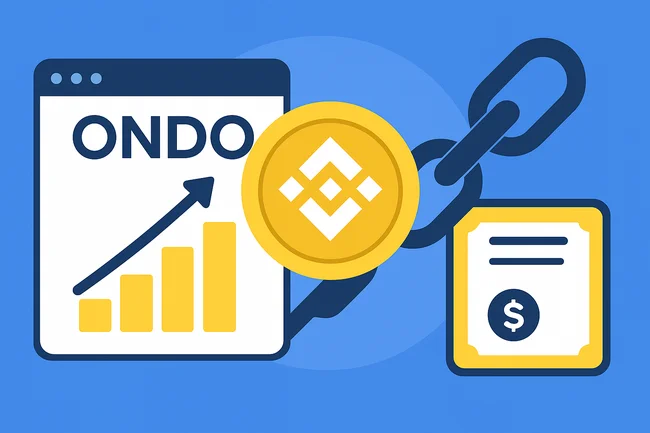
Ondo Global Markets Expands Tokenized Stock Platform to BNB Chain
Ondo Global Markets, a tokenized stock and exchange-traded fund (ETF) platform, has expanded its operations to BNB Chain, one of


