A chess grandmaster doesn’t outthink a chess engine anymore, hasn’t since 1997.
What changed wasn’t human intelligence; it was the realization that some games are better played by something that never blinks, never panics, and never gets tired at 3am. Crypto markets never close.
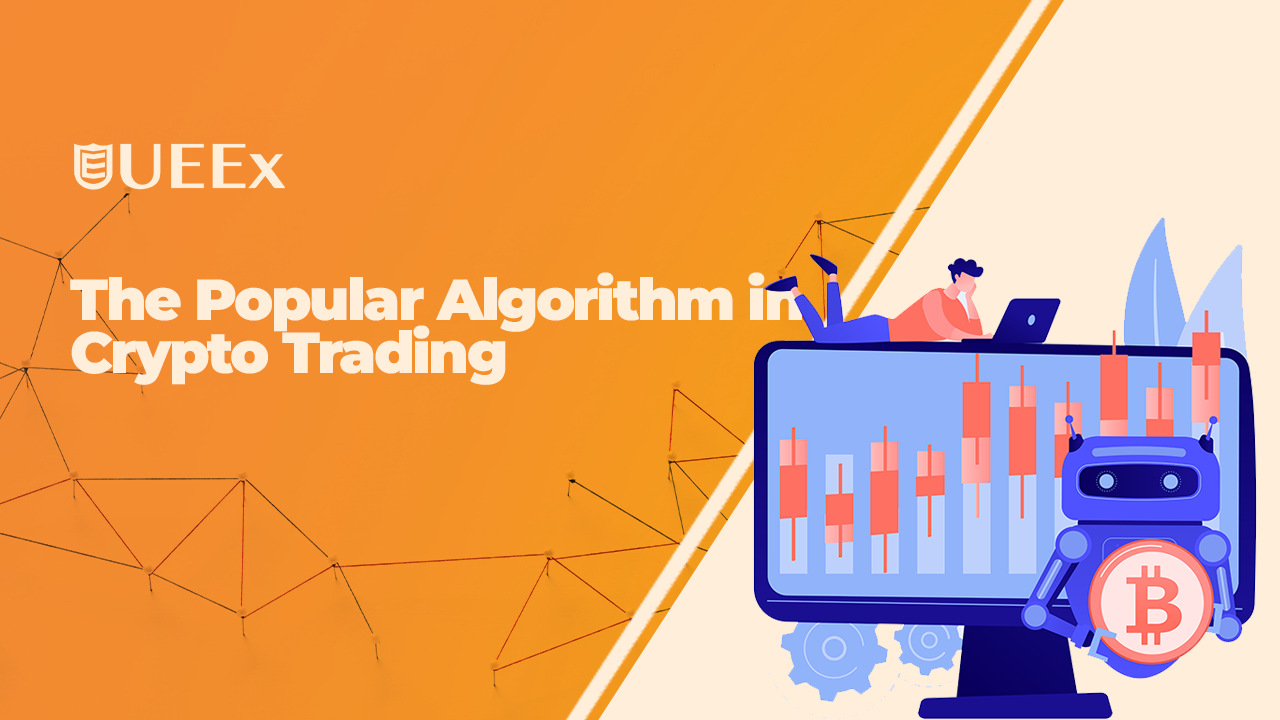
The popular algorithms in crypto trading exist for the same reason Deep Blue beat Kasparov: the game runs faster than a human nervous system can keep up with.
What is Algorithmic Trading
Algorithmic trading in cryptocurrencies also known as automatic trading, black-box trading, or Algo trading is a mode of making transactions using preprogrammed instructions (an algorithm) input into the computer program to be executed when those conditions are met.
It Is just like a personal trading assistant that is constantly working and making decisions within milliseconds.
This means that you can be trading while sleeping and still make a profit.
The profit you will make might even be higher than the one you would have if you did it yourself.
That is because the algorithm is constantly running and can capture opportunities that would ordinarily be missed if you did it yourself.
Trades may be configured to be executed based on asset price, technical indications, or the percentage of value in your portfolio, depending on your trading method (rebalancing).
Popular Algorithms Used in Crypto Trading
Each algorithm below is a specialist, not a generalist, the way a surgeon and a general practitioner are both doctors but you’d never want to swap their jobs. Arbitrage hunts price gaps.
Trend following rides momentum. Grid trading thrives on sideways chop.
Picking the wrong specialist for the market’s current mood is how a perfectly coded algorithm still loses money.
1. AI and Machine Learning Algorithms
The newest and fastest-growing category isn’t rule-based at all.
Where traditional algorithms follow fixed if this, then that logic, AI-driven trading systems use machine learning including reinforcement learning models like Deep Q-Networks to learn from market data and adapt their own behavior over time, without a human rewriting the rules.
In practice, this means a bot that doesn’t just react to a price crossing a moving average, but one that analyzes market sentiment, on-chain whale activity, and historical patterns simultaneously, adjusting its strategy as conditions shift.
This is the direction algorithmic trading is moving in 2026 from static, pre-programmed bots toward systems that genuinely adapt.
It requires significantly more technical infrastructure than the algorithms below, and remains largely the domain of experienced quant traders and institutional desks, though accessible AI trading platforms are increasingly bringing it to retail traders.
2. Arbitrage
This kind of algorithm is designed to take advantage of price differences of the same asset but on different exchanges.
That is, if Ethereum is cheaper on one exchange, the trader buys it on that exchange and sells it on another that is expensive.
3. Mean Reversion
Mean reversion algorithms operate on the assumption that an asset’s price will eventually return to its historical average after moving too far in either direction.
When an algorithm detects that a coin’s price has deviated significantly from its moving average using indicators like RSI or Bollinger Bands it triggers a trade betting on a return to that average.
This strategy performs best in range-bound markets and can perform poorly during strong sustained trends, which is why many trading systems combine it with trend-detection filters to avoid trading against momentum.
4. Market Making
This involves placing buy and sell orders for a specific asset to profit from the bid.
“The algorithmic trading, while effective, is not perfect. It can be interrupted by technical glitches, connectivity issues, or exchange outages.”
5. Trend Following
In this Algorithm, the knowledge that assets will continue to move in their current direction is the inspiration for this strategy.
This makes traders ardently follow the market trend and know when to buy and sell assets usually on the downtrend and uptrend respectively.
6. TWAP and VWAP
Time-Weighted Average Price (TWAP) and Volume-Weighted Average Price (VWAP) are execution algorithms designed to solve a specific problem: how do you buy or sell a large amount of crypto without moving the price against yourself?
TWAP breaks a large order into smaller pieces, executed at regular intervals over a set time period — buying or selling steadily rather than all at once.
VWAP does something similar but weights execution according to trading volume, executing more during high-liquidity periods and less during thin ones.
Both are widely available on institutional and increasingly retail crypto platforms, and meaningfully reduce slippage — the gap between the price you expected and the price you actually got — on larger orders.
How does Algorithm Trading Work?
A trading algorithm is a set of rules and instructions created to perform specific tasks such as reading data sets associated with the market, recognizing trends, and executing a trade.
Humans can not match the capability of algorithmic trading because of its high speed and frequency ensuring efficiency in the trading process.
To start using algorithmic trading in crypto, especially as a beginner, you need reliable software that can handle your strategies especially if they are complex. Such software is popular and it Includes:
1. TradingView
This software is Known for uncanny charting tools and community-driven scripts.
It is a favorite tool among traders because it can create custom indicators and backtest strategies using Pine Script, TradingView’s proprietary scripting language.
2. MetaTrader
This tool is used in forex and stock trading a lot as it supports crypto trading and also offers advanced charting tools, automated trading through Expert Advisors (EAs), and robust backtesting capabilities.
3. Coinigy
This tool is a comprehensive platform designed especially for crypto trading, Coinigy can bond with multiple exchanges to give you real-time data while allowing complex trading strategies.
Top Crypto Trading Algorithm Strategies to Get Long-Term Benefits

1. Scalping
Scalping is also known as Scalp Trading and it is a strategy you can leverage to generate tiny profits from daily market volatility which could build up to a sizable amount.
This method can be used in forex or cryptocurrency trading because it reacts quickly to market changes as it reacts within minutes or even seconds.
The main elements that can affect the result are consistency and quickness.
2. Momentum Trading Crypto
This strategy is used mostly by investors. With the code buy low and sell high they monitor the volatility and price changes of the coin and buy when they notice that the value of the coin is starting to rise and buy it only to sell at the peak of the trend before it reverses.
Momentum’s trading strategy is mostly for those with long-term trade in mind and has proven to be a very successful strategy.
3. Day Trading Strategy
This is one of the most profitable and straightforward ways to profit from cryptocurrency. This is when a position in the market is entered and exited using intraday trading—opening and closing trade within the same day.
“Crypto trading algorithms can operate uninterrupted without human intervention, executing trades with speed and accuracy.”
3. Range Trading
In this type of trading strategy, the price movement within a particular range is closely monitored.
To be able to participate in this form of trading you should be very familiar with concepts such as resistance and support lines to be successful in this strategy.
4. Reverse Trading
In this strategy, you are monitoring the direction of the trend using price action and technical indicators to spot patterns from the trend lines.
5. High-Frequency Trading (HFT)
In this strategy, trading bots are created with algorithms that facilitate quick entry and exit of the asset.
This type of algorithm approach is known as HFT and it is used mostly by Quant traders and experienced traders.
Pros and Cons of Algorithm Trading
Pros
- Crypto trading algorithms can operate uninterrupted without human intervention
- Trades are executed at high speed while taking advantage of price oscillations and opportunities faster than any human
- Algorithms do not make decisions based on emotions like doubt or fear therefore the programming ensures that the task is executed accordingly as predetermined.
- Algorithms can analyze more than one technical indicator at the same time.
Cons
- Though in other to test the algorithms is necessary to ensure the proper running of the program as specified, relying on it can lead to poor performance in the live market
- The algorithmic trading, while effective, is not perfect. It can be interrupted by technical glitches, connectivity issues, or exchange outages.
Frequently Asked Questions
What is the difference between a trading algorithm and a trading bot?
A trading algorithm is the set of rules and logic that decides when to buy or sell. A trading bot is the software that executes those rules automatically on an exchange.
Conclusion
Garry Kasparov lost to a machine in 1997 and spent years afterward studying why, not to get revenge, but because he realized something useful: humans and machines are good at different things.
He went on to pioneer advanced chess, where a human and an engine play as a team, each compensating for the other’s blind spots.
That’s the realistic future of algorithmic trading too. Not humans replaced entirely, but humans choosing which decisions to hand off the relentless, emotionless, always-on parts of trading while keeping judgment over strategy and risk for themselves.
The popular algorithms in crypto trading aren’t magic.
They’re just very good at doing the one thing markets never stop demanding: showing up, every second, without getting tired.