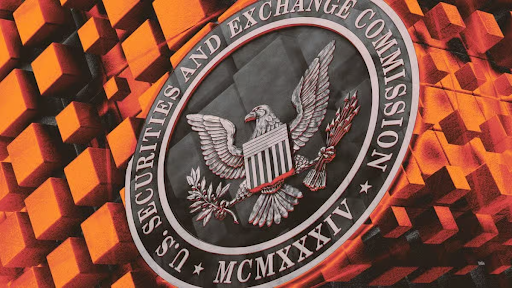
The U.S. Securities and Exchange Commission (SEC) has charged Florida resident Zan Shaikh and his company, Mining Automatic, over an alleged cryptocurrency mining investment scheme that raised more than $22 million from over 380 investors while spending only a small portion of the funds on actual mining operations.
According to the SEC, the scheme operated between June 2023 and May 2025, promising investors guaranteed monthly returns generated through cryptocurrency mining. Instead, regulators allege that investor money was diverted to marketing campaigns, Shaikh’s personal expenses, and unrelated business activities.
The enforcement action is the latest in a series of cases targeting fraudulent crypto investment schemes as U.S. regulators continue to focus on investor protection across the digital asset industry.
Key Takeaways
The SEC has charged Mining Automatic and founder Zan Shaikh over an alleged $22 million crypto mining fraud.
More than 380 investors were allegedly promised guaranteed monthly returns from crypto mining.
Regulators claim only about 13% of investor funds were used for mining related expenses.
The remaining funds were allegedly spent on marketing, personal expenses, and unrelated businesses.
Shaikh and Mining Automatic have agreed to partial settlements without admitting or denying the SEC’s allegations.
SEC Alleges Investor Funds Were Largely Diverted
According to the complaint filed in federal court in Massachusetts, Mining Automatic marketed itself as a cryptocurrency mining investment platform that allowed customers to earn passive income without operating mining equipment themselves. Investors were told their funds would be used to purchase computing power to validate blockchain transactions and generate regular cryptocurrency rewards. The SEC alleges those representations were false.
The regulator claims only about 13% of the approximately $22 million raised was spent on mining related activities, while the majority of investor funds were directed elsewhere.
According to the complaint, substantial amounts were used to finance advertising campaigns aimed at attracting additional investors, while other funds allegedly covered Shaikh’s personal expenditures, real estate purchases, entertainment costs, vehicle expenses, and unrelated business ventures.
The SEC also alleges the operation generated significantly less mining revenue than investors were led to expect, leaving more than $20 million in investor principal unpaid.
Beyond the use of investor funds, regulators claim Shaikh made multiple false statements regarding the company’s business. According to the SEC, he allegedly misrepresented his experience in cryptocurrency mining, overstated the company’s operational capabilities, and provided misleading explanations when investor payments began arriving late.
The complaint also alleges that Mining Automatic continued marketing guaranteed monthly returns even though its mining activities could not generate the advertised payouts.
Regulators noted that some investor payments appeared to come from newly raised funds rather than mining income, giving the operation what the SEC described as “some of the hallmarks of a Ponzi scheme.”
Settlement Reached on Part of the Case
The SEC has charged Shaikh and Mining Automatic with violating the registration and antifraud provisions of the Securities Act of 1933 as well as Section 10(b) of the Securities Exchange Act of 1934 and Rule 10b-5.
Without admitting or denying the allegations, both defendants have agreed to partial settlements that remain subject to court approval.
If approved, the judgments would permanently prohibit future violations of federal securities laws. Shaikh would also be barred from serving as an officer or director of a public company and could face additional conduct based restrictions.
The court will determine the amount of disgorgement, prejudgment interest, and civil penalties at a later stage following further submissions from the SEC.
The investigation was conducted by the SEC’s Cyber and Emerging Technologies Unit alongside the agency’s Boston Regional Office.
Crypto Enforcement Remains Active
The Mining Automatic case follows several recent enforcement actions involving cryptocurrency investment schemes.
Earlier this month, the Commodity Futures Trading Commission filed a lawsuit against Trevor Vernon and Argent Capital Management over an alleged $14 million commodity pool fraud.
Separately, the U.S. Department of Justice recently moved to dismiss its criminal case against the founder of BitClub Network, despite previous allegations that the mining operation generated approximately $722 million from investors.
Internationally, authorities have also intensified enforcement efforts. A Taiwanese court recently sentenced the alleged operator of the BitShine exchange to 22 years in prison on charges including fraud, money laundering, and operating illegal digital asset services.
Conclusion
The SEC’s action against Mining Automatic highlights the agency’s continued scrutiny of cryptocurrency investment programs that promise guaranteed or predictable returns. Regulators allege that while investors believed they were funding legitimate mining operations, most of their money was diverted to marketing, personal spending, and other non mining activities.
As enforcement efforts continue in the United States and abroad, the case serves as another reminder for investors to carefully evaluate crypto investment opportunities, particularly those advertising fixed monthly returns or low risk profits. Regulatory authorities continue to emphasize that transparency, proper registration, and verifiable business operations remain critical indicators of legitimate digital asset investment offerings.
Disclaimer: This article is intended solely for informational purposes and should not be considered trading or investment advice. Nothing herein should be construed as financial, legal, or tax advice. Trading or investing in cryptocurrencies carries a considerable risk of financial loss. Always conduct due diligence before making any trading or investment decisions.