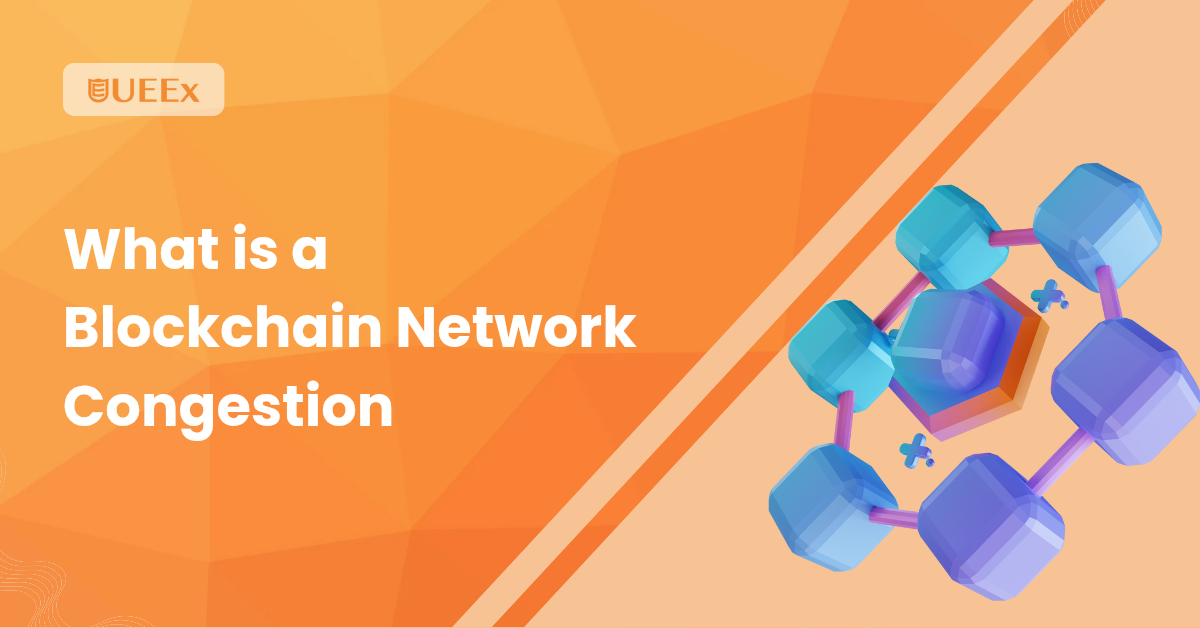
Adaptive scaling refers to the ability of a blockchain network to adjust its capacity and performance in response to varying levels of demand. As more users engage with the network, it must handle increased transaction volumes without sacrificing speed or efficiency.This approach can involve several strategies, including adjusting block sizes, optimizing transaction processing algorithms, or employing layer-2 solutions. The goal is to maintain a smooth user experience, even during peak usage times. By dynamically adapting to network conditions, adaptive scaling helps mitigate issues like congestion and high transaction fees, which can arise when demand outpaces the system’s capabilities. This flexibility ensures that the network remains functional and user-friendly, promoting wider adoption and usability.Overall, adaptive scaling is crucial for maintaining a robust and efficient blockchain environment, allowing it to grow and evolve alongside user needs and market trends.