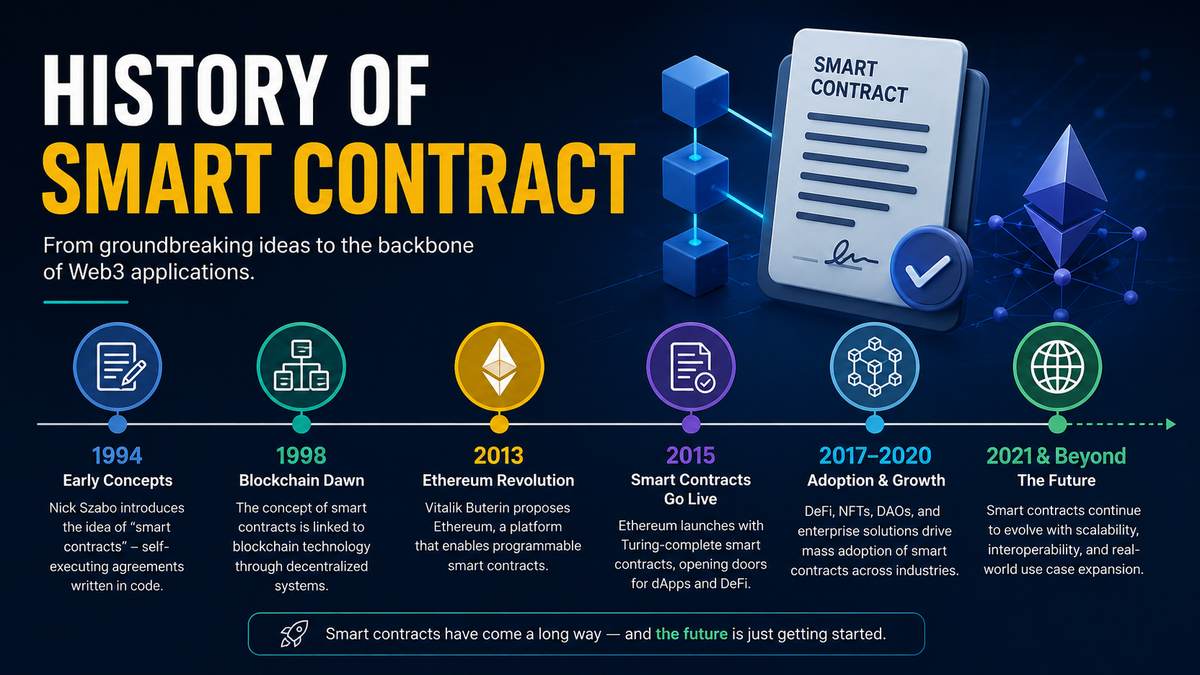
Smart contract language refers to programming languages designed to create, execute, and manage smart contracts on blockchain platforms. Smart contracts are self-executing agreements with the terms directly written into code. They automatically enforce and execute the terms when predetermined conditions are met.These languages provide the necessary syntax and functions to define rules, handle transactions, and interact with the blockchain. Some popular smart contract languages include Solidity, used mainly on Ethereum, and Vyper, which focuses on security and simplicity.With smart contract languages, developers can create decentralized applications (dApps) that operate without intermediaries. This ability enhances security and reduces costs while increasing transparency.As blockchain technology evolves, new languages and tools continue to emerge, enabling more complex and efficient smart contracts. Overall, smart contract languages play a crucial role in automating processes and ensuring trust in digital transactions.