
Gas fees are charges used on blockchain networks to process transactions and perform operations. These fees compensate miners or validators for the computational power needed to confirm transactions and maintain the network’s security.Each transaction requires a certain amount of computational effort, measured in units referred to as “gas.” The price of gas can fluctuate based on network demand. When more people are trying to make transactions at the same time, fees increase.Users specify how much they are willing to pay in gas fees. A higher fee often results in faster transaction confirmation, while a lower fee may lead to delays, especially during busy periods. Gas fees are particularly relevant on networks like Ethereum, where they can vary significantly based on congestion and the complexity of the actions being performed, such as smart contracts.Understanding gas fees is crucial for anyone wanting to send tokens or execute trades, as it directly impacts the cost and efficiency of transactions on the network.
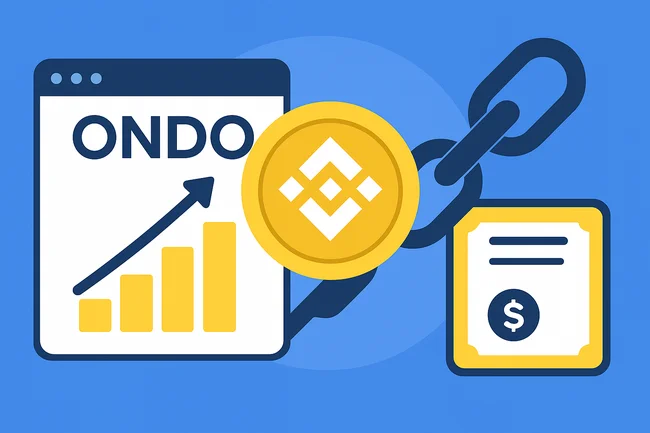
Ondo Global Markets Expands Tokenized Stock Platform to BNB Chain
Ondo Global Markets, a tokenized stock and exchange-traded fund (ETF) platform, has expanded its operations to BNB Chain, one of


