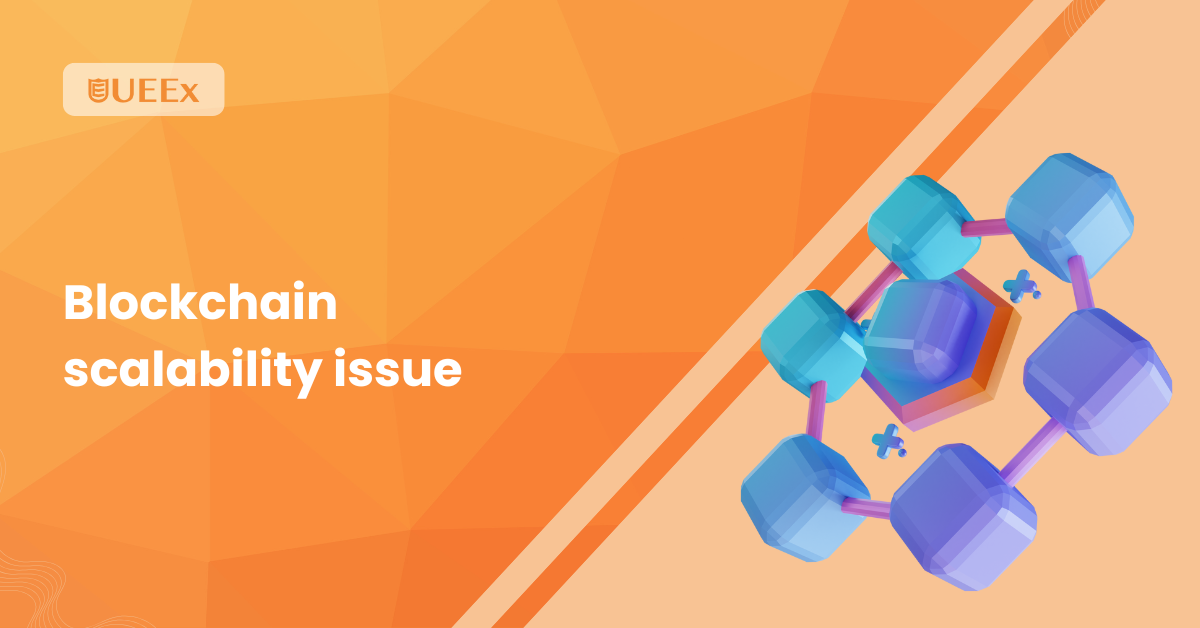
Cross chain layer scaling is a multi-dimensional scaling strategy that combines horizontal expansion across multiple blockchain networks with vertical scaling across Layer 1, Layer 2, and Layer 3 architectures to dramatically increase the aggregate transaction throughput available to decentralized applications. Rather than relying on a single chain to handle all computation, this approach routes different workloads – settlement, execution, data availability, and storage – to the most efficient layer or chain for that task. The result is a composable scaling stack where each layer specializes in what it does best while remaining interoperable with adjacent layers. Cross chain layer scaling is increasingly seen as the practical path to blockchain systems capable of handling global-scale adoption.
Origin & History
Date
Event
2017
Bitcoin Lightning Network launches as an early Layer 2 payment channel concept, foreshadowing cross-layer scaling thinking
2019
Ethereum researchers publish early rollup-centric roadmap documentation, establishing the intellectual foundation for cross-layer scaling
2021
Polygon introduces its multi-chain scaling suite (PoS, Hermez, Avail), demonstrating practical cross chain layer scaling for EVM applications
2022
Arbitrum and Optimism reach billions in TVL, validating L2 rollups as production-grade cross-layer scaling solutions
2023
Ethereum’s EIP-4844 (proto-danksharding) lowers L2 data costs by up to 100x, enabling the next generation of cross chain layer scaling economics
*”Rollups are the only credible path to blockchain scalability in the short and medium term.”* – Vitalik Buterin, Ethereum co-founder, 2021
Imagine a city that builds not just wider roads (L1 upgrades) but also highways (L2), ring roads (L3), and connections to neighboring cities (cross-chain) – cross chain layer scaling uses all of these simultaneously.
Heavy computation (game logic, trading engine) moves to specialized L2 or L3 rollups, freeing the L1 for high-value settlement only.
Data storage moves to dedicated data availability layers (like Celestia), further reducing costs and bottlenecks on the base chain.
Cross-chain protocols connect these stacks across different L1 ecosystems (Ethereum, Solana, Cosmos), allowing liquidity and messages to flow freely.
The combined system can theoretically handle millions of transactions per second while preserving the security guarantees of multiple base-layer networks.
Real-World Examples
Scenario
Implementation
Outcome
High-frequency DEX
A decentralized exchange deploys on a ZK rollup (L2) for trade matching, settles to Ethereum (L1), and connects to Solana via a cross-chain bridge for additional liquidity
The exchange achieves sub-second finality at under $0.01 per trade while accessing multi-chain liquidity
Blockchain gaming
A game studio launches an app-specific L3 chain on Arbitrum using the Orbit stack, settling game-state proofs to Arbitrum One (L2) which itself settles to Ethereum (L1)
Millions of in-game micro-transactions execute at near-zero cost without congesting the base chain
Enterprise data pipeline
An enterprise supply chain application uses Polygon CDK to deploy a private L2, posting data availability proofs to Avail and anchoring finality to Ethereum
The enterprise gains blockchain auditability at a fraction of direct L1 costs, with throughput scaled to business volume
Advantages
Advantage
Detail
Massive throughput
Combining multiple layers and chains multiplies aggregate TPS far beyond any single network’s limits
Cost efficiency
Offloading computation to cheaper layers dramatically reduces gas fees for end users
Specialization
Each layer can be optimized for its specific role (execution, settlement, data availability)
Security preservation
ZK rollups and optimistic rollups inherit the security of the underlying L1 chain
Developer flexibility
Teams can choose the right scaling layer for their application’s latency, cost, and security requirements
Disadvantages & Risks
Risk
Description
Fragmented liquidity
Assets spread across many chains and layers create shallow markets and poor UX
Bridging risk
Moving assets between layers introduces smart contract and oracle vulnerabilities
Complexity
Designing and maintaining a multi-layer architecture requires significant engineering expertise
Proof delays
Optimistic rollups have 7-day challenge windows that delay final settlement
Interoperability gaps
Not all L2s and L3s are compatible, creating siloed sub-ecosystems
Risk Management Tips
Use audited, battle-tested bridges with substantial insurance coverage when moving assets between layers.
Account for rollup withdrawal delays (especially optimistic) in treasury and liquidity management planning.
Monitor data availability layer uptime separately from your execution layer, as both are critical to liveness.
Test cross-layer interactions on testnets thoroughly before deploying high-value production systems.
Follow Ethereum Improvement Proposals (EIPs) such as EIP-4844 and future danksharding milestones, as they significantly change the economics of cross chain layer scaling.
FAQ
Q: What is the difference between cross chain layer scaling and simple L2 scaling?
L2 scaling refers to a single layer added atop one L1. Cross chain layer scaling encompasses multiple L2s, L3s, data availability layers, and cross-chain connections across different L1 ecosystems working together to scale the entire blockchain ecosystem, not just one chain.
Q: Does cross chain layer scaling compromise decentralization?
It depends on implementation. ZK rollup-based approaches can maintain strong decentralization guarantees. However, some L3 designs and permissioned cross-chain validators introduce centralization trade-offs that users should evaluate carefully.
Q: What is EIP-4844 and why does it matter for cross chain layer scaling?
EIP-4844 (proto-danksharding), activated on Ethereum in March 2024, introduced blob transactions that allow L2 rollups to post data to Ethereum far more cheaply. This reduced L2 fees by up to 100x, making cross chain layer scaling dramatically more cost-effective.
Q: Can cross chain layer scaling work without bridging?
Not fully. Some approaches (like shared sequencers) reduce the need for traditional bridges, but moving assets and messages between fundamentally separate L1 ecosystems still requires some form of interoperability protocol.
Q: Which projects are leaders in cross chain layer scaling?
Key players include Ethereum (rollup-centric roadmap), Polygon (AggLayer), Arbitrum (Orbit L3 stack), zkSync (Hyperchains), Cosmos (IBC), and Celestia (modular data availability).
Sources
https://ethereum.org/en/developers/docs/scaling/
https://celestia.org/learn/
https://docs.arbitrum.io/arbitrum-bridge/overview
UEEx Tip: Cross chain layer scaling is not a single technology but a design philosophy – the best multi-chain applications think carefully about which workload belongs on which layer and use interoperability protocols to stitch the layers together smoothly.
Disclaimer: This content is for educational purposes only and does not constitute financial advice.