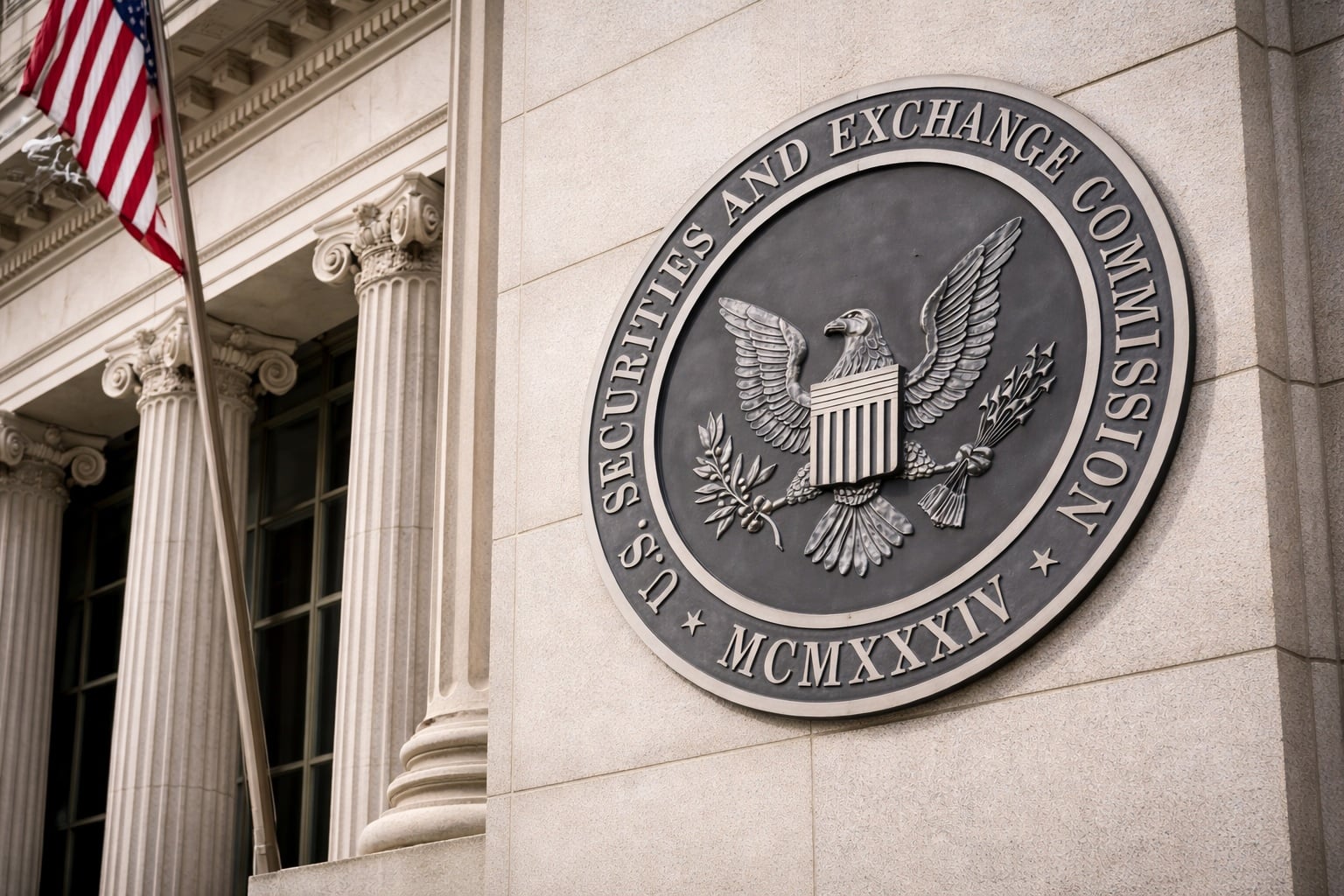
The US Securities and Exchange Commission has named tokenization among the market-infrastructure risks its examiners will scrutinise during fiscal 2027.
Announced on October 23, the priorities identify areas warranting heightened attention across the Division of Examinations’ oversight programme. Tokenization appears specifically in reviews of clearing agencies and entities covered by Regulation Systems Compliance and Integrity, known as Regulation SCI.
Key Takeaways
- Tokenization features in the SEC staff’s fiscal 2027 examination priorities.
- Clearing-agency controls and market-system resilience are explicit areas of focus.
- The report creates no new legal obligations.
- Its publication does not approve any individual tokenized investment.
Where Tokenization Enters the Examination Programme
The SEC’s announcement places tokenization alongside Treasury clearing reforms as developments changing market infrastructure.
The wider programme covers more than 34,000 registrants, including investment advisers, broker-dealers, clearing agencies and other regulated participants. That figure describes the division’s oversight population; it does not mean every registrant will receive a tokenization-focused examination.
Other priorities include investor protection, broker-dealer financial responsibility, cybersecurity and operational resilience.
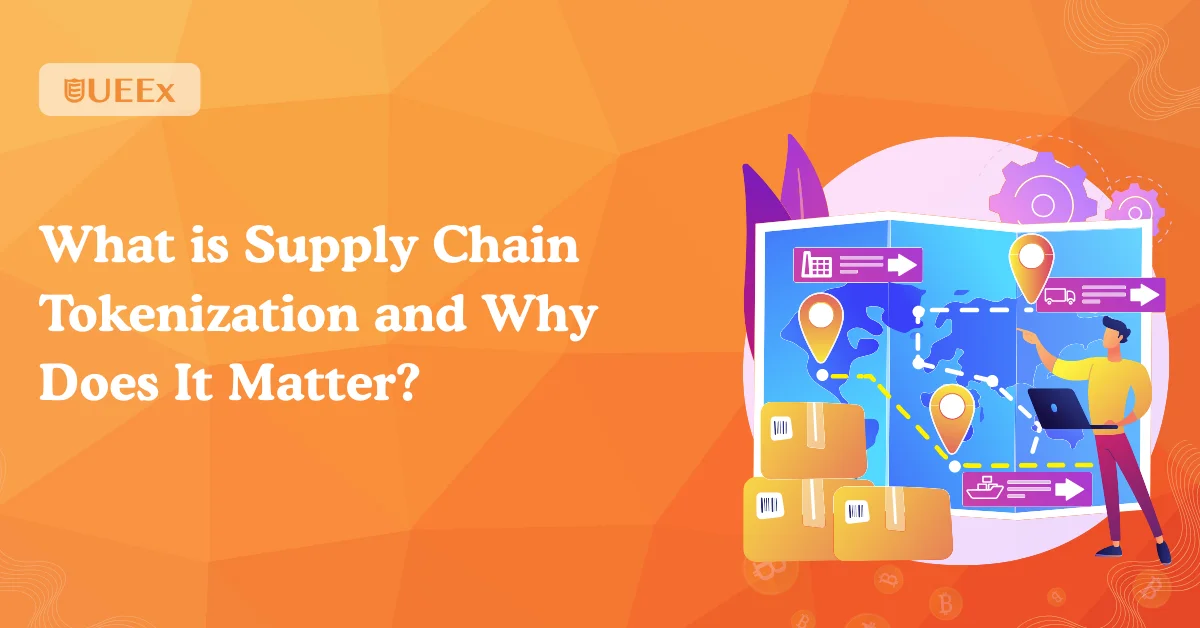
Asset tokenization involves representing assets or associated interests through digital tokens. For securities markets, the technology raises questions about how ownership records, transfers and existing financial infrastructure work together.
Clearing and Technology Controls Face Review
The full examination-priorities report lists tokenization among clearing-agency risk areas, alongside defaults, recovery, wind-down planning and operations.
Separately, Regulation SCI examinations will consider tokenized securities among emerging trends. Those reviews also address reliance on cloud providers and other third-party systems.
The practical issue extends beyond whether a token can move successfully between addresses. Market infrastructure must also support reliable records, appropriate controls and the handling of failures.
Where smart contracts automate transfers or restrictions, firms still need to understand how that code interacts with their broader operational processes. This is an implication of the examination focus, rather than a new requirement introduced by the report.
Examination Priorities Do Not Change Securities Law
The document expressly states that it represents examination staff’s views, has no legal force and creates no additional obligations.
Its significance is therefore supervisory: it tells regulated firms where examiners expect to direct attention under existing requirements.
For investors, the distinction between utility tokens and security tokens remains relevant. A token’s description alone does not establish the legal rights it provides or the protections attached to its sale.
For example, a product offering price exposure to a share may differ from one conveying ownership and shareholder rights. The examination announcement does not resolve those questions for any particular product.
Conclusion
Tokenization’s inclusion gives regulated market participants a clearer signal that their infrastructure and controls may face examination. It also places the technology within familiar supervisory questions: whether systems operate reliably, risks are managed and investor protections remain effective as securities markets adopt new processes.