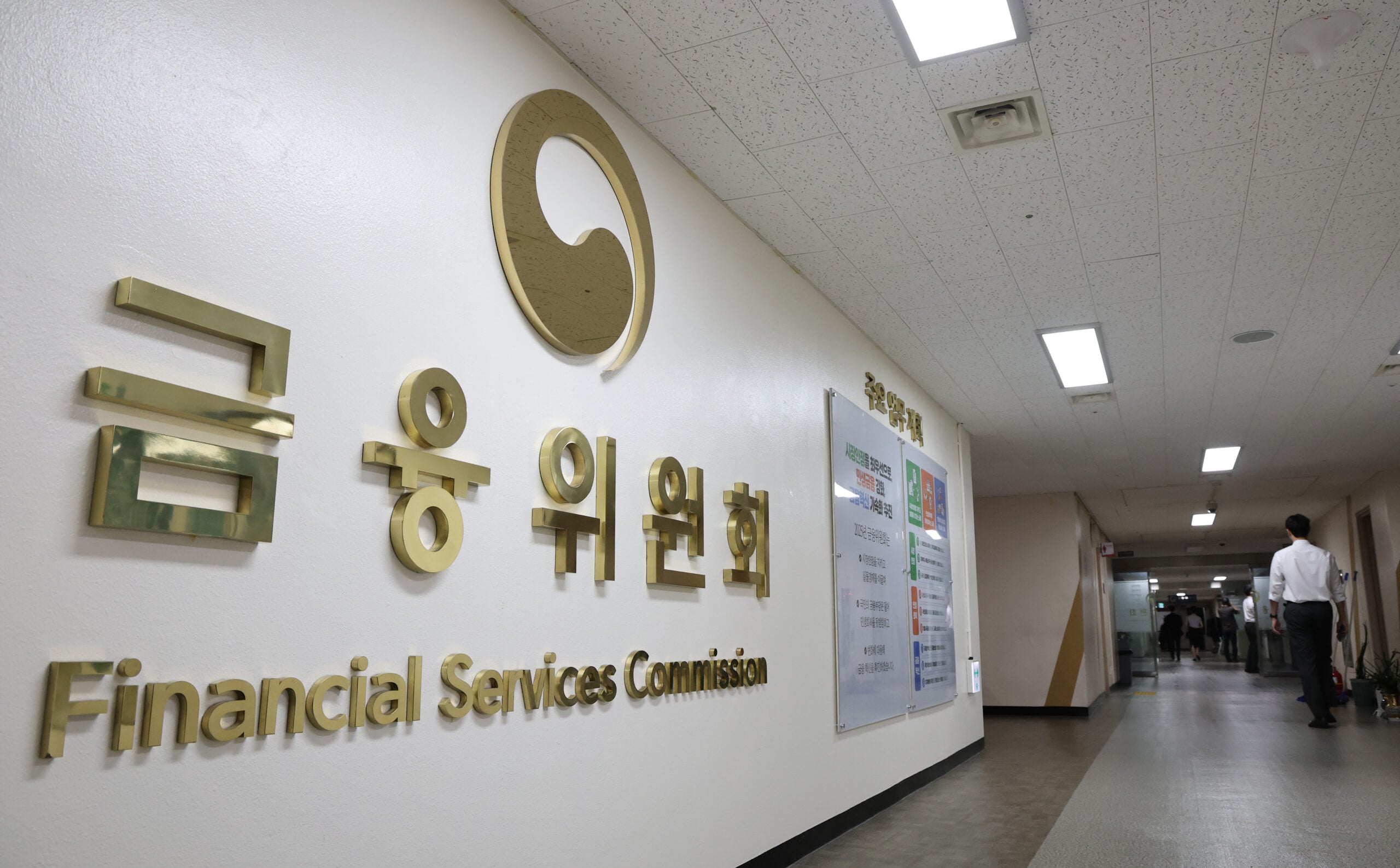
South Korea’s Financial Services Commission has urged domestic crypto exchanges to strengthen security following the Binance hack. An emergency meeting on November 2 reviewed wallet controls and incident readiness, followed by a broader financial-sector cyber defence announcement on November 5.
The response goes beyond storing more assets offline. Authorities are examining the systems, staff permissions and external connections that can give attackers a route into financial infrastructure.
Key Takeaways
- The FSC reviewed exchange access controls, wallet signing and administrator privileges.
- It urged higher cold-wallet shares, continuous monitoring and additional response capacity.
- A wider November 5 programme includes inspections and planned reporting guidelines for virtual asset providers.
What the Exchange Review Covered
In its November 2 announcement, the FSC said it met with the Financial Supervisory Service, Financial Security Institute, DAXA and major virtual asset businesses. The meeting assessed the Binance incident’s domestic implications and operators’ response systems.
The regulator focused on access to computer systems, withdrawal approval and signing arrangements, and management of administrator privileges. It urged exchanges to increase cold-wallet holdings, monitor deposits and withdrawals continuously, secure more response personnel and share abnormal-access alerts quickly.
Those priorities address several points in a potential attack. Keeping keys offline reduces one form of exposure, while permission controls determine who can reach the systems that authorise transactions. UEEx’s Binance incident report explains why employee devices and signing access came under scrutiny.
Cold Storage Is an Existing Requirement
The FSC’s guidance on the Virtual Asset User Protection Act sets a minimum cold-wallet holding level of 80% of users’ virtual assets by economic value. It also describes insurance or reserve requirements for incidents such as hacking and computer failure.
The latest call to raise cold-wallet shares should therefore be distinguished from the existing baseline. The emergency meeting announcement did not establish a new universal percentage that every exchange must immediately meet.
Storage ratios also need context. They describe the allocation of assets at a point in time, rather than proving that every device, approval process or withdrawal system is secure. Our wallet security guide explains how storage choices fit alongside other safeguards.
Broader Inspections Announced on November 5
The FSC’s November 5 cyber defence update outlines inspections covering around 580 financial businesses. Checks include externally accessible systems, APIs, authentication, development environments and internal decision-making responsibilities.
The regulator aims to complete inspections of registered external contact points by the end of November and internal-control examinations by year-end. It also plans guidelines requiring virtual asset service providers to report hacking incidents immediately to financial authorities, addressing a gap in the current reporting arrangements.
A joint information-sharing system is scheduled for pilot operation in December, with wider adoption planned for the first quarter of 2027. These are implementation targets and proposed measures, rather than evidence that every component is already operating.
What This Means for Exchange Users
The review is a preventive response, not a statement that every participating exchange has suffered a breach. Customers should assess individual platform notices, supported services and withdrawal conditions instead of treating an industry-wide meeting as confirmation of losses at their provider.
Connected trading tools also deserve attention. An exchange account can depend on external software for monitoring or order execution. Our SignalPlus API security update shows why reviewing those connections is a separate task from checking the exchange’s own infrastructure.
Keep transaction records and use verified support channels when investigating a disruption. If an exchange changes service availability, check the stated reason and scope before assuming the same restrictions apply to every asset or network. Note when each announcement was issued, because a later operational update may replace an earlier warning or change the available services.
Conclusion
South Korea’s response combines immediate exchange checks with a wider cyber defence programme. The practical test will be implementation: stronger access controls, effective monitoring, clear reporting and verified remediation. Higher cold-storage shares can help, but they form only one part of protecting customer assets.