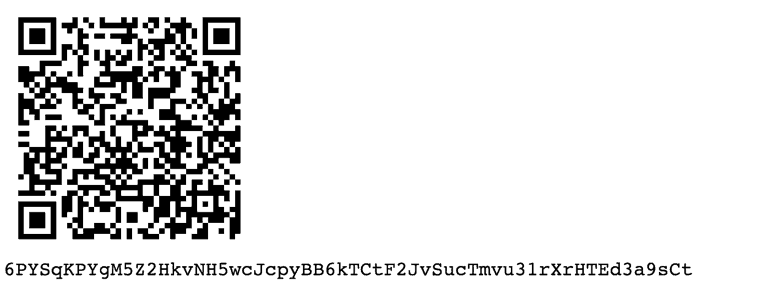
Private keys are randomly created during the initialization process of a new wallet, whether that is a software, online, hardware or paper wallet.
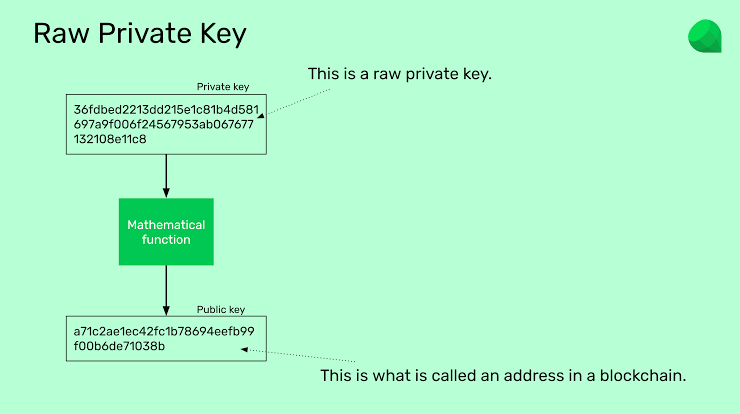
The private key is mathematically linked to one or more derived public keys and addresses through the use of elliptic curve cryptography.
Can Someone Guess or Crack a Private Key?
A 256-bit private key has more possible combinations than there are atoms in the observable universe — roughly 2²⁵⁶ possibilities.
No computer that exists or is theoretically possible in the near future could brute-force through that range in any meaningful timeframe.
The security doesn’t come from hiding the key in a database, it comes from the mathematics being genuinely irreversible.
The public key is derived from the private key through a one-way function: easy to go forward, computationally impossible to reverse.
This is why losing your key is permanent, the same math that makes it uncrackable also makes it unrecoverable.
What You Can Actually Do With a Private Key
Most explanations stop at “it lets you access your funds.” That undersells what’s actually happening. Your private key does three specific things:
Send crypto. When you initiate a transfer, your wallet uses your private key to cryptographically sign that transaction.
The network checks that signature against your public key if it matches, the transfer goes through. If it doesn’t, nothing moves.
Prove ownership. The blockchain doesn’t know your name. It only recognizes cryptographic proof. Your private key is that proof.
It’s not tied to an email, a passport, or a username, it’s math. Anyone who holds it, owns the funds. Full stop.
Sign messages and verify identity. Beyond transactions, private keys can sign messages off-chain useful for proving wallet ownership to a dApp, a DAO, or a smart contract without moving any funds.
Join UEEx
Experience the World’s Leading Digital Wealth Management Platform
Not Your Keys, Not Your Coins — What It Actually Means
This phrase gets repeated constantly in crypto circles, but it’s worth unpacking what it actually means for someone holding funds on an exchange.
When you buy Bitcoin on Coinbase, Binance, or any centralized platform, you don’t hold the private key. The exchange does.
That means technically, they control the coins. You hold an IOU, an entry in their database that says you own X amount.
If the exchange freezes withdrawals, gets hacked, or collapses (as FTX did in 2022, wiping out billions in user funds), your “balance” can vanish because you never had the actual key.
Holding your own private key — self-custody — means no third party stands between you and your funds. It also means full responsibility.
But for anyone holding more than a small trading balance, understanding this distinction is non-negotiable.
Custodial vs. Non-Custodial Wallets
There are two types of wallet arrangements, and the difference comes down to who controls the private key.
Custodial wallets: exchanges and apps like Coinbase, Binance, or Kraken manage your private key on your behalf. You log in with a username and password. The platform handles the cryptography.
This is convenient, especially for beginners, but it means trusting the platform’s security, solvency, and compliance with your funds.
Non-custodial wallets — MetaMask, Trust Wallet, hardware wallets like Ledger and Trezor put the private key in your hands. You control it, you secure it, and you are responsible for it entirely.
There is no support line if you lose it. But there is also no exchange that can freeze your withdrawal or misuse your funds.
For active traders using UEEX and similar platforms, a hybrid approach is common: keep what you’re trading on the exchange, hold long-term positions in a non-custodial wallet under your own key.
Private Key Formats
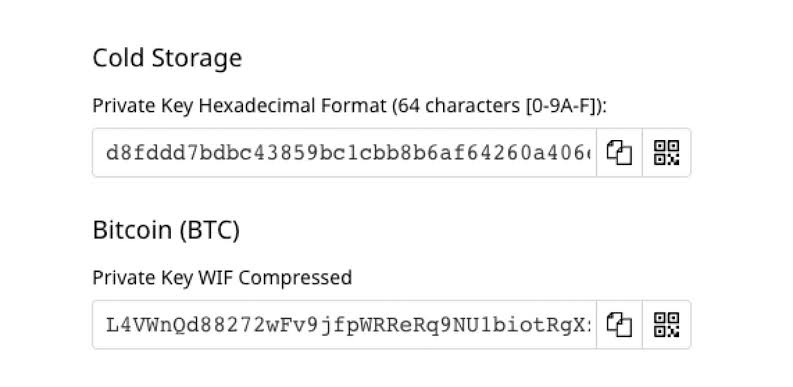
While serving the same basic purpose across all cryptocurrencies, private keys can take on different formats depending on factors like the wallet software, network and intended usage:
A Wallet Import Format (WIF) private key allows you to import a Bitcoin or crypto address and its corresponding funds into certain wallet applications.
It consists of a base58-encoded string that begins with 5 for Bitcoin addresses and represents the private key in a format wallets can understand.
While easy to import, WIF keys should still be handled with care as they are not encrypted. Keep them securely backed up and stored offline as much as possible.
Opt for encrypted formats like keystore files if you wish to access keys regularly through online wallets or exchanges.
Storing a private key in its raw hexadecimal format gives you full control without restrictions but requires diligent security practices.
As an unencrypted number string, raw keys offer no built-in protections against compromise. If leaked or stolen, anyone possessing the key could drain associated addresses.
For this reason, raw keys should never be input or stored on devices connected to the internet.
Offline cold storage solutions like hardware wallets are optimal as they allow generating addresses and signing transactions without exposing the key itself.
Additionally, consider partitioning funds and using multiple addresses for improved resilience against complete loss.
Keystore/JSON File
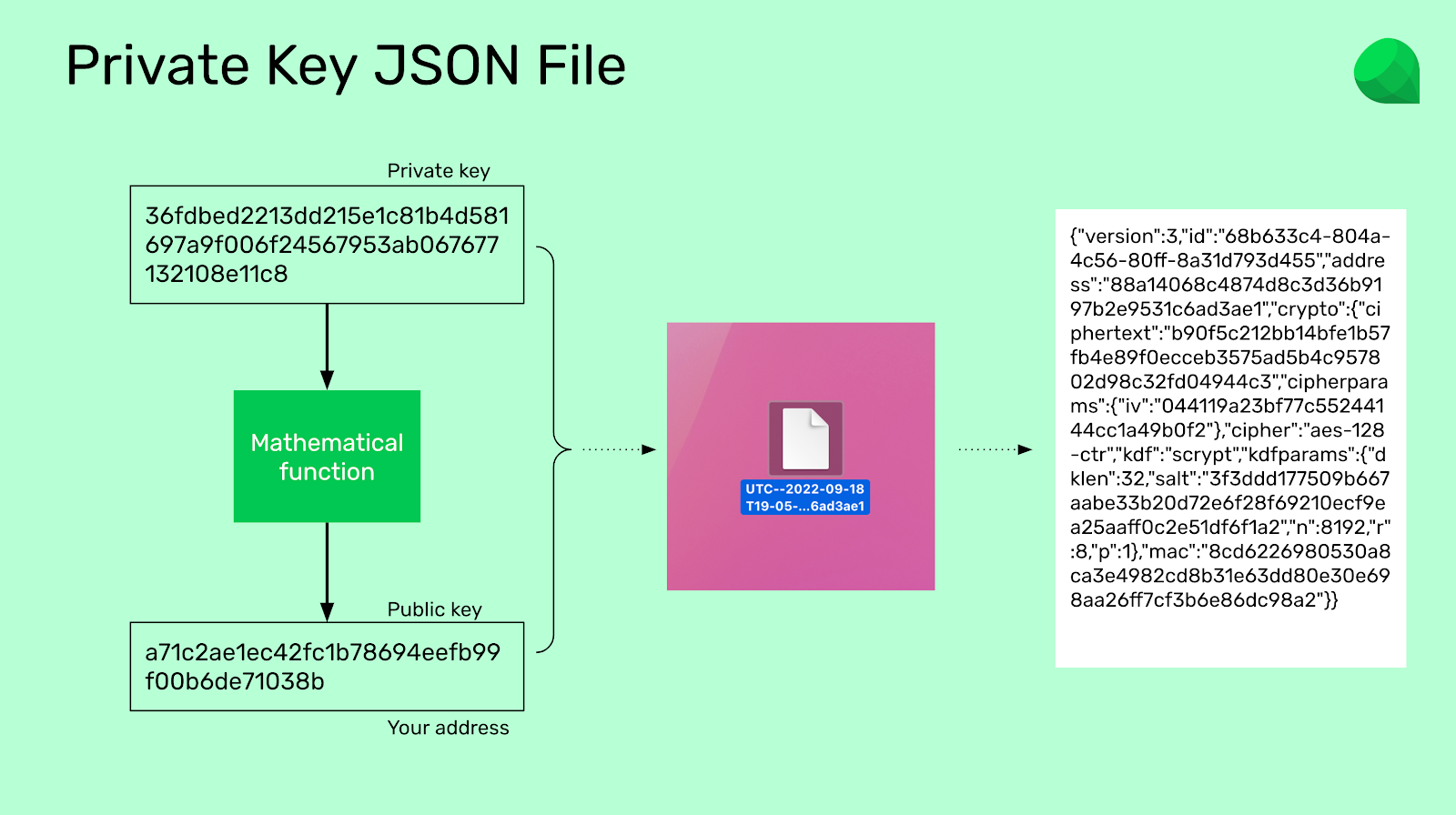
A keystore or JSON file is an encrypted file format used by many cryptocurrency wallets like MetaMask to store private keys.
It contains the key encrypted with a password and other metadata needed to unlock it in the wallet application. This provides security through obscurity as the encrypted key is not exposed in raw format.
However, the password becomes a new attack vector, so it must be chosen and stored carefully.
When using keystore files, only open them on trusted devices, avoid reusing passwords across accounts, and do not store the password digitally or share the file itself publicly.
Be aware that decrypting the key requires access to both the keystore file and password, so backups must be made of both.
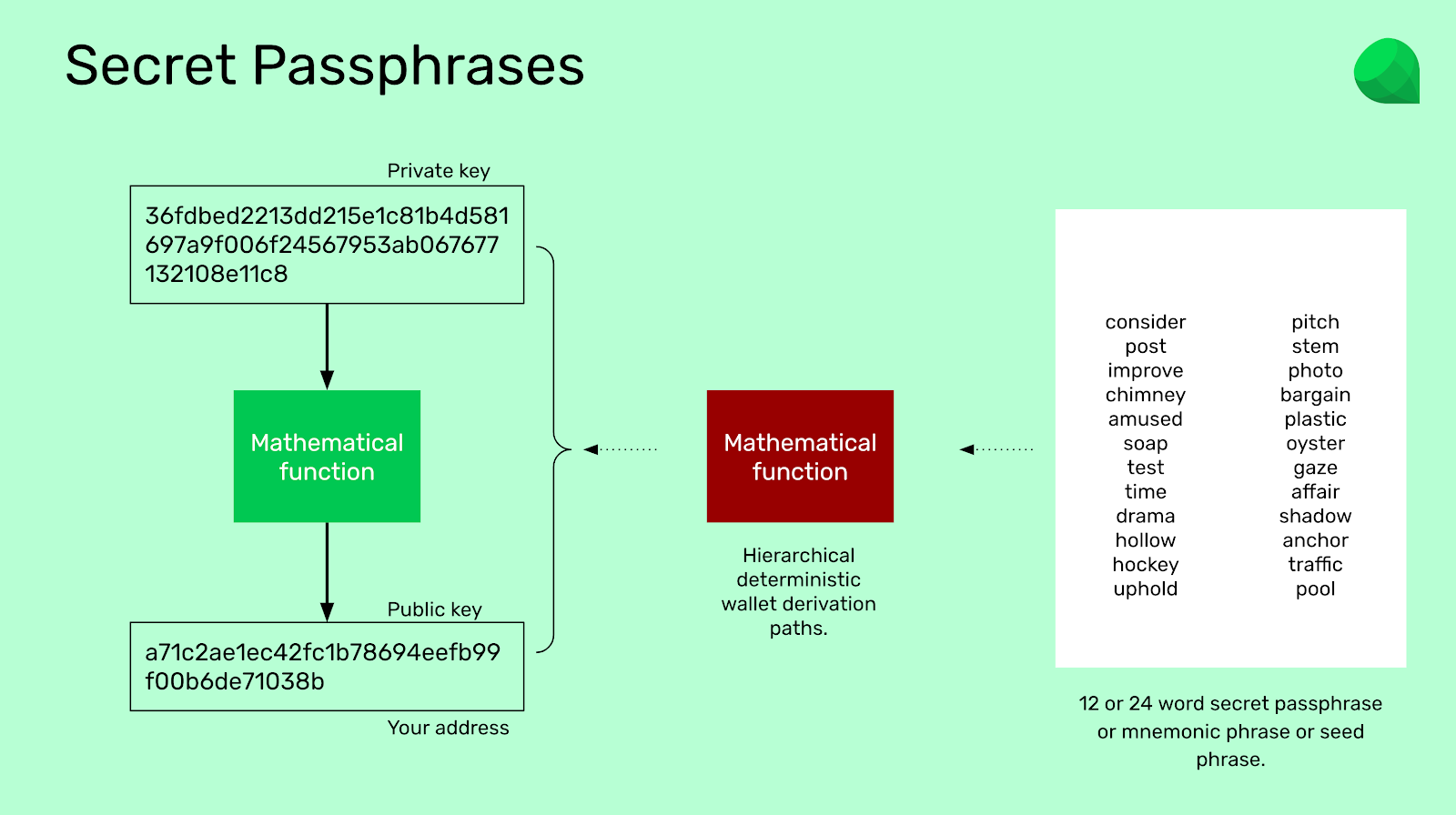
A mnemonic seed phrase, also known as a recovery phrase, allows users to easily back up their crypto wallet and recover funds in the event their private keys are lost.
It consists of a list of 12 or 24 random words which are derived from the original private key.
Through a hierarchical deterministic (HD) wallet setup, the seed phrase can be used to regenerate the private keys and addresses associated with a wallet.
This provides a simple yet secure way to backup a wallet without needing access to the actual private keys.
However, seed phrases should still be handled carefully, as possessing this recovery data essentially gives complete control over the wallet and its funds.
It is best to store seed phrases securely offline in multiple physical locations to prevent loss and minimize risks of theft or unauthorized access in case of digital compromise.
A BIP38 encrypted private key adds an additional layer of security by requiring a passphrase to decrypt the key and access the funds.
Through the BIP38 encryption standard, the private key is scrambled and can only be unscrambled with the correct passphrase.
This protects the key if it is somehow exposed publicly, as hackers would still need the passphrase to utilize it. However, the passphrase becomes the new single point of failure, so it must also be stored securely.
Join UEEx
Experience the World’s Leading Digital Wealth Management Platform
BIP38 keys strike a good balance between accessibility and protection, but users must remain diligent about passphrase security practices like using strong, unique passwords and not reusing them across accounts or storing them digitally.
Proper precautions are needed to prevent loss of funds in the event of passphrase theft or forgetfulness.
Storing a private key in its raw unencrypted plaintext format gives full control over the funds but provides no security against unauthorized access if the key is exposed.
As a long string of numbers and letters, anyone possessing this key could instantly access and transfer all associated crypto assets.
For this reason, plaintext private keys should never be stored digitally or input online, as even momentary exposure puts everything at risk.
The most secure option is to generate keys offline in secure “cold storage” hardware wallets that never connect to the internet.
Alternatively, keys can be encrypted using standards like BIP38 that require additional authentication before use.
With great control comes great responsibility, so diligent security practices are necessary when handling plaintext keys to avoid catastrophic private key compromise through loss, theft or digital exposure.
Generating Private Keys
The process of generating private keys depends on the type of wallet being used:
Software Wallets: When first initializing a software wallet like Exodus or Electrum, the program randomly creates one or more private keys that are saved to the device.
Some allow exporting as WIF format for manual backups.
Hardware Wallets: Devices like Ledger and Trezor produce private keys in a secure environment to prevent exposure. The seed phrase or PIN provides access to derive related keys.
Paper Wallets: Websites like BitAddress can generate private keys offline for printing and storage without digital access. Requires extreme care and may be impractical for frequent transactions.
Online/Exchange Wallets: Custodial services hold private keys on the user’s behalf and facilitate transactions through website accounts rather than independent keys.
In all cases, private keys should only be created in a secure, offline computer or dedicated hardware wallet to prevent malware, keyloggers or network snooping from observing their value.
Generating keys randomly is crucial to avoid patterns that could be guessed or cracked.
Does Your Private Key Change When You Move to a New Wallet?
No and this confuses a lot of people making their first wallet migration. When you move from one wallet app to another, you’re not creating a new private key.
You’re importing the existing one using your seed phrase. The key and its associated blockchain address stay the same. What changes is the software interface you use to interact with it.
This matters because it means your backup, your seed phrase is what you’re protecting long-term, not the app.
Delete the app and reinstall it tomorrow. As long as you have the seed phrase, the funds are accessible from any compatible wallet.
Private Key Storage
Once private keys are generated, secure storage is paramount to preventing theft or loss of funds.
While no single option is foolproof, diligently following security best practices can help maximize protection based on individual threat models and risk tolerance levels.
Let’s reveal the main storage methods:
Software and Online Wallets
Storing private keys within online or software-based wallet applications provides convenience but relies on the security practices of the wallet provider.
Funds are only as safe as the company or development team. Major risks include data breaches exposing keys, vulnerabilities enabling remote hacking, and legal/regulatory issues potentially freezing accounts.
Some mitigations include using reputable services with strong security auditing, avoiding storing large long-term balances, enabling all authentication options like two-factor authentication, avoiding phishing sites, and monitoring for unauthorized access.
Regularly backing up wallet files and seed phrases also helps if the provider fails.
Hardware Wallets
Hardware wallets like Ledger and Trezor are considered the gold standard approach, generating and signing transactions from isolated secure elements to protect private keys even if the device itself is compromised.
Built-in screens allow verification of transaction details without exposing keys to other hardware.
Keys are typically derived from a recovery seed phrase or PIN that must be properly documented and stored separately in case of device loss or failure.
Physical security of the device also remains important – storing it in a fireproof safe or bank deposit box when not in use helps prevent loss or theft.
Manufacturers provide firmware updates to patch vulnerabilities, so keeping devices up-to-date is also important.
Paper Wallets
Printed paper wallets provide simple, durable backups by storing private keys offline without reliance on technology or third parties that could fail.
Multiple copies should be made and stored in different secure locations to mitigate risk of fire or flood destroying a single copy.
However, private keys are vulnerable if the paper is lost, stolen, damaged, or falls into the wrong hands.
Regularly sweeping funds into new addresses and shredding obsolete backup papers helps improve security over time against physical risks or advances in cryptanalysis.
Long-term cold storage via paper is not ideal for holdings intended to be transacted frequently.
Proper secure storage of printed keys is also required, such as within safety deposit boxes, buried waterproof containers, or disguised locations in the home.
Join UEEx
Experience the World’s Leading Digital Wealth Management Platform
Storing private keys, wallet files or seed phrases as encrypted digital backups provides accessibility without relying on physical papers, while cryptography helps protect the keys themselves.
Options include encrypted disk images, password-protected documents, cloud storage lockers, or hardware security modules.
Risks include losing encryption passwords, vulnerabilities in algorithms enabling future cracking, and data leaks exposing backup locations which could aid brute force attacks against the encryption.
Storing master passwords using proven techniques like dicewords and storing password hints/clues offline helps mitigate such risks.
Regularly updating to new file/cloud storage versions also ensures use of current encryption standards.
Multi-Signature Wallets
Dividing key material across separate devices, locations or parties according to multisignature schemes provides redundancy against any single point compromising the full set of keys needed to authorize transactions.
Popular options include basic 2-of-3 setups requiring two of three participants to sign, up to more advanced techniques like Shamir’s Secret Sharing splitting a key into threshold shares.
Complexity is increased, but the security bar is raised significantly against threats targeting individual keys.
Air-gapped cold storage solutions fall under this model, with keys held on dedicated offline computers not connected to networks vulnerable to malware or hacking attempts.
Regular testing and documentation of procedures remains important to ensure ease of use in an emergency.
Physical Storage
Engraving, etching or physically storing private keys, recovery seeds or wallet backups removes reliance on technology but introduces risks of physical damage or loss.
Options like stamping onto metal plates, etching onto glass, or hiding in secure physical locations all provide durable long-term protection against electrical, electromagnetic or cyber threats.
Private Key Security Risks
While private keys empower users with full control over funds, they also represent single points of failure if compromised:
Malware/Keyloggers: Viruses and spyware pose a persistent risk of silently stealing keys during generation or storage on internet-connected devices.
Physical Theft: Hardware wallets, paper backups or cloud drive contents containing unencrypted keys are vulnerable if lost or stolen.
Online Attacks: Phishing, trojans or brute force cracking attempts target weak passwords/pins guarding keys or steal them from insecure exchanges/services.
Data Breaches: Centralized storage of keys by exchanges or custodial services faces risks if databases or backups are hacked,as seen with FTX in 2022, when the collapse exposed billions in user funds held under platform custody.
Insider Threats: Employees of wallet providers, exchanges or hosted services could potentially access keys given sufficient system privileges or incentive for theft.
Social Engineering: Deception or manipulation may trick users into revealing keys, resetting passwords or approving fraudulent transactions under false pretenses.
Memory Loss: Forgotten passwords, lost/damaged paper backups or failure to properly secure seed phrases results in permanent lockout from funds.
Proper key management through secure storage, encryption, password managers, hardware wallets, regular backups, authentication best practices and caution around unsolicited contacts helps users stay in control of their digital wealth despite these threats.
What Happens If You Lose Your Private Key?
This is the question most people only ask after it’s too late. If you lose your private key and have no seed phrase backup your crypto is gone.
Not frozen. Not recoverable via support ticket. Gone.
The coins still exist on the blockchain. Anyone can see the balance. But without the key, no one can move them not you, not an exchange, not a court order.
There is no password reset. There is no “forgot my key” link.
Stefan Thomas, a programmer who made headlines in 2021, has 7,002 Bitcoin locked in an encrypted IronKey drive.
He forgot the password and had used his last attempts. The Bitcoin sits there, permanently visible and permanently inaccessible worth hundreds of millions.
His case isn’t rare in principle; it’s just big enough to make the news.
The only reliable recovery option is a seed phrase backup made before the loss. If you have that, you can regenerate your private key.
If you don’t, no service, no specialist, and no brute-force attempt will get you back in. Back up your seed phrase before you need it.
Join UEEx
Experience the World’s Leading Digital Wealth Management Platform
What’s the Difference Between a Private Key and a Seed Phrase?
They’re related but not the same thing.
A private key is a single cryptographic string that controls one specific wallet address.
A seed phrase — usually 12 or 24 words — is a master backup that can generate an entire tree of private keys and addresses from a single starting point.
Conclusion
In summary, private keys are the fundamental building blocks powering cryptocurrency ownership and require diligent security practices.
With care, various solutions can help users safely manage growing collections of keys and addresses into the future while avoiding loss of funds through compromise or loss of access.
Continuous education also helps individuals and projects advance industry best practices.
Ayodeji Akingbade is a seasoned content writer with years spent explaining complex financial topics, cryptocurrencies, and investments in easy-to-understand terms. He is passionate about the intersection of money, technology and how individuals can achieve their goals through strategic use of available resources.
Ayodeji strives to create content that is both informative and engaging. Whether the subject is cryptocurrency trading strategies or real estate investment tips, his writing ensures the reader walks away feeling their time was well spent. When not putting pen to paper, Ayodeji enjoys developing sales pitches for real estate clients or cheering on his favorite football team.
Disclaimer: This article is intended solely for informational purposes and should not be considered trading or investment advice. Nothing herein should be construed as financial, legal, or tax advice. Trading or investing in cryptocurrencies carries a considerable risk of financial loss. Always conduct due diligence before making any trading or investment decisions.
Trade with proof of Reserves
UEEx publish monthly audits and third party verification on every listed market.