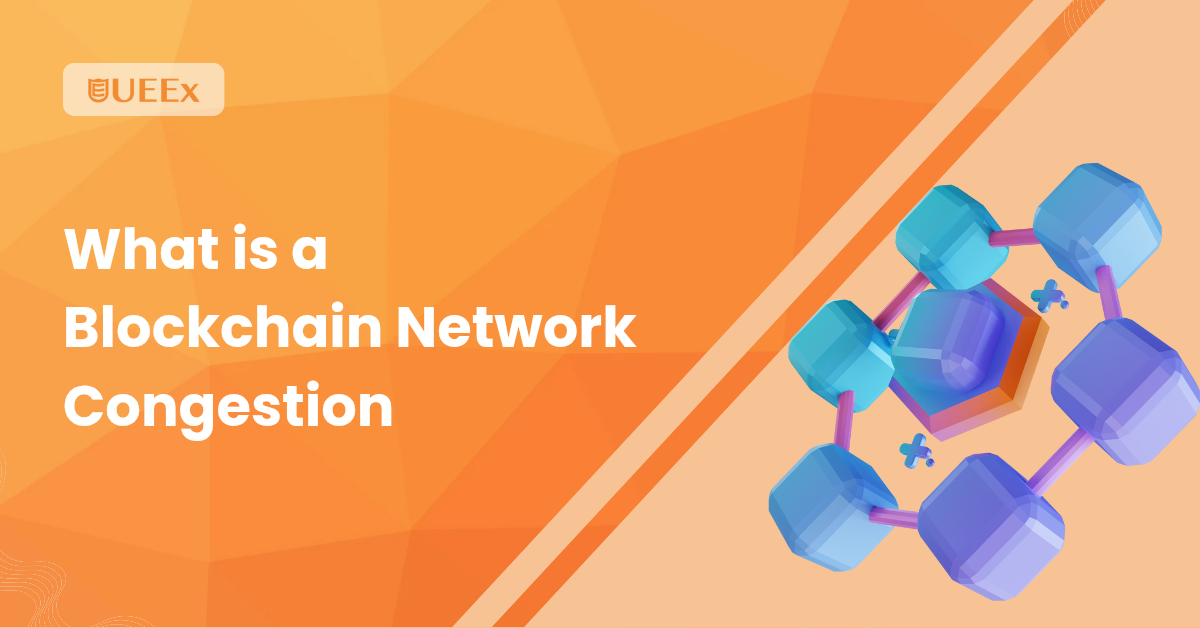
Adaptive blockchain scaling refers to the ability of a blockchain network to dynamically adjust its capacity based on current demand. This approach aims to optimize performance and efficiency by responding to fluctuations in user activity.In practice, adaptive scaling can involve various techniques, such as modifying block sizes, adjusting transaction fees, or implementing layer-two solutions like payment channels. By allowing the system to react in real-time, it helps maintain fast transaction speeds and reduces congestion, especially during periods of high usage.The goal of adaptive scaling is to provide a seamless user experience while ensuring the network remains secure and decentralized. This flexibility is increasingly important as blockchain applications grow, requiring networks to handle higher transaction volumes without compromising on performance. Overall, adaptive blockchain scaling seeks to create a more resilient and efficient infrastructure that can keep pace with evolving needs and challenges.