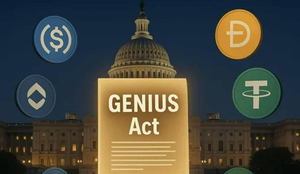
The Office of the Comptroller of the Currency (OCC) plans to finalize its rules for implementing the GENIUS Act by November, giving stablecoin issuers a clearer timeline ahead of the law’s expected implementation in January 2027.
OCC Comptroller Jonathan Gould announced the target on August 19 at the Wyoming Blockchain Symposium. He said the agency has reviewed industry feedback on its 376 page proposal released in February and intends to complete the final framework before the end of the year.
“We are very intent on moving quickly and getting a final rule out by November so that we will be able to start processing applications within the new year.”
Key Takeaways
- The OCC expects to finalize its GENIUS Act rules by November.
- The agency plans to begin processing stablecoin issuer applications in 2027.
- The OCC’s original proposal covers reserves, redemptions, custody, reporting and supervision.
OCC Sets November Target After Missed Deadline
The GENIUS Act was signed into law in July 2025 and established a federal framework for payment stablecoins in the United States. Federal regulators were expected to complete their implementing rules within one year. That deadline passed on July 18, 2026, without the OCC and other relevant agencies finalizing all of their required regulations.
The OCC released its proposed framework in February, opening a 60 day public comment period that ended on May 1. Gould said the agency has considered feedback from the industry and is making changes before issuing the final rules.
The November target is significant because the GENIUS Act is scheduled to take effect on January 18, 2027, unless the framework becomes effective earlier under the law’s timeline.
What the OCC Framework Covers
The OCC’s proposed rules address several requirements that will shape how payment stablecoin issuers operate. These include eligible reserve assets, redemption requirements, liquidity and risk management, audits, reporting, custody and regulatory examinations. The proposal also covers applications for companies seeking federal qualified payment stablecoin issuer status, along with provisions affecting certain bank, state and foreign issuers. The final version could still differ from the February proposal following the public comment process.
The OCC is also handling certain compliance requirements separately. Rules covering areas such as anti money laundering, sanctions and Bank Secrecy Act obligations are being developed through additional regulatory work involving the Treasury Department and other agencies.
Other Regulators Still Have Work to Finish
The OCC is only one part of the GENIUS Act implementation process. The Treasury Department, Federal Deposit Insurance Corporation and Federal Reserve are also working on regulations connected to the stablecoin framework. Several agencies have published proposals, but the broader regulatory package had not been fully finalized by the July deadline.
The Treasury took another step forward on August 17 by publishing its own proposed rules covering when a payment stablecoin is considered issued or sold in the United States. This means stablecoin companies are still waiting for several pieces of the regulatory framework to come together before they can fully assess their obligations under the new law.
Stablecoin Issuers Prepare for 2027
If the OCC meets its November target, companies seeking authorization will have a clearer picture of the requirements they must satisfy before applications begin in 2027. The final rules could influence how issuers structure their reserves, manage redemptions, maintain custody arrangements and meet reporting and supervision requirements.
For banks, fintech companies and crypto firms entering the stablecoin market, the regulatory timeline could also affect product launches and partnerships planned for next year.
Gould has indicated that the OCC is prioritizing implementation of legislation that has already become law, while broader cryptocurrency legislation such as the Clarity Act remains unresolved in Congress.
Conclusion
The OCC’s November deadline gives the stablecoin industry a concrete date to watch after regulators missed the GENIUS Act’s July rulemaking deadline.
The final OCC rules will be particularly important for companies seeking federal authorization, but the wider framework still depends on the work of other U.S. regulators. With the GENIUS Act scheduled to take effect in January 2027, the next few months will determine how much regulatory clarity stablecoin issuers have when they begin preparing applications.