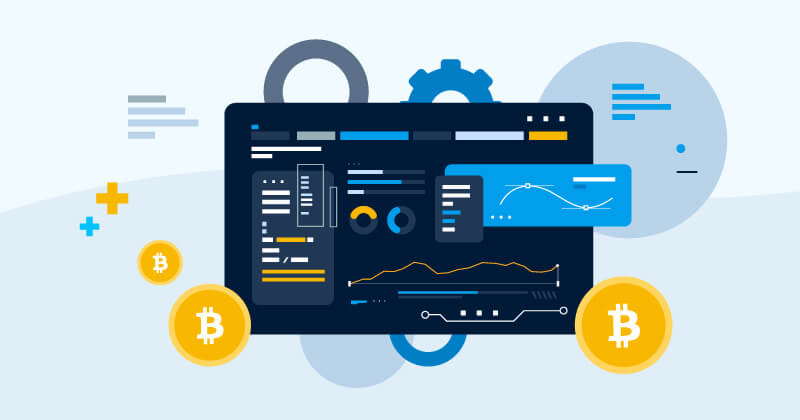
Cryptocurrency portfolio management platforms are tools that consolidate your digital asset holdings across multiple exchanges, wallets, and DeFi protocols into a single tracked view. As of Q1 2026, the global crypto asset management software market is valued at approximately $1.57 billion and projected to exceed $11.7 billion by 2034, driven by rising retail and institutional adoption. With over 562 million people worldwide holding crypto, the practical need for structured portfolio oversight has grown from a convenience into a necessity for anyone managing assets across more than one account.
Key Takeaways
Cryptocurrency portfolio management platforms offer a centralized hub for all your crypto accounts, eliminating the need to juggle logins across multiple exchanges and wallets
Features like automated transaction tracking and tax report generation streamline portfolio management, saving you time and effort.
The platforms offer advanced analytics and insights to help you identify profitable opportunities, assess risk, and make informed investment decisions.
Choose a platform that aligns with your investment style and needs. Consider factors like feature sets, security measures, and data accuracy.
What Are Cryptocurrency Portfolio Management Platforms?
These are software applications designed to give investors a unified view of their digital asset positions. Unlike a traditional brokerage dashboard, a crypto portfolio platform must simultaneously connect to decentralized wallets, multiple centralized exchanges, DeFi protocols, and sometimes NFT marketplaces.
The core problem they solve is fragmentation. A typical active crypto investor may hold assets on three or four exchanges, two hardware wallets, and several DeFi protocols. Without a dedicated tool, calculating net returns, tax obligations, or risk exposure across all those accounts requires manual work that is both time-consuming and error-prone. As of 2026, platforms like CoinStats serve over 1.2 million active users by aggregating data from more than 300 wallets and exchanges in real time.
How Do Crypto Portfolio Platforms Actually Work?
Most platforms combine two data collection methods. For exchange accounts, the platform pulls your transaction history and live balances through the exchange’s public API using read-only keys – no withdrawal access is granted. For self-custody wallets, you provide a public address, and the platform reads blockchain data directly.
From that data, the platform calculates your cost basis for each asset (using FIFO, HIFO, or other accounting methods), realized and unrealized profit and loss across every position, allocation percentages by asset or chain, and historical performance against benchmarks like Bitcoin or Ethereum. More capable platforms layer in automated rebalancing, tax-lot optimization, and AI-assisted price alerts.
Platform Type
Best For
Examples
Key Strength
Dedicated Trackers
Active retail investors
CoinStats, Delta
Multi-exchange aggregation
Tax-Focused Platforms
Tax-conscious traders
Koinly, CoinTracker, Blockpit
Automated tax form generation
Algorithmic / Rebalancing
Quantitative traders
Shrimpy, 3Commas
Automated rebalancing and bots
Open-Source Tools
Privacy-focused users
Rotki
Local data storage, no cloud
Exchange-Native Dashboards
Single-exchange traders
Binance, Coinbase, UEEx
Deep integration with live trading
On-Chain Analytics Platforms
Institutional and advanced users
Nansen
Smart money wallet tracking
Net Worth Trackers
Multi-asset investors
Kubera
Syncs crypto alongside stocks, property, and bank accounts
Join UEEx
Experience the World’s Leading Digital Wealth Management Platform
What Features Should You Actually Evaluate Before Choosing a Platform?
How Many Exchanges and Wallets Does It Support?
Exchange and wallet coverage is the most important technical specification. A platform supporting 50 exchanges is functionally useless if it does not cover the one you trade on most. Leading trackers like CoinStats and Koinly support 300+ integrations as of 2026. Always verify your specific wallets and exchanges appear on the supported list before committing.
Does It Offer Real-Time Price Updates?
For active traders, delayed price data can misrepresent portfolio value by significant margins during volatile periods. Bitcoin’s annualized volatility regularly exceeds 60–70%, meaning a 30-minute data lag during a major price move can show values thousands of dollars off from reality. Platforms with real-time or near-real-time price feeds are worth the premium for active investors.
How Does It Handle Tax Reporting?
Tax platforms like Koinly, CoinTracker, and Blockpit automatically generate forms compatible with IRS Schedule D and connect directly to services like TurboTax and H&R Block. This matters significantly in jurisdictions where every crypto-to-crypto trade is a taxable event. Manual tax calculation across hundreds of trades is both time-consuming and prone to errors that can create compliance problems.
What Security Measures Does It Use?
Since these platforms store API keys, security is non-negotiable. Before signing up, confirm:
Two-factor authentication enforced on login
Read-only API key restrictions with no withdrawal permissions
End-to-end encryption for stored credentials
A published policy on whether your transaction data is sold or shared
An independently audited security infrastructure (for paid/institutional plans)
Open-source platforms like Rotki take a different path by storing all data locally on your machine, which eliminates cloud breach risk entirely at the cost of requiring more technical setup.
How Do the Top Platforms Compare on Price and Features?
Platform
Free Tier
Paid Plans (approx.)
Tax Reporting
DeFi Support
Best For
CoinStats
Yes
From ~$7/month
Partial
Yes (300+ integrations)
All-round retail tracker
Koinly
Yes (no export)
From ~$49/year
Full (20+ countries)
Yes
Tax-focused investors
Blockpit
Yes
From ~$59/year
Full (EU focus)
Yes
European tax compliance
Nansen
Limited
From ~$150/month
No
Deep on-chain
Institutions, advanced analysts
Shrimpy
Yes
From ~$13/month
No
Limited
Automated rebalancing
Rotki
Yes (open-source)
From ~$11/month
Yes
Yes
Privacy-first investors
CoinMarketCap
Yes (full basic)
N/A
No
Limited
Beginners, watchlist use
Kubera
No
From ~$150/year
No
Limited
Multi-asset net worth tracking
What Are the Advantages and Disadvantages of Using These Platforms?
Factor
Advantages
Disadvantages
Time savings
Automates tracking across all accounts
Initial setup can take hours for large portfolios
Tax compliance
Automated cost-basis calculation and form generation
Accuracy depends on complete transaction history import
Decision-making
Real-time analytics support informed rebalancing
Over-reliance on dashboards can create false confidence
Security
Read-only API access limits exposure
Platform breaches can expose linked account data
Cost
Many free tiers available for basic tracking
Full-featured plans typically run $100–$300 per year
Privacy
Open-source options allow fully local data storage
Cloud-based tools collect and retain your transaction history
How Does Portfolio Rebalancing Work on These Platforms?
Rebalancing means restoring your portfolio to a target allocation after market movements have shifted the percentages. If you target a 60% Bitcoin / 40% Ethereum split and Bitcoin rallies hard, your allocation might drift to 75% / 25%. Rebalancing sells some of the overweight position and buys into the underweight one to restore the original ratio.
Manual rebalancing platforms show you the drift and let you execute trades separately on your exchange. Automated platforms like Shrimpy execute the trades themselves through connected APIs on a schedule you define – daily, weekly, or when drift exceeds a threshold you set. One practical caveat: in most jurisdictions, each rebalancing trade is a taxable event. Enabling automated rebalancing can generate dozens of taxable transactions per year, so review the tax implications before turning it on.
Join UEEx
Experience the World’s Leading Digital Wealth Management Platform
Is a Free Platform Enough, or Do You Need a Paid Plan?
For casual investors tracking a handful of assets across one or two exchanges, free tiers from CoinMarketCap or the basic CoinStats plan are usually adequate. Limitations typically appear when you cross 50–100 transactions, need to export tax reports, or want automated alerts and rebalancing functionality.
Paid plans generally start around $8–$15 per month for basic tax features and rise to $300 or more per year for professional-grade analytics with unlimited transaction history. Institutional tools like Nansen operate on custom pricing designed for funds and professional traders running high transaction volumes.
Frequently Asked Questions
Are cryptocurrency portfolio management platforms safe to use?
Most reputable platforms use read-only API keys, meaning they can view your balances and transaction history but cannot move funds. This significantly limits security exposure. That said, no platform is immune to data breaches. Using strong passwords, enabling 2FA, and selecting platforms with transparent security audits reduces your risk substantially. Privacy-focused investors should consider local-storage tools like Rotki as an alternative to cloud-based services.
Can these platforms automatically handle my crypto taxes?
Tax-focused platforms like Koinly, CoinTracker, and Blockpit generate tax documents compatible with major filing services, including IRS-ready forms for US investors. They calculate gains, losses, and cost basis across your entire transaction history. However, complex situations – DeFi yield farming, liquidity pool exits, or missing transaction records – may require manual correction before you file. Treat the output as a starting point, not a guaranteed final answer.
What is the difference between a portfolio tracker and an exchange dashboard?
An exchange dashboard shows only the assets held on that specific exchange. A dedicated portfolio tracker aggregates data from multiple exchanges, self-custody wallets, DeFi protocols, and sometimes NFT platforms into a single unified view. If all your crypto sits on one exchange, the native dashboard may be sufficient. For anyone with holdings spread across multiple accounts, a dedicated tracker is far more practical and provides cross-portfolio analytics that exchange dashboards cannot replicate.
How does automated rebalancing software decide when to trade?
Automated rebalancing tools use one of two main triggers: time-based rebalancing (executing on a fixed schedule, such as weekly) or threshold-based rebalancing (executing only when a position drifts beyond a set percentage from its target, such as 5%). Threshold-based rebalancing tends to be more tax-efficient because it generates fewer trades, but the right approach depends on your goals, trading frequency, and tax jurisdiction.
Practical Tips for Getting the Most from a Portfolio Management Platform
Always use read-only API keys. Never grant withdrawal permissions to any third-party platform. Read-only access provides everything the platform needs to track your portfolio without creating a security gap.
Import your full transaction history before trusting any tax calculations. Incomplete history creates incorrect cost-basis figures. Most platforms support CSV imports for historical data predating the API connection.
Verify DeFi and NFT support before signing up. Many platforms still have coverage gaps that can make your reported gains misleading. Confirm your specific protocols are supported, not just the general category.
Set allocation alerts instead of just price alerts. Knowing when Bitcoin has grown from 50% to 65% of your portfolio is more actionable than knowing its price crossed a specific number.
Check for data sync errors monthly, not only during volatile periods. Regular reviews catch missing transactions and unexpected allocation drift before they compound into larger problems at tax time.
Use a tax-integrated platform if you trade more than a few times per month. Having a running record of taxable events throughout the year is far easier than reconstructing your trade history under deadline pressure.
UEEx Tip:Connect your UEEx account to a dedicated portfolio tracker using a read-only API key. This gives you a full cross-portfolio view without ever exposing your funds to third-party withdrawal risk.
Disclaimer: This article is for informational purposes only and does not constitute financial advice. Cryptocurrency investments carry significant risk. Always conduct your own research before making investment decisions.
Abdulafeez Olaitan is a writer and editor with quality experience in media, communications and finance. He is actively exploring blockchain technology & big data analytics. He has been nominated for the Rhysling Award and Pushcart Prize.
Disclaimer: This article is intended solely for informational purposes and should not be considered trading or investment advice. Nothing herein should be construed as financial, legal, or tax advice. Trading or investing in cryptocurrencies carries a considerable risk of financial loss. Always conduct due diligence before making any trading or investment decisions.
Trade with proof of Reserves
UEEx publish monthly audits and third party verification on every listed market.