Rome wasn’t built in a day, neither is a crypto portfolio. Bitcoin’s 2026 ride proves it. It fell sharply, then rebounded above $77,000 in August. Anyone waiting for the perfect entry was left guessing.
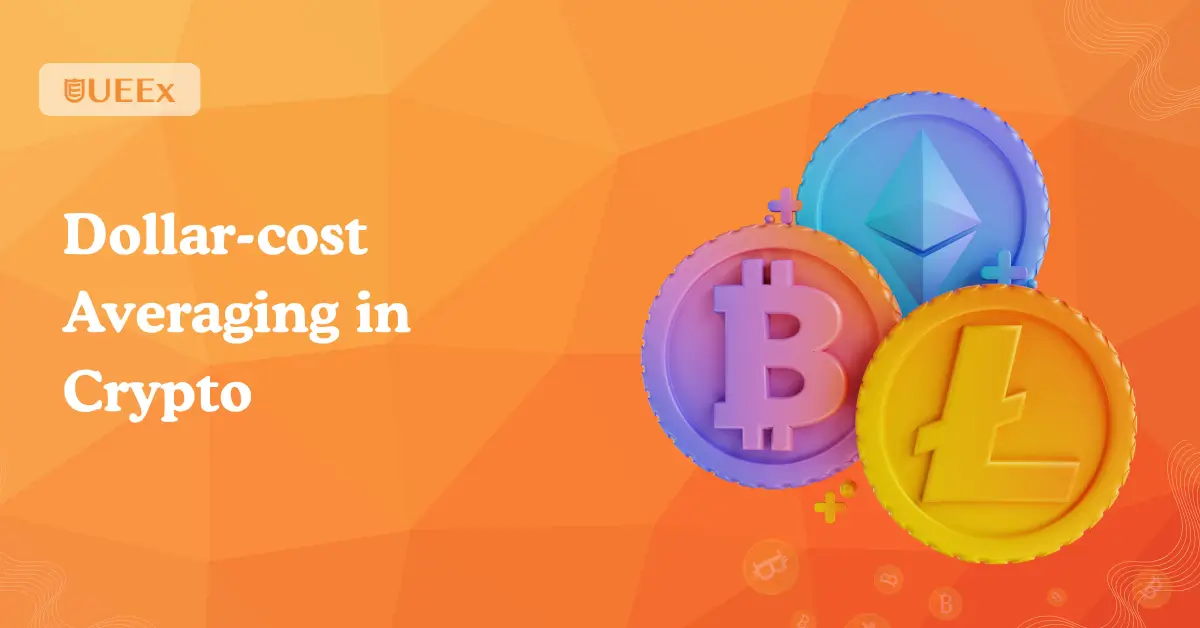
Dollar-cost averaging in crypto (DCA) removes the guessing, you invest a fixed amount at regular intervals, whatever the price.
A Kraken survey found 59.13% of crypto investors use DCA as their primary strategy. This guide covers how DCA works, when it beats lump sum, its risks, and how to start.
Read also: Crypto Scams: The SHIELD Guide to Spotting and Avoiding Every Fraud Type.
What Is Dollar-Cost Averaging in Crypto?
DCA is one simple rule: invest the same amount at regular intervals, no matter what the price is doing.
Put $100 into Bitcoin every Monday and this happens automatically:
- Price drops: your $100 buys more coins.
- Price rises: your $100 buys fewer coins.
- Over time: your average cost evens out.
You never have to ask, Is now the right time?
The Math
Average cost = total invested ÷ total coins bought
Here is $600 invested over six months, $100 at a time:
| Month | BTC Price | Coins Bought |
|---|---|---|
| 1 | $60,000 | 0.00167 |
| 2 | $90,000 | 0.00111 |
| 3 | $95,000 | 0.00105 |
| 4 | $85,000 | 0.00118 |
| 5 | $65,000 | 0.00154 |
| 6 | $75,000 | 0.00133 |
Total: 0.00788 BTC for $600, an average cost of about $76,000 per coin.
The simple average of those six prices is $78,333. DCA beat it because you bought more coins in the cheap months (1 and 5) and fewer in the expensive ones (2 and 3). No prediction was needed.
Why DCA Works So Well in Crypto
- Big swings help. Bitcoin often moves 30-50% in a few months. After a 30% drop, the same $100 buys about 40% more coins.
- It beats FOMO and panic. You buy the same amount whether the price just spiked or crashed.
- The market never closes. Crypto trades 24/7, and automation means you don’t have to watch it.
- Start small. Most exchanges let you begin with $10-$20 per purchase and buy fractions of a coin.
- It’s hard to time. In early 2025, many analysts expected Bitcoin to slide toward $65,000. It hit a new high above $109,000 instead. Investors waiting for that dip missed the move.
Read also: How to Avoid Slippage in Crypto Trading (Strategies That Actually Work).
DCA vs. Lump Sum: Which Wins?
In a strong bull run, lump sum wins. Put $10,000 into Bitcoin in early 2020 and you caught the whole 2020-2021 rally. Spreading it monthly meant buying at rising prices.
Near a market peak, DCA wins. Invest a lump sum at the November 2021 peak of about $69,000 and the 2022 bear market, which took Bitcoin below $16,000, hit hard. Spread over 12 months, you buy through the crash at lower average prices.
The verdict: Lump sum wins on paper if you time it right. If you worry you’re buying near a top, which is fair given Bitcoin’s 2026 swings, DCA gives you protection with less stress.
The Risks of DCA
1. You give up some upside. In a steady bull market, money held back buys at higher prices later. That’s the price of not guessing the best entry.
2. Fees add up. Some exchanges charge 1-2% per transaction, and others offer fee-free recurring buys. Watch for bid-ask spreads and withdrawal fees too.
Compare each platform’s recurring-buy fees, not just its headline trading fee.
3. You must stick with it. DCA only works if you keep buying when your portfolio is down 50%. Commit only what you could keep investing through a full year of bad headlines.
4. It can’t fix a bad asset. Many tokens from past cycles fell 90% and never recovered. DCA into a coin that goes to zero just loses money more slowly. Stick to established assets like Bitcoin and Ethereum, and read our guide on Crypto Risk Management Techniques first.
5. Platform risk. Your coins sit on the exchange until you withdraw them. The 2022 FTX collapse locked out investors who had been accumulating for months. Choose exchanges with a long track record and proof-of-reserves reporting.
6. Taxes get messier. Every purchase has its own price and date, and that determines your gain or loss when you sell. Crypto tax software can import your exchange history automatically. See our Crypto Tax guide for details.
How to Start DCA in Crypto (7 Steps)
Setup takes about 15 minutes.
1. Pick your asset. Most investors stick to Bitcoin and Ethereum for their long track records and deep markets. Some split 75% Bitcoin and 25% Ethereum. Buy what you understand, not what’s trending this week.
2. Choose your platform. Compare:
- Recurring-buy fees
- Minimum purchase size
- Fractional buying
- Withdrawal options
- Security record and proof of reserves
3. Set your amount. Treat it like a bill: a fixed percentage of each paycheck. A smaller amount you keep up for three years beats a bigger one you drop after three months.
4. Choose your frequency. Weekly spreads your entries across mor
e prices. Monthly is simpler and cuts per-transaction fees. When in doubt, match your pay schedule.
5. Consider a hybrid.
- Lump sum + DCA: invest part now and DCA the rest over 6-12 months.
- Volatility-weighted DCA: raise your contribution modestly during sharp pullbacks (say 20% from a recent high).
6. Automate it. A manual click is still a decision point where fear or excitement creeps in. Set a recurring buy and leave it alone.
7. Track and review. Log every purchase for taxes from day one. Review your plan quarterly to confirm it fits your budget, but don’t change it every time the market moves.
Once your holdings grow, move some coins to a wallet you control.
Read also: Beyond the Hype: Why Is Bitcoin So Expensive?
Frequently Asked Questions
Is dollar-cost averaging good for Bitcoin in 2026?
For most investors, yes. Bitcoin has swung from above $93,000 to the low $60,000s and back to about $77,000 within a year. DCA lets you build a position across the whole range instead of betting on one day.
How much do I need to start DCA in crypto?
As little as $10-$20 per purchase on most major exchanges, including UEEx, with no account minimum.
Is DCA better than buying the dip?
They aren’t opposites. DCA is the base strategy. Some investors add extra buys during sharp drops, but that takes more attention and isn’t required.
Weekly or monthly DCA?
Both work. Weekly smooths your entries slightly. Monthly is simpler and can reduce fees. Pick the one you’ll keep up.
Read also: Best Crypto Cards With Apple Pay and Google Pay Support.
Conclusion
Investors who built real positions in Bitcoin didn’t catch the bottom, they just never stopped buying. Dollar-cost averaging in crypto doesn’t reward the sharpest analyst in the room.
It rewards the most consistent one, the person still buying on a Tuesday in November when the charts look terrible and every headline says to wait.
That person rarely makes the news, but they usually make the money.